Vino Culture Wine Shop 130 Granby St, Suite 100
Wine Bar
Closed11AM - 8PM
Wine
Vino Culture Featured Picks
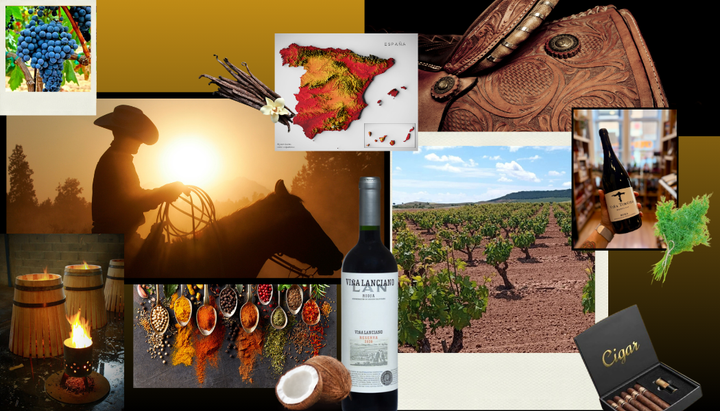
"Six Dates with a Cowboy" 6-Pack Special!
Normal Price: $145 YOUR Price: $120 "Valdemoreda" Mulberry Creek Tinto 2022: Spain $15 Piratas del Ebro "Chatxo" 2023: Rioja Alavesa, Spain. $25 Conde Valdemar "Viña Torcida" Reserva 2020: Rioja, Spain $20 Bodegas Aragonesas "Crucillón" Tinto 2024: Campo de Borja, Spain $15 Bodegas LAN "Viña Lanciano" Reserva 2020: Rioja, Spain $40 Conde Valdemar Reserva 2018: Rioja, Spain $35$120.00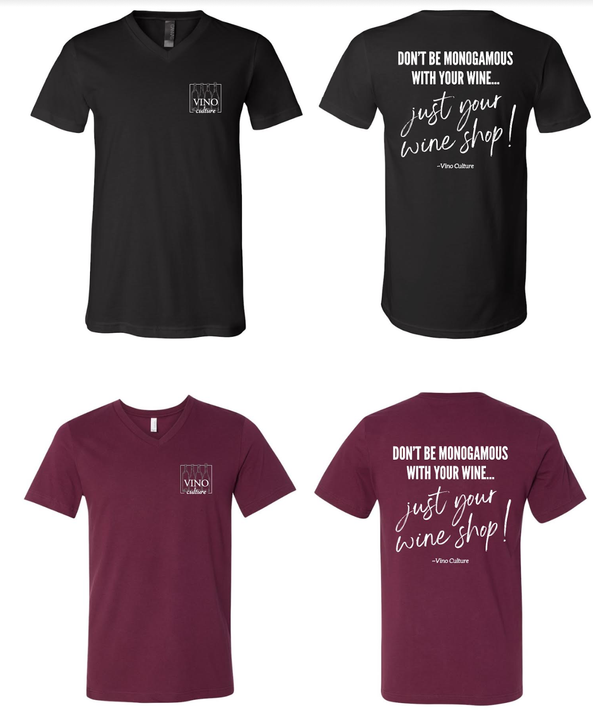
Vino Culture T-Shirt
Sizes: S, M, L, XL, 2XL Colors: Black & Burgundy$25.00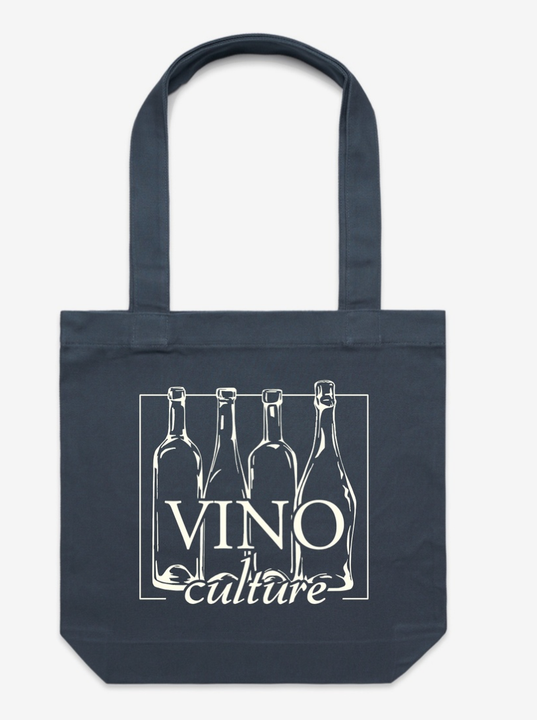
Vino Culture Tote Bag
One size$25.00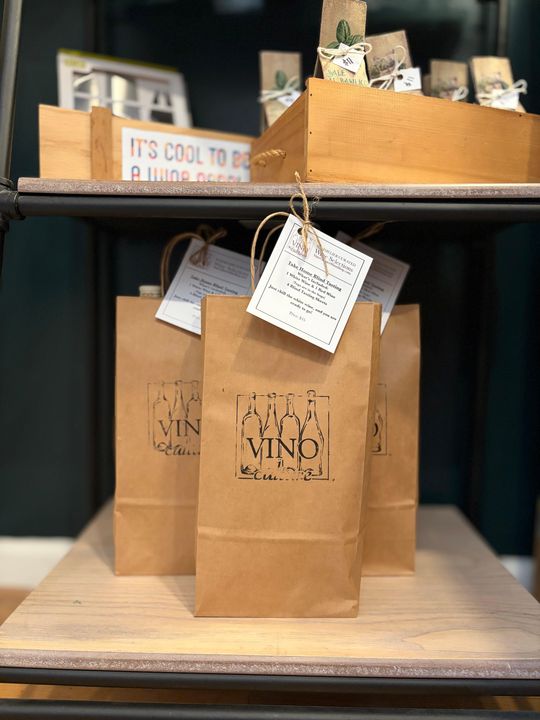
Take Home Blind Tasting!
$45.00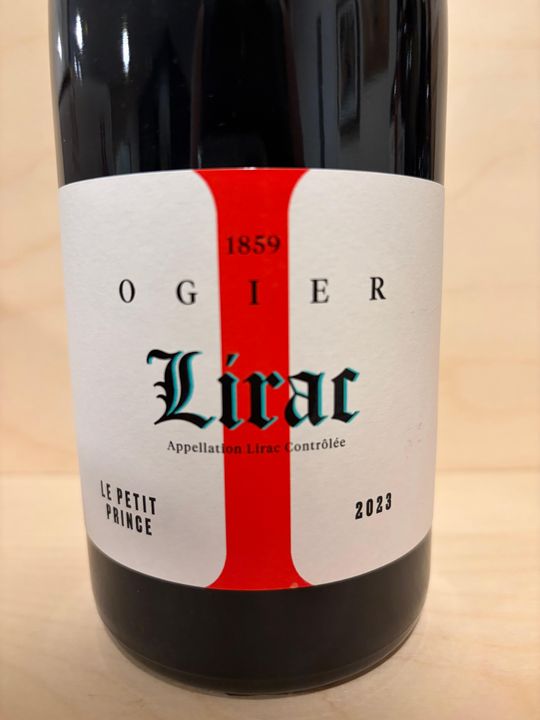
Maison Ogier Lirac "Le Petit Prince" 2023: Lirac, Southern Rhône Valley, France
Grapes: Grenache/Syrah/Cinsault Region/History Notes: Lirac lies on the west bank of the Rhône River directly across from Châteauneuf-du-Pape, sharing the same sun-soaked terraces, galets roulés stones, and Mediterranean climate that define Southern Rhône reds. Maison Ogier, a historic Rhône Valley négociant founded in 1859, sources fruit from trusted growers across the appellation. Grenache leads the blend, supported by Syrah and Cinsault, creating a wine with classic Rhône fruit, spice, and structure that remains approachable. Tasting Notes: Juicy black cherry and ripe raspberry lead into savory notes of cracked pepper, dried thyme, and baking spice. The palate is warm and generous with velvety tannins and a round texture, finishing with plum, blackberry compote, and hints of leather and garrigue. Great with grilled lamb, herb-roasted chicken, ratatouille, or sausage pizza.$28.00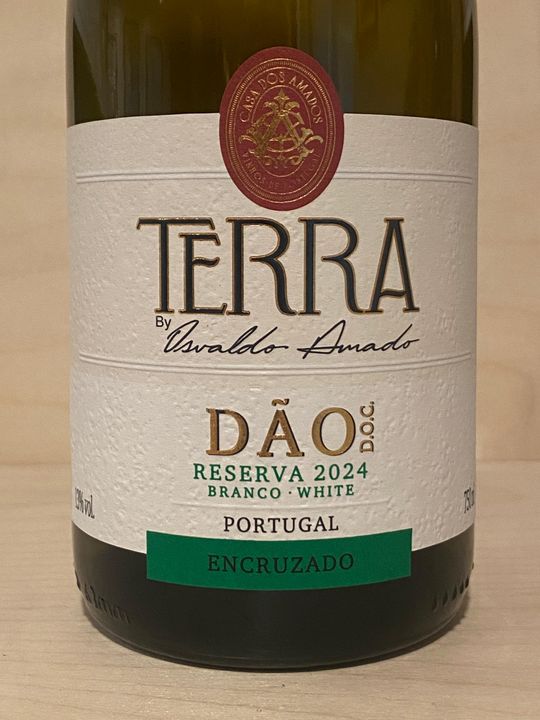
Casa dos Amados "Terra" Branco Reserva 2024: Dão, Portugal
Grape: Encruzado Region/History Notes: If Touriga Nacional is one of Dão’s great red grapes, Encruzado is its white counterpart, a native variety prized for its ability to combine richness, freshness and serious aging potential. In the hands of Osvaldo Amado, one of our absolute favorite Portuguese winemakers, it gets a little extra texture without losing that freshness. This 100% Encruzado is gently pressed and fermented cool at 15°C, with a portion aged on fine lees in stainless steel and another portion in barrel for three months. Tasting Notes: Loads of wild yellow farm apples, nectarines, crunchy pears, yellow melon and even some wild yellow flowers and hay. This wine is like a liquid version of apple picking, with fields and mountains all around. More tropical fruit comes out as the wine opens. And while the wine has some richness, there is a distinct levity to the finish, keeping it distinctly vibrant. Pair with marinated pork tenderloin and let this be your apple chutney!$22.00
Red Wine
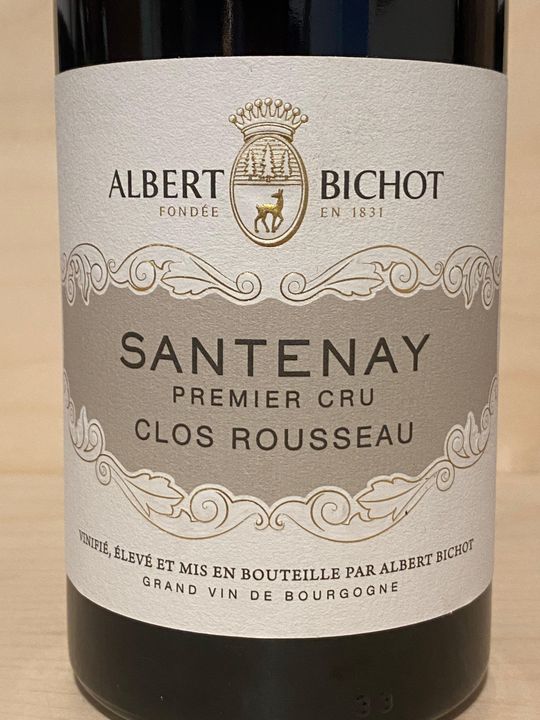
Albert Bichot Santenay 1er Cru "Clos Rousseau" 2022: Burgundy, France
$75.00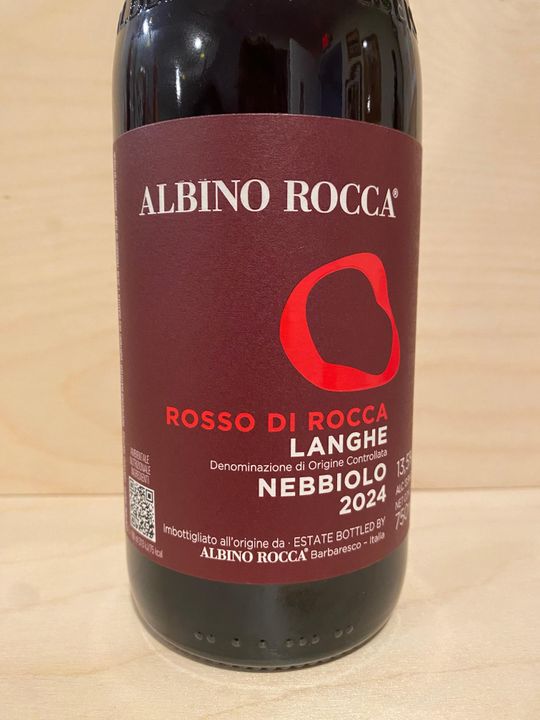
Albino Rocca "Rosso di Rocca" Langhe Nebbiolo 2024: Piedmont, Italy
Grapes: Nebbiolo/Cabernet Franc Region/History Notes: This is Nebbiolo with a splash of Cabernet Franc. Inspired by the purchase of new vineyards in 2016, Albino Rocca created this wine to showcase a more intensely aromatic Nebbiolo with brighter, fresher fruit. The estate traces its roots to the mid 1940s, when Giacomo Rocca began selling grapes from the family's vineyards before producing wine under the family label. Additional vineyard inheritances in the 1960s helped establish Albino Rocca as one of Barbaresco's benchmark producers. Tasting Notes: A touch reductive at first, but a little air quickly reveals fresh black cherries, woodsy vetiver or Palo Santo, and cured salami on the nose. The palate is bright and tart with more black cherry, crushed violets, and supple tannins that make this an easy pairing with sweet soppressata and Pecorino cheese.$32.00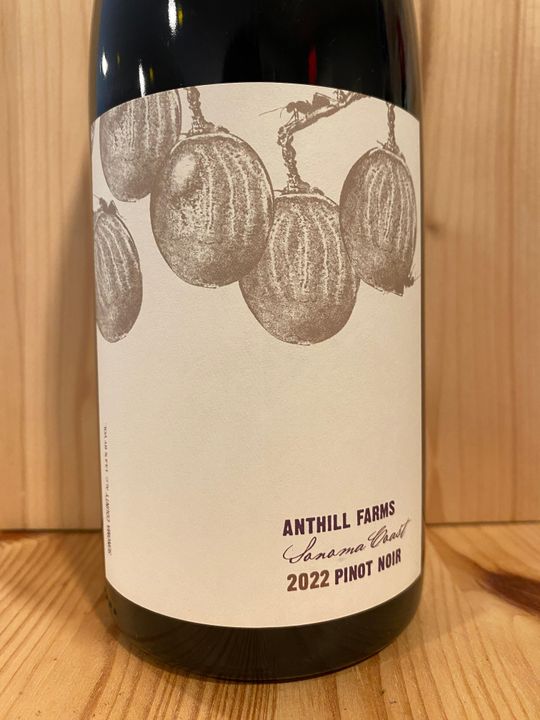
Anthill Farms Sonoma Coast Pinot Noir 2023: Sonoma, California
Grape: Pinot Noir Region/History Notes: Anthill Farms began in 2003 as the three co-owners decided to join forces and explore their own style after meeting while working at Williams-Selyem together. They have a passion for terroir-driven wines like none other! Most of their wines explore single vineyard expressions of Pinot Noir, and every now and then a Syrah and Chardonnay. This particular label is a blend of three different vineyard sites, so it allows for a more affordable entry into their top tier wines. But this sings like a wine twice its price! Tasting Notes: Strawberries, cherries, raspberries all crushed together and hanging out in a cigar box with some mushroom dust and potpourri sprinkled on top—that’s what this wine tastes like!! Gorgeous wine that always tastes better on day 2, but I rarely can make the bottle last that long, so maybe throw it in a decanter for an hour to let it open. Pair with salmon, duck, mushroom risotto, or just sip and savor!$54.00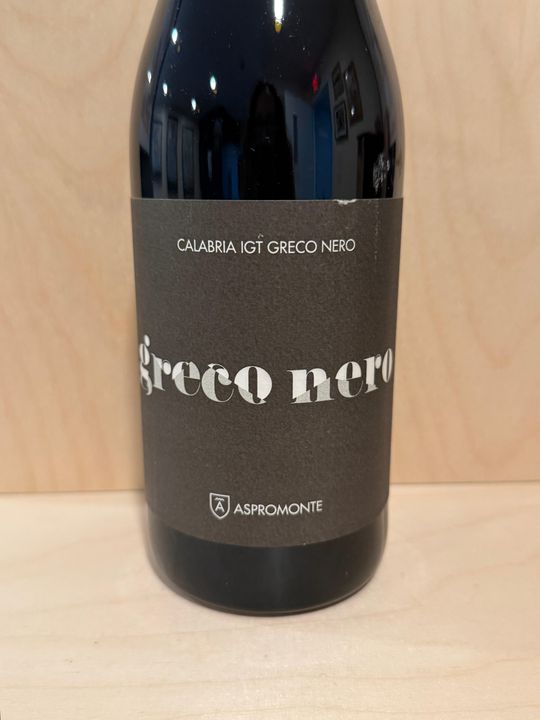
Aspromonte Greco Nero 2022: Calabria, Italy
OUT OF STOCK$40.00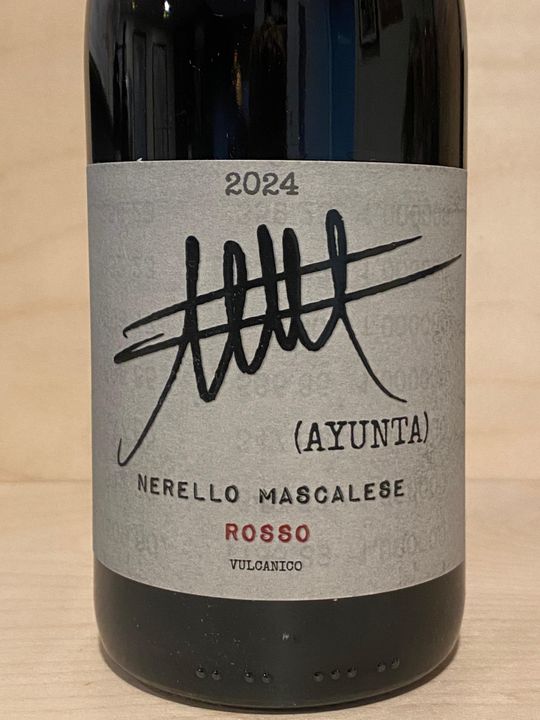
Ayunta Nerello Mascalese 2024: Sicily, Italy
$33.00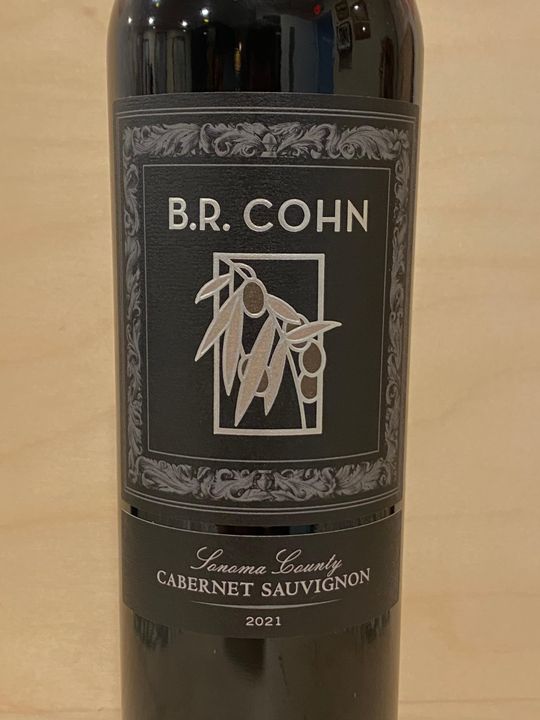
B.R. Cohn Cabernet Sauvignon 2021: Sonoma, California
Grapes: Cabernet Sauvignon/Merlot/ Malbec/Petit Verdot Region/History Notes:In 1968, Bruce Cohn began managing The Doobie Brothers, a career that eventually led him to purchase the Olive Hill Lane Vineyard in Sonoma County. That decision paved the way for more than four decades of exceptional winemaking and inspired the winery's Charity Concert Series, which has raised millions of dollars for local charities. The 2021 vintage is a blend of 92% Cabernet Sauvignon, 5% Merlot, 2% Malbec, and 1% Petit Verdot. Fermentation took place in temperature-controlled stainless steel tanks before the wine underwent full malolactic fermentation and aged for 22 months in French oak barrels. Tasting Notes: A beautiful balance of fruit and savory aromas with dark cherry cordial, roasted oyster mushrooms, and brisket rubbed with cracked white pepper. The palate is bright and juicy with lightly resinous tannins that add texture and structure, making it a perfect match for just about any cut of steak!$44.00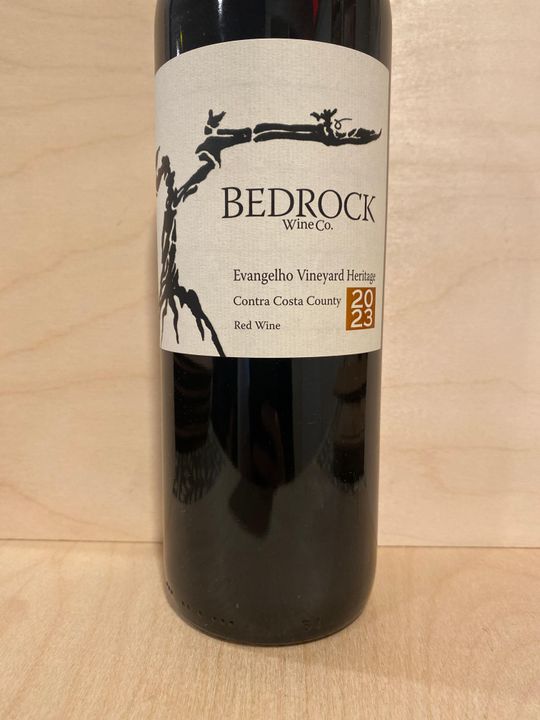
Bedrock Wine Co. Evangelho Vineyard Heritage 2023: Contra Costa County, California
Grapes: Zinfandel/Mourvèdre/Carignan/Alicante Bouschet/Grand Noir/Palomino/Clairette Old-vine drama meets beach-sand poise. Evangelho Vineyard lies on forty-plus feet of Delhi-series sand beside the Sacramento–San Joaquin Delta, where 1890s, own-rooted vines thrive thanks to phylloxera-averse soils and daily maritime winds. Warm, sun-splashed days are softened by fog and Delta breezes, keeping acids lively and tannins fine while naturally limiting yields. Bedrock’s 2023 Evangelho Heritage—led by Zinfandel with Mourvèdre plus field-blend companions like Carignan and Alicante Bouschet—leans beautifully red-toned and lifted. Aromas of cherry, pomegranate and blood orange meet fennel, lavender and a savory nori/iodine snap. On the palate, fruit glides over sandy-fine tannins, with low-pH brightness born of night cooling and free-draining soils, carrying to a long, pepper-laced finish. Decant briefly and pair with lamb kofta.$58.00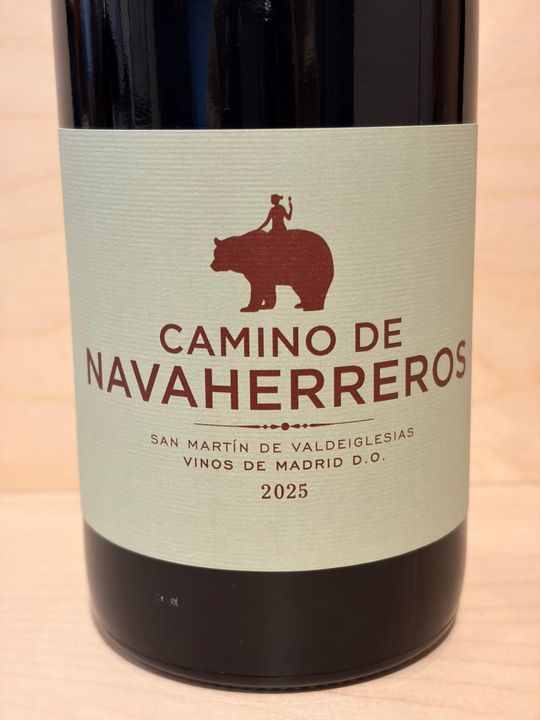
Bernabeleva Camino de Navaherreros 2025: Vinos de Madrid, Spain
Grape: Garnacha Region/History Notes: A fresh, light-bodied Garnacha from the foothills of the Sierra de Gredos near Madrid. Bernabeleva’s high-elevation vineyards, granite and schist soils, wide day-night temperature swings, and biodynamic farming practices contribute to the wine’s distinctive character. Made from old-vine Garnacha and briefly aged in large neutral wooden vats, it emphasizes purity and site expression. Tasting Notes: Bright red fruit leads the way, with aromas and flavors of wild strawberry, dried cherry, fresh herbs, and wildflowers. Lively acidity and an energetic texture keep the wine light, lifted, and highly drinkable. More elegant and herbal than the richer styles of Priorat, this Garnacha showcases the grape’s versatility and finesse. Serve slightly chilled alongside pulled pork or grilled chicken.OUT OF STOCK$32.00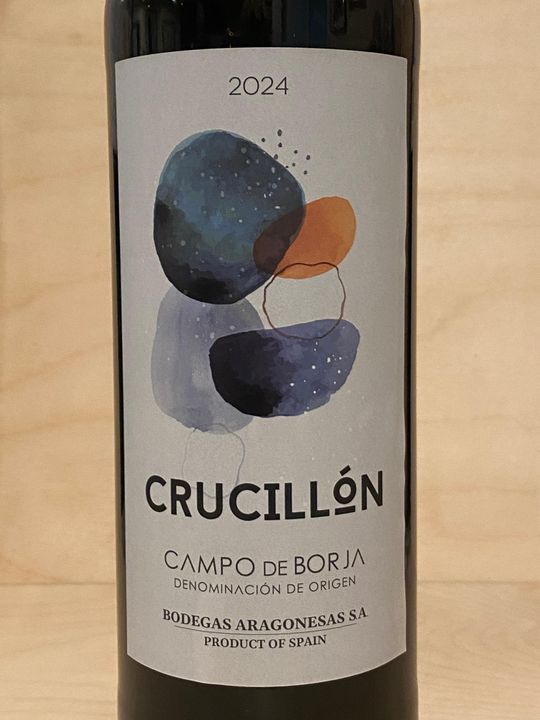
Bod. Aragonesas "Crucillón" Tinto 2024: Campo de Borja, Spain
Grapes: Garnacha/Tempranillo Region/History Notes: Located in northeastern Spain, Campo de Borja is known as the “Empire of Garnacha,” thanks to its long-standing love affair with this iconic grape. Just south of the Ebro River, the region experiences hot, dry summers, cold winters, and occasional late spring frosts and hail. This wine blends 50% Garnacha and 50% Tempranillo for a delightful balance of generous fruit, warmth, structure, and savory charm. Tasting Notes: Juicy black cherries, strawberry candy, and hints of black pepper lead the way. Bright, zippy acidity and fresh tannins keep things lively and inviting. Vibrant, fruit-forward, and wonderfully easy-drinking, this crowd-pleaser is a natural match for lamb burgers or your next favorite fall porch pour!$15.00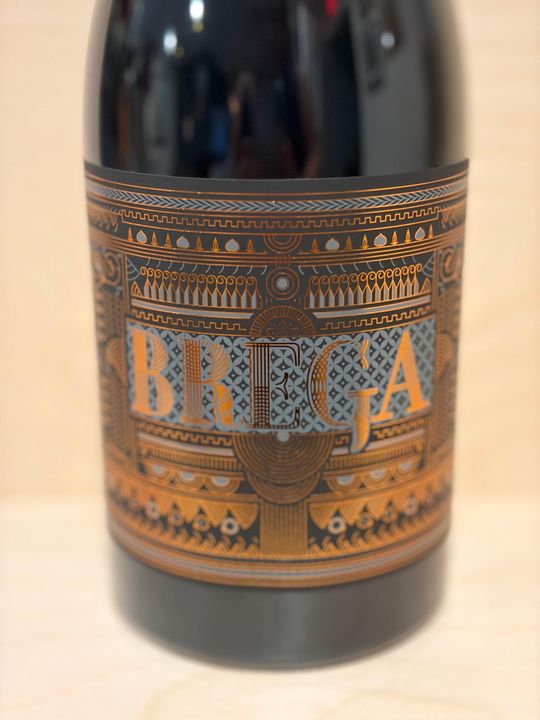
Bod. Breca "Brega" 2021: Calatayud, Spain
Grape: Garnacha Region/History Notes: Brega is Bodegas Breca’s top cuvée, 100% Garnacha de Aragón from two tiny mountain vineyards in Calatayud’s Sierra de Pardos, planted in 1911 and 1918. Sitting around 3,300 feet elevation, these are among the highest vineyards in the valley with old, head-trained vines rooted in ancient slate and quartz soils. The 2021 was hand-harvested, fermented in open-top stainless steel, then aged 20 months in French oak puncheons and demi-muids, 50% new. Tasting Notes: Deep, rich and brooding, with roasted herbs, dried fruit, cedar, star anise, cardamom, black pepper and leather. Quite a different experience of Garnacha. It’s almost as if you could roast violets with red plums and dried strawberries sprinkled with peppercorn, and drink it in a forest. Full-bodied and chewy without being rustic, this is one to sip slowly and savor. I’d love it with smoky brisket and roasted sweet potatoes topped with fresh rosemary, or by the fireplace with dark chocolate.OUT OF STOCK$58.00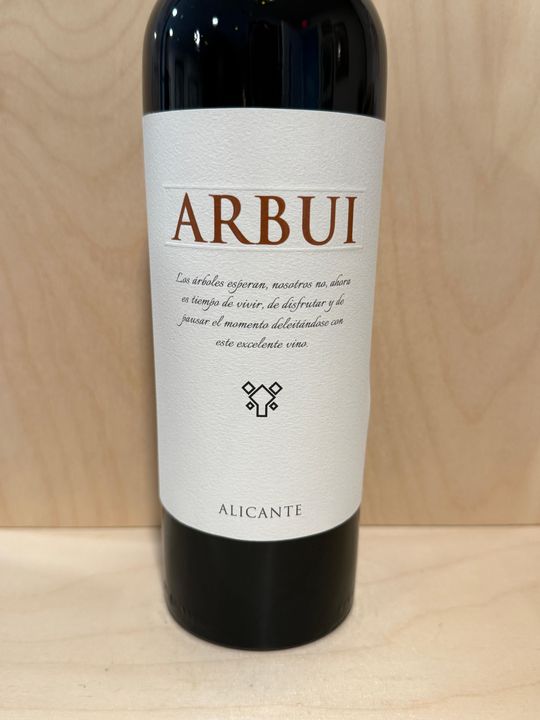
Bodegas Alejandro "Arbui" Monastrell 2023: Alicante, Spain
Grape: Monastrell Monastrell is just so juicy, powerful and seductive! Roasted currants, roasted strawberries, roasted plums: this wine is basically roasted red and black fruit in a glass. Then comes black, white and pink peppercorn, a little balsamic tang and Madagascar vanilla bean. It’s a powerhouse, but somehow still completely friendly and approachable. Arbui is 100% Monastrell from low-yielding, traditionally head-trained vineyards in Alicante, where hot, dry Mediterranean summers are basically Monastrell’s happy place. The grape thrives in this kind of heat, building serious ripeness and concentration while these sustainably farmed, unirrigated vines dig into the dry soils. About a year in French oak gives all that fruit some structure, and the result is full-bodied, chewy and wonderfully generous without becoming a wine you have to wrestle with. This is such a great demonstration of quality Alicante Monastrell. Save it for those brisk nights by the fireside!$38.00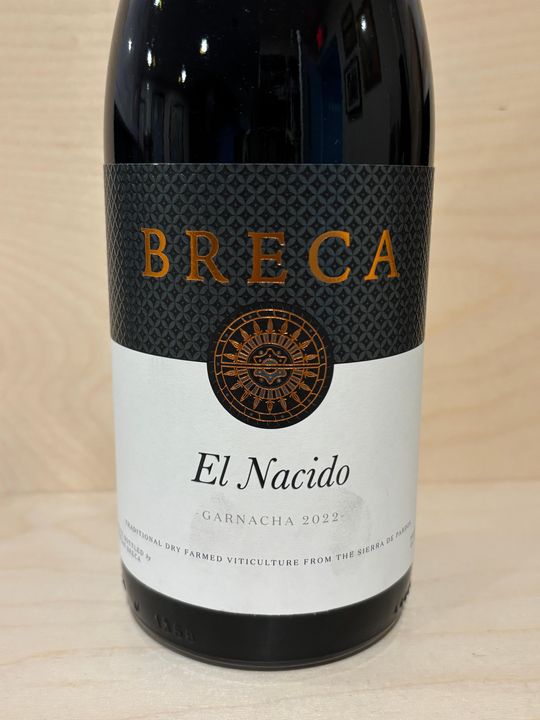
Bodegas Breca "El Nacido" Garnacha 2022: Calatayud, Spain
Grape: Garnacha Region/History Notes: Founded by Jorge Ordóñez, Bodegas Breca focuses on producing exceptional Garnacha de Aragón from 45–65-year-old vines in Spain’s rugged interior. These old vines yield small, intensely flavored berries, while the dry continental climate adds structure, depth, and a distinctive mineral backbone. Tasting notes: Roasted strawberries, Luxardo cherries, spice, and herbs. Bold and concentrated yet surprisingly approachable, this fuller-bodied wine delivers a long finish without feeling overly heavy. A versatile pairing for dishes ranging from herb-roasted chicken to lamb.OUT OF STOCK$22.00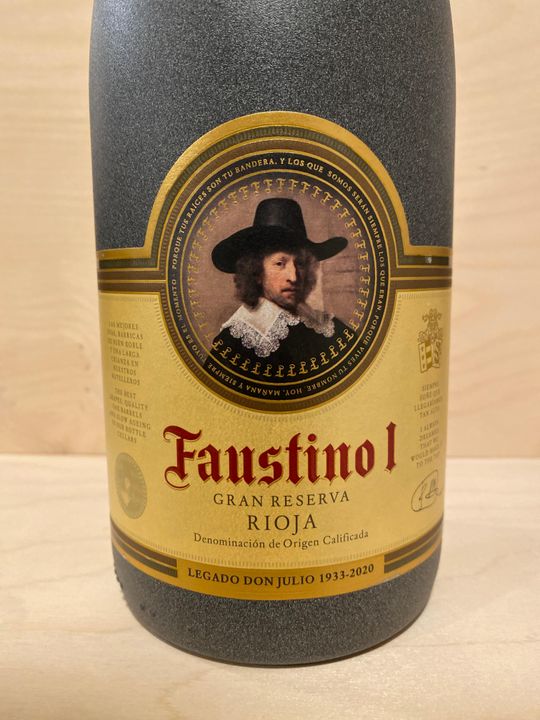
Bodegas Faustino "Faustino I" Gran Reserva 2011: Rioja, Spain 1.5L Magnum Bottle
Grapes: Tempranillo/Graciano/Mazuelo Region/History Notes: Faustino is one of Rioja’s historic estates, known for long aging and classical elegance. The 2011 Gran Reserva follows the traditional path: mostly Tempranillo from estate vineyards in Rioja Alavesa, aged extensively in a mix of American and French oak, and then rested in bottle until the winery felt it was ready. Gran Reserva rules require a minimum of 5 years aging, but Faustino routinely exceeds that, offering wines that showcase Rioja’s signature balance of savory complexity, mellow tannins, and graceful evolution. Tasting Notes: Silky and mature, the 2011 opens with dried cherry, red plum, leather, cedar, and warm baking spice. Notes of tobacco leaf, balsamic, and roasted herbs deepen as the wine breathes. The tannins are integrated and fine, giving the wine a long, elegant finish without heaviness. Pour with lamb chops, mushroom paella, Manchego, or anything featuring roasted herbs!$77.00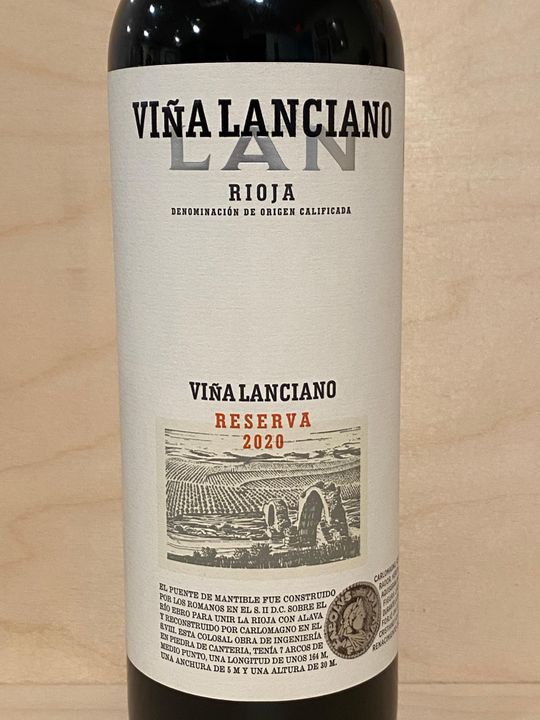
Bodegas Lan "Viña Lanciano" Reserva 2020: Rioja, Spain
Grapes: Tempranillo/Graciano/Mazuelo Region/History Notes: Bodegas LAN takes its name from the three provinces of Rioja, forming an acronym from Logroño, Álava, and Navarra. The wine is fermented in stainless steel with extended post-fermentation maceration and daily pump overs to maximize color, flavor, and tannin extraction. Its élevage sets it apart, aging primarily in French oak with the addition of uncommon Russian oak rather than the traditional American oak more often associated with Rioja, adding another layer of complexity. Tasting Notes: A dark, spicy nose of cigar box, baked blackberries, figs, vanilla bean, and warm baking spices. The palate is big, bold, and spicy, with rich dark fruit giving way to dried fruit through the mid palate. Fresh acidity on the finish keeps the wine balanced and lively. Pair with a grilled New York strip and a loaded baked potato.$40.00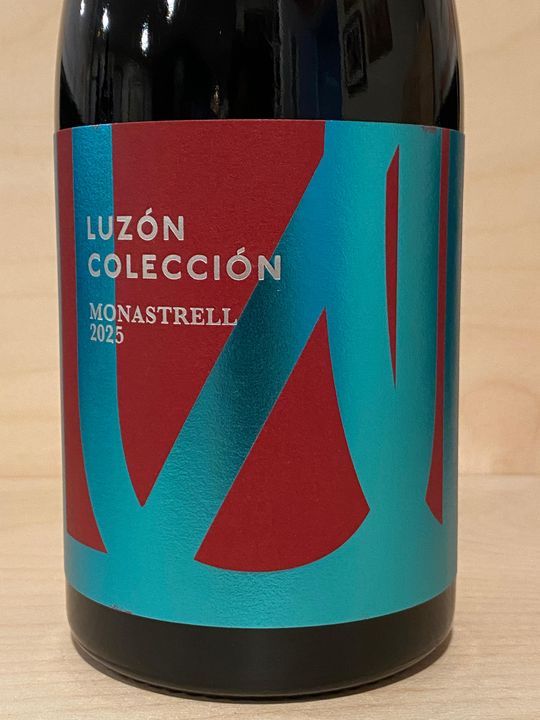
Bodegas Luzón "Colección" Monastrell 2025: Jumilla, Spain
Grape: Monsatrell Monastrell has thrived in southeastern Spain for centuries, and few places showcase it better than Jumilla. Perched over 2,000 feet above sea level, this hot, dry region receives little rainfall, forcing vines to dig deep into limestone-rich soils. The resulting low yields produce intensely concentrated fruit, while dramatic day-to-night temperature swings preserve freshness and balance, giving Monastrell remarkable energy despite its richness. Juicy blackberry, black cherry, ripe plum, violets, cracked black pepper, Mediterranean herbs, and a touch of cocoa unfold with every sip. Polished tannins and bright acidity keep the palate lively from start to finish. Equally suited for easy weeknight sipping or the dinner table, it's a perfect match for grilled burgers, sausages, smoked pork, grilled vegetables, Manchego cheese, or your favorite pizza. Everyday Spanish red at its finest.$22.00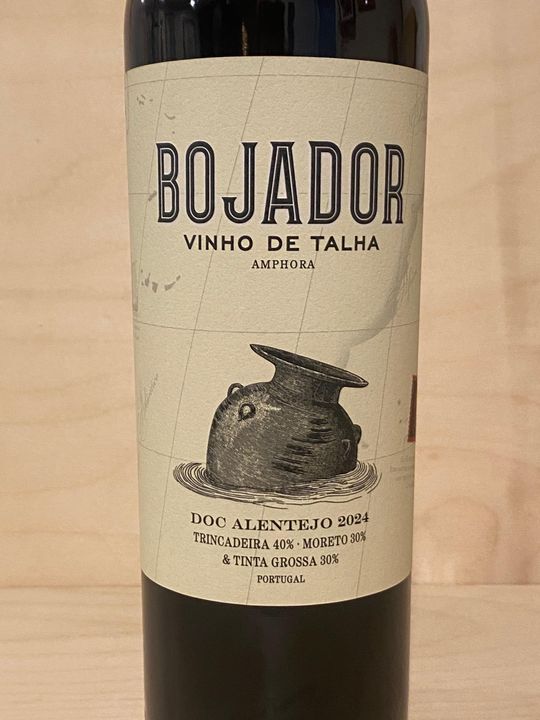
Bojador Vinho de Talha Tinto 2024: Alentejo, Portugal
Grapes: Trincadeira/Moreto/Tinta Grossa Named after the Cape Bojador off the western Sahara—once a daring milestone for 15th-century Portuguese navigators—this label is all about channeling history and tradition through the lens of winemaking. “Vinho de Talha” is the first official classification for wines made in amphorae—the clay vessels used thousands of years ago for fermentation, storage, and transport. Making a major comeback thanks to their ability to allow micro-oxygenation and promote a natural, constant flow during storage, amphorae are now at the heart of winemaking in Alentejo. Fresh and tart red fruits are the first thing you’ll notice in the wine- think Bing cherries and red plums. But as you dive further you’ll taste an earthy quality to the wine that grounds the palate along with dried herbs and a smoky undertone that provide further depth. I love this wine with a slight chill to make the fruit pop even more. Serve with portabella mushroom burgers!$31.00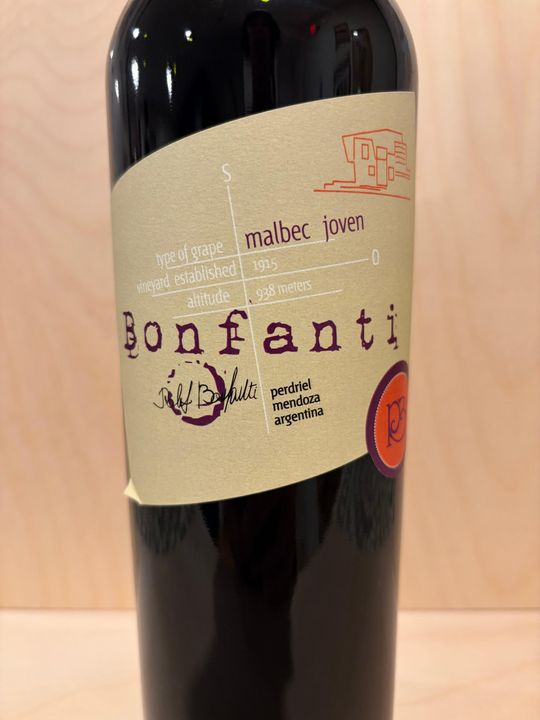
Bonfanti Malbec 2024: Mendoza, Argnetina
Grape: Malbec Region/History Notes: Just south of Mendoza lies Perdriel, a high-altitude subregion known for both young plantings and old, own-rooted vines. Sheltered by the Andes Mountains rain shadow, the semi-arid climate and 938-meter elevation deliver intense daytime sun balanced by cool nights, preserving freshness through dramatic diurnal shifts. Bonfanti was founded in 1915 and remains family-run today, with everything from harvest to bottling done by hand. Tasting Notes: Super-juicy aromas of blueberry and blackberry compote layered with dried blood orange, sage, and fresh biscuit dough. The palate stays vibrant with snappy acidity, fresh fruit, and perfectly textured tannins, ideal for steak tacos with sautéed mushrooms, onions, and peppers.OUT OF STOCK$23.00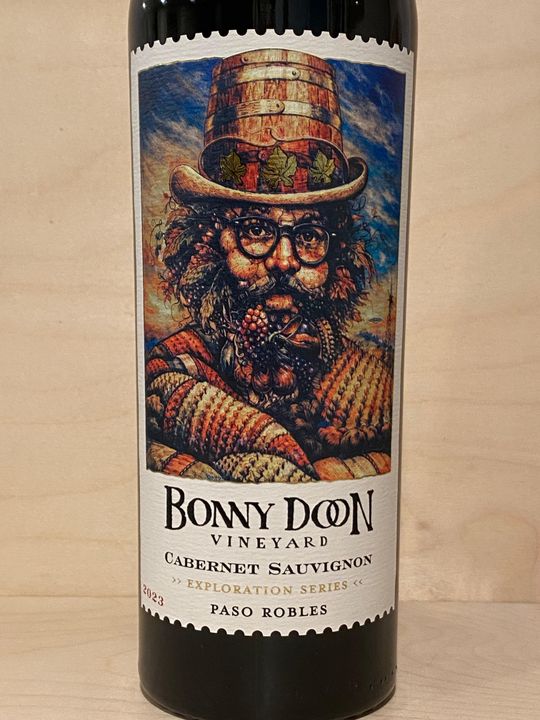
Bonny Doon "Exploration Series" Cabernet Sauvignon 2023: Paso Robles, California
Grapes: 95% Cabernet Sauvignon, 5% Syrah Hello black plums and chocolate-covered cherries. Nice to meet you! This wine is supple and round with generous fruit, yet still authentically structured. Black plum and cherry take center stage, followed by vanilla bean, black pepper and leather on the smooth finish. Hints of eucalyptus and mint add freshness, while a slightly peppery, savory edge gives you a little glimpse of that 5% Syrah hiding in the blend. Best of all, this Cab is a pop and pour. Put some of your favorite cheese on the table, make a plate of steak bites, or just pour yourself a glass and drink it all by itself. Because you can do that with this Cab!OUT OF STOCK$22.00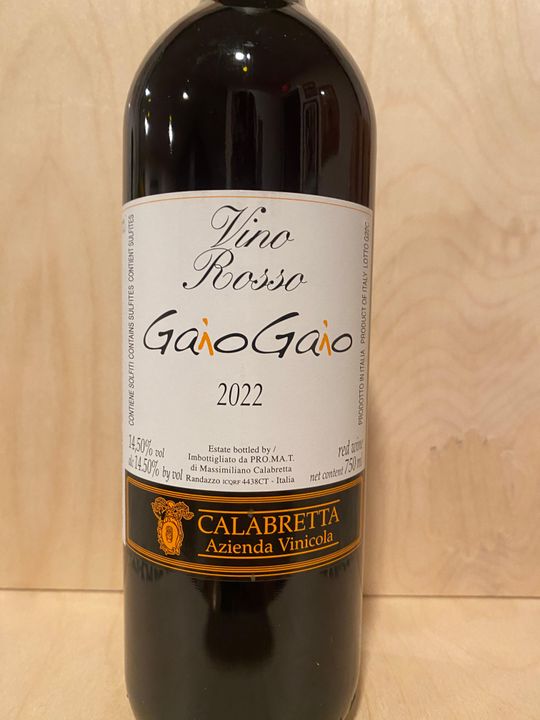
Calabretta "Gaio Gaio" Vino Rosso 2022: Sicily, Italy
Grapes: Nerello Mascalese/Nerrello Cappuccio Region/History Notes: Fourth-generation winemaker Massimiliano Calabretta named this wine in honor of his father, Massimo, whose nickname is “Gaio,” meaning “joy” in Italian. Primarily Nerello Mascalese with a touch of Nerello Cappuccio, the grapes are organically and biodynamically farmed, with many of the vines trained using the traditional alberello system, meaning “little tree," which is exactly what these vines look like! These free-standing bush vines develop lots of permanent wood, helping the vines conserve moisture and withstand Etna’s strong winds. The grapes are aged in a combination of stainless steel and large oak barrels, resulting in a fresh, vibrant expression of this ancient Sicilian duo. Tasting Notes: The nose is bursting with candied red fruit like cherry and raspberry. Soft, silky tannins lead into flavors of dried cherry, violets, and fresh herbs. Give it a slight chill and pair with Spaghetti Puttanesca!$30.00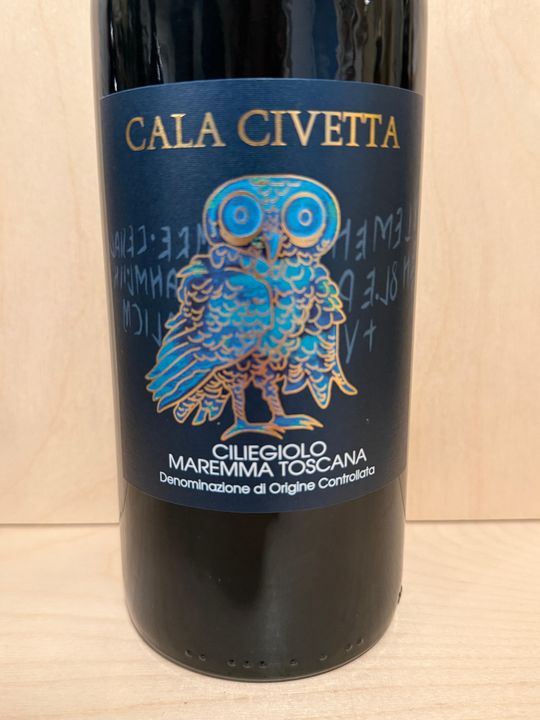
Cantina del Morellino "Cala Civetta" Rosso Ciliegiolo Maremma Toscana 2025: Tuscany, Italy
Grape: Ciliegiolo Region/History Notes: Ciliegiolo, a grape whose name comes from the Italian word for cherry, is thought to be one of Sangiovese’s parents. It’s found through Tuscany, including in the relatively young Maremma Toscana DOC along Tuscany’s Mediterranean coast. Cantina del Morello is a cooperative winery, with grapes sourced from 170 local families, although perfectionist enologist Paolo Caciorgna keeps a personal eye every site. While not all the vineyards these grapes come from certified organic, sustainable farming is a major priority, and many are farmed using organic principles—just without the label. Tasting Notes: True to its name, this wine is bursting with ripe, juicy red and black cherry character, along with purple flowers and herbaceous undertones. Unlike Sangiovese, which can often be grippy and rustic, Ciliegiolo tends to be softer and more approachable. This is an easygoing, fruit-forward red that’d be perfect for pepperoni pizza!$23.00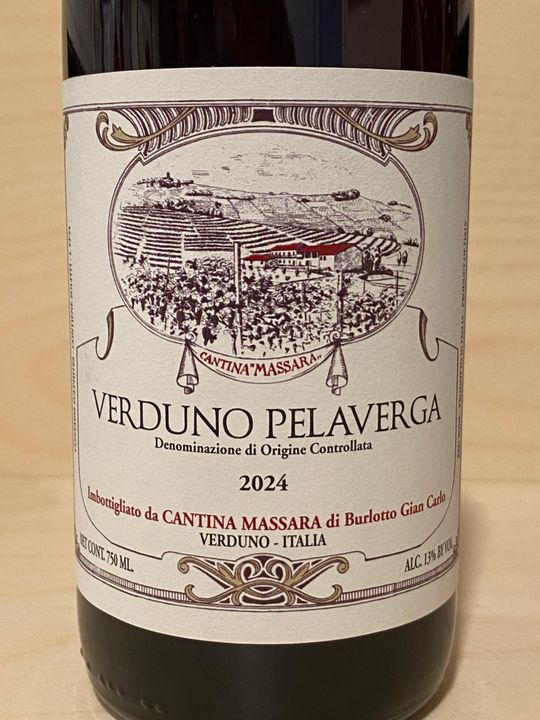
Cantina Massara di Giancarlo Burlotto Verduno Pelaverga 2024: Piedmont, Italy
Grape: Pelaverga Region/History Notes: Verduno is the northernmost Barolo commune and the Verduno Pelaverga DOC is one of the smallest designated growing regions in Europe with only 27 acres of grape vines! Only red wine is permitted in the appellation and at least 85% of the wine must come from the Pelaverga Piccolo grape, which isn’t found anywhere else. Cantina Massara is one of the few producers working with this little-known variety, and their founder, Commendatore G.B. Burlotto, was the only one to produce varietal wine from the grape between the two World Wars and helped ensure its survival! Tasting Notes: Light-bodied and delicate, put a bit of a chill on the bottle before you’re ready to drink. White pepper and dried red flowers are the first aromas out of the glass and soon joined by notes of Rainier cherry, dried orange peel, and raspberry. Fresh and crunchy on the palate with a stony minerality with firm yet well-integrated tannins. Pair with a classic carbonara!$50.00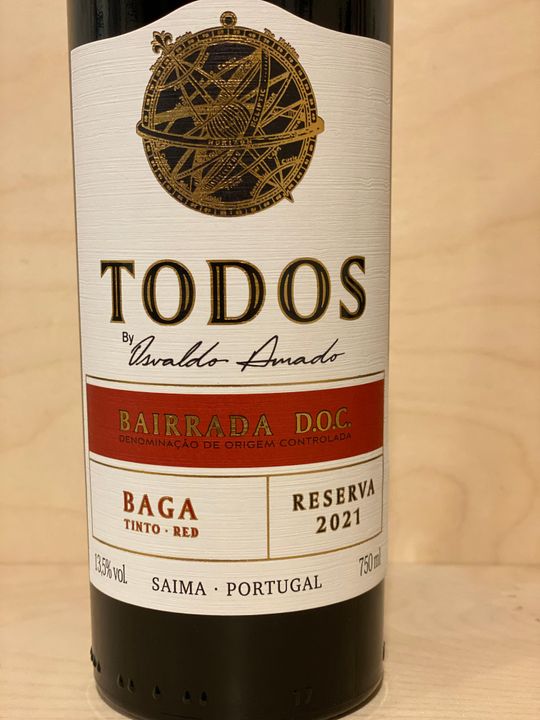
Todos Reserva Tinto 2021: Bairrada, Portugal
Grape: Baga Region/History Notes: Winemaker Osvaldo Amado is on a mission to bring harmony and happiness to the world through his wines. His Todos label shines a spotlight on his two chosen varieties, Baga and Arinto, with the goal of making them universally loved. Baga is a dark-skinned grape with small berries whose name means "berry" or "droplet." It can produce everything from rosés with flirty acidity to deeply structured reds with bold tannins. The grapes for this wine are completely destemmed before fermentation and aged in oak for six months, with 50% new and 50% second-use barrels. Tasting Notes: A beautiful, lush nose of dried roses and burnt honey layered over cherry preserves with mysterious woodsy cologne notes. Tart raspberries lead the palate with a touch of oak that carries into a dry, textured tannin finish. I would love to enjoy this with a pizza topped with Chorizo Navarre, onions, and mushrooms!$25.00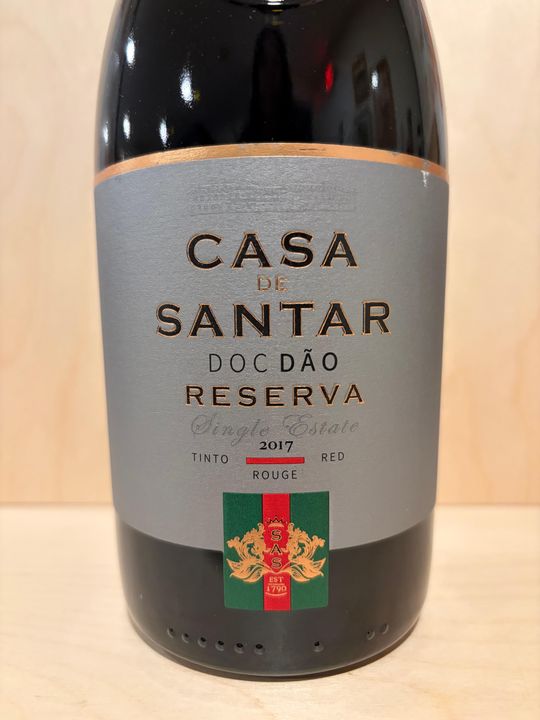
Casa De Santar Vinho Tinto Reserva 2017: Dão, Portugal
Grapes: Touriga Nacional/Arragonez/Alfrocheiro Region/History Notes: The whole world is discovering that the native varieties of Portugal are incredibly heat resistant and resilient in times of drought. That is crucial in today’s world where climate change is wreaking havoc on wine growing regions everywhere. Expect to see much more of these varieties planted across the globe in the next few years. Also, in a selfish way, the prices are so damn good on these wines that I just cannot get enough. Complex and age worth (this is showing amazingly with nine years of age) for under thirty dollars? Count me in! Tasting Notes: Roasted coffee beans and smoked red plums jump out of the glass on first pour. Hints of cocoa powder, black cherry, and violets emerge as it opens. The wine is dense and chewy with a palate that coats your whole mouth and a long lasting finish. Pair with burgers or coffee rubbed steak.$33.00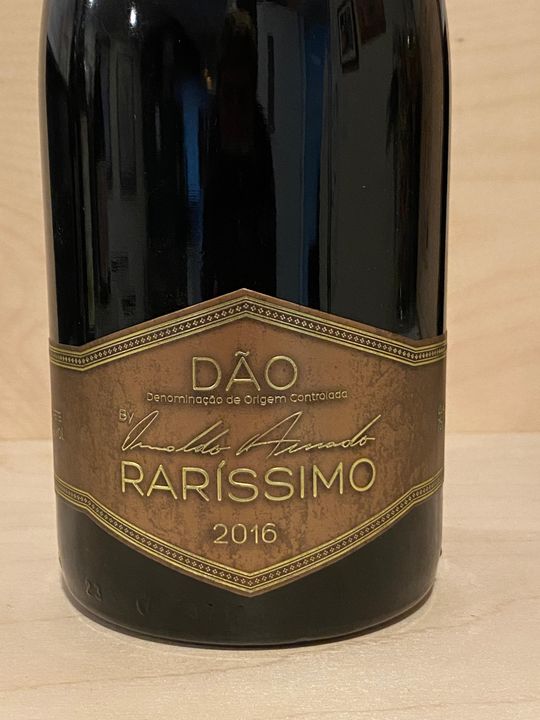
Raríssimo "Clarete" 2016: Dão, Portugal
Grapes: 60% Touriga Nacional, 20% Aragonez, 10% Alfrocheiro, 10% Jaen. Region/History Notes: Patience is central to Osvaldo Amado’s Raríssimo project. This 2016 Clarete matures for 48 months in stainless steel, allowing its fruit, structure, and developing savory character to tell the story without oak. From the mountainous Dão, with its predominantly granitic soils, this blend undergoes fermentation at 24°C with partial skin maceration. Tasting Notes: If earthy, aged Pinot Noir makes you swoon, lean in! Forest floor, mushrooms, cured tobacco leaf, and impossibly soft leather showcase a decade of maturity. Silky, refined, and elegant, the palate still has enough structure to suggest plenty of life ahead. As it opens, red plum and currants emerge alongside dried wild rose petals, with subtle spice lingering on the finish. This is a wine to sip and savor slowly, giving every layer time to unfold. Pair this beauty with mushroom risotto, and you’ll be in heaven!$58.00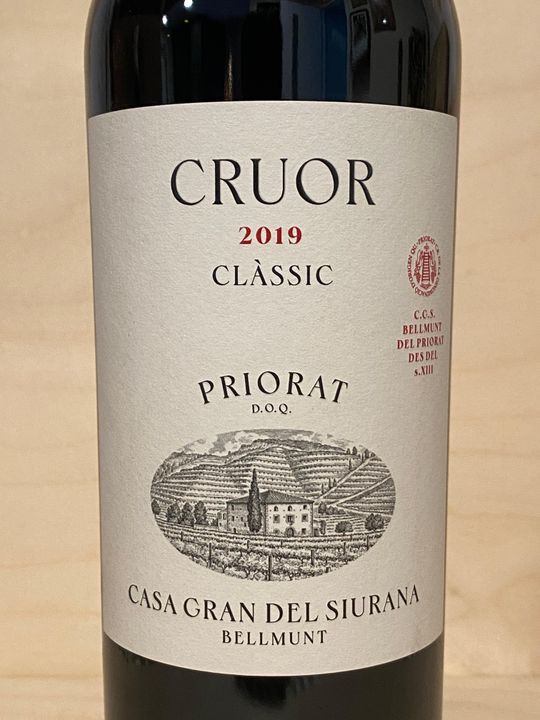
Casa Gran del Sirana Cruor Clàssic Priorat 2019: Catalonia, Spain
$42.00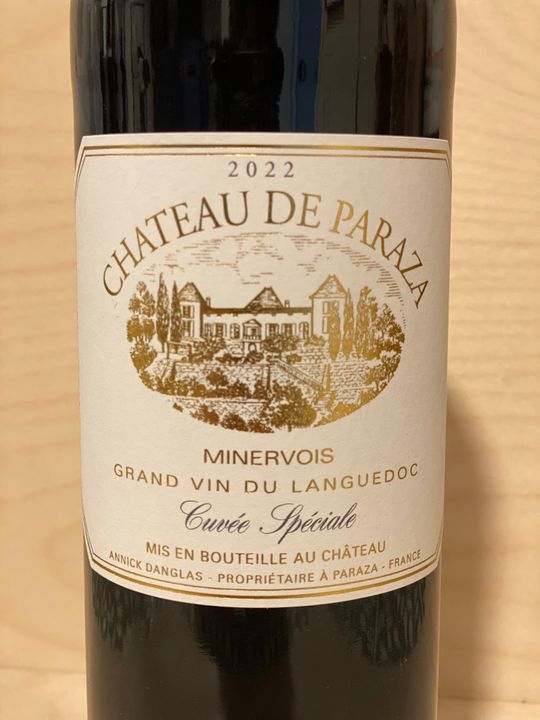
Ch. de Paraza Minervois Cuvée Spéciale 2022: Languedoc, France
Grapes: Syrah/Grenache/Mourvèdre Region/History Notes: Château Paraza is located along the Canal du Midi, which connects the Mediterranean Sea to the Atlantic Ocean in southern France. Paul Riquet, architect of the canal, actually stayed here during its construction in the 1600s! Over the years, the land has been used for various agriculture purposes, but most importantly grapes! Owners Annick and Pascal Danglas purchased the estate and took on the challenge of their first harvest in 2005. A true family affair, they along with their children and parents all tend to the Grenache, Syrah, and Mourvèdre vines, all contributing to this classic red blend of Minervois. Tasting Notes: Red and black plum, black pepper, dried lavender and thyme, with just enough leather and earthiness on the nose to make sure you know it’s French! The palate is smooth, almost silky, with loads of ripe strawberry and cherry. A perfect red to pair with Portobello mushroom burgers.$22.00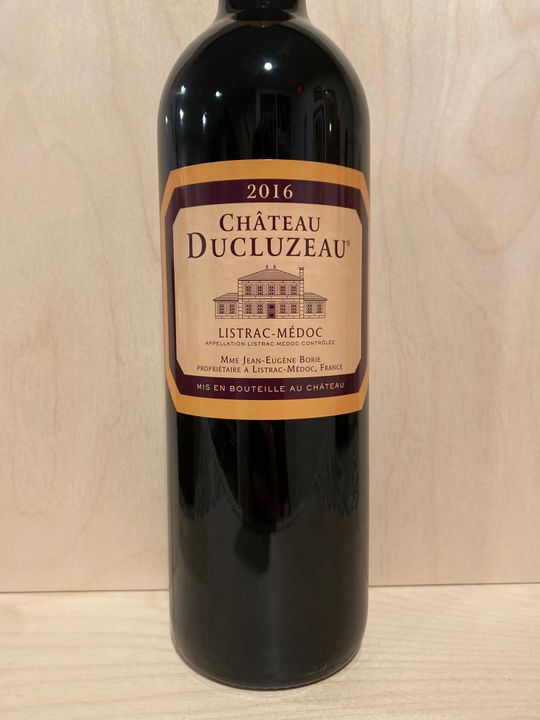
Ch. Ducluzeau Listrac-Médoc 2016: Bordeaux, France
Grapes: Merlot/Petit Verdot Region/History Notes: Chateau Ducluzeau is known for producing elegant wines with a higher proportion of Merlot than most Left Bank producers who generally favor Cabernet Sauvignon. The cooler clay rich soils here allow Merlot to shine, making wines with plush fruit and generous textures. With 5% Petit Verdot adding color and aromatics, this wine is not shy in the least! The 2016 vintage was exceptional across Bordeaux with long sunny days, cool nights, and perfectly ripened fruit. It is in these satellite appellations that you find the vest values in Bordeaux! Tasting Notes: Red currants and black plum, leather and spice, violets and brandied cherries, this wine is powerful and sultry. With 10 years of age, the tannins have softened making it a delight to drink now, especially with filet mignon!$40.00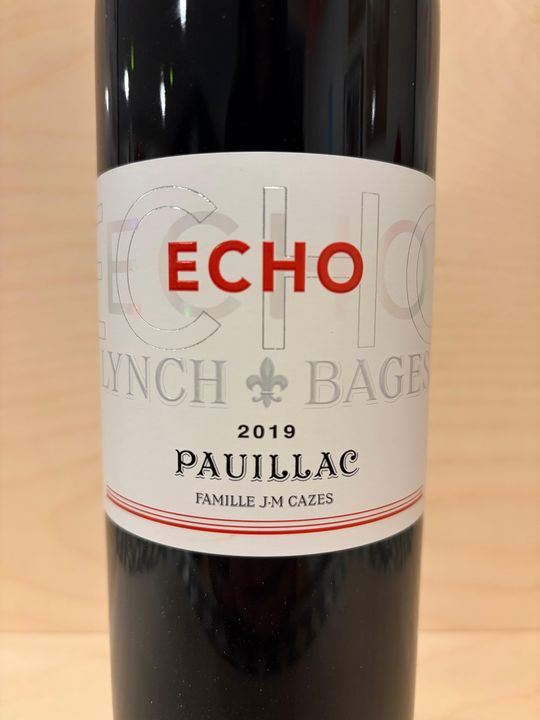
Ch. Lynch-Bages "Echo" 2019: Pauillac, France
Grapes: Cabernet Sauvignon/Merlot/Cabernet Franc Château Lynch-Bages is a Fifth Growth Bordeaux classified in 1855, producing Cabernet Sauvignon–based wines from Pauillac’s gravelly soils, renowned for intense, age-worthy reds. While its classification dates to 1855, the estate’s modern prestige was established after the Cazes family acquired it in 1939 and invested in modernization. Still family-owned, Lynch-Bages remains one of Bordeaux’s most respected names. Echo, the second label, comes from younger vines on select plots and is aged 12 months in French oak, making it approachable earlier than the flagship wine. Unusually perfumed for Pauillac, this Merlot-leaning blend (53% Merlot, 46% Cabernet Sauvignon, 1% Cabernet Franc) offers striking aromas of hibiscus, violets, and wild roses. The palate is firmer than the nose suggests, with grippy tannins and a bitter coffee note on the finish, pointing to added elegance with age. Decant well and pair with a coffee-rubbed steak.$80.00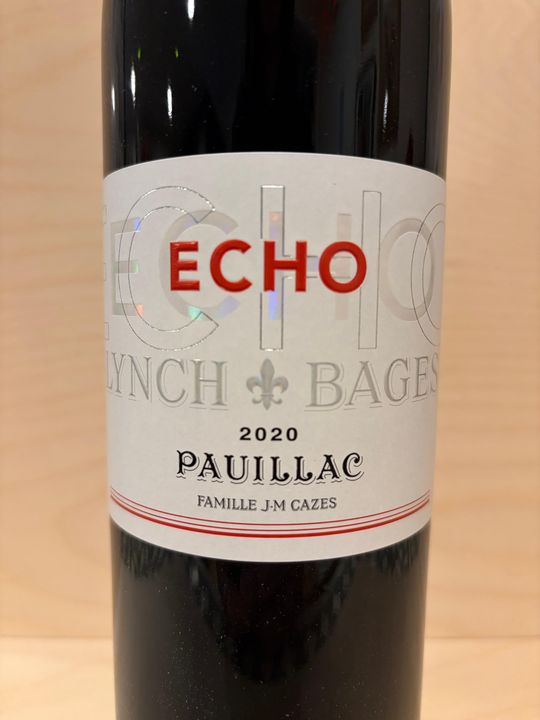
Ch. Lynch-Bages "Echo" 2020: Pauillac, France
Grapes: Cabernet Sauvignon/Merlot Region/History Notes: Ch. Lynch Bages is a classified Fifth Growth Bordeaux from Pauillac, renowned for Cabernet Sauvignon-based reds grown in gravelly soils. Though ranked in 1855, the estate’s modern prestige was cemented after the Cazes family purchased it in 1939 and modernized the winery. Still family-owned, Lynch Bages remains one of Bordeaux’s most respected producers. Echo is the estate’s second label, crafted from younger vines and aged 12 months in French oak to create a beautiful wine that is approachable at a younger age than their flagship bottling. Tasted blind I would have guessed this wine was older—not from showing age in a bad way, but from how drinkable it is from the start. Red currant, cherry pit, leather, peppercorn, roasted red pepper, cedar, and sandalwood lead into fine-grained, almost powdery tannins. After an hour in a decanter, it turns silky and even more fruit-forward. Excellent with roasted lamb chops!$85.00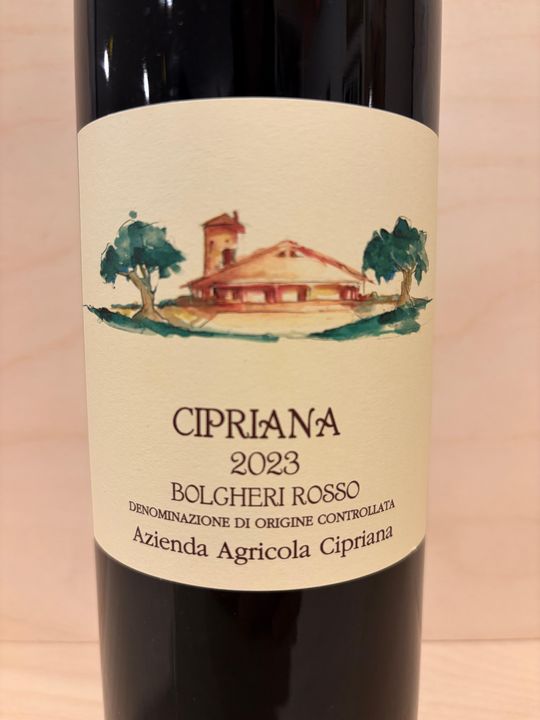
Cipriana Bolgheri Rosso 2023: Bolgheri, Tuscany, Italy
Grape: Cabernet Sauvignon/Merlot/Syrah Region/History Notes: Never before featured in Virginia, we are thrilled to bring on this wine from Cipriano! Bolgheri, located on the Tuscan coast, isn’t known for Sangiovese-based wines like its neighbor appellations of Chianti and Brunello. Instead, vineyards here are often planted to Bordeaux varietals like Cabernet Sauvignon, Cabernet Franc, and Merlot. In the 1960s, Tuscan winemakers began experimenting with French varietals and modern winemaking techniques, and in 1968 the first of what we would call a “Super Tuscan” was produced: Tenuta San Guido’s Sassicaia. Tasting Notes: 75% Cab. Sauv., 15% Merlot, and 10% Syrah, this wine showcases the power that is so alluring about a Super Tuscan. This wine is all brawn at first, but decant and let the wine open up and all the red currants, licorice, plums, and cherries develop, bringing softness to this structured wine. Decant 1 hour and serve with grilled New York Strips!$48.00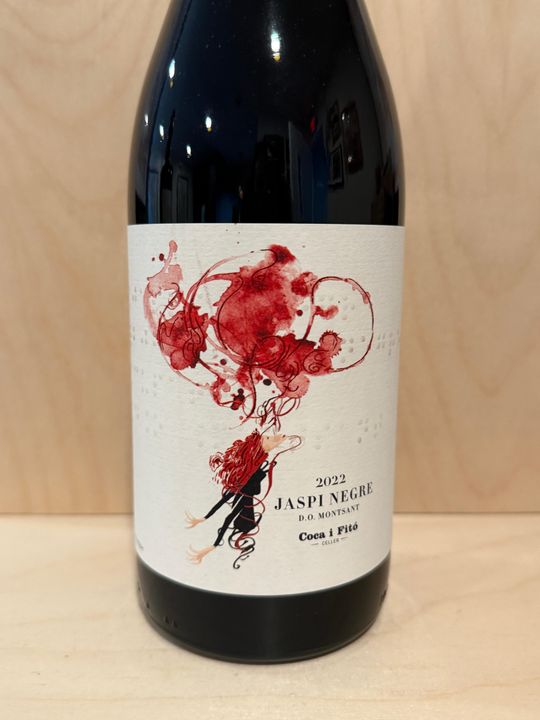
Coca i Fitó "Jaspi Negre" 2022: Montsant, Catalonia, Spain
Grapes: Carignan/Grenache/Cab. Sauv./Merlot/Tempranillo/Syrah Region/History Notes: Jaspi Negre comes from Montsant, the mountainous appellation that encircles its famous neighbor, Priorat. The name “Jaspi” means jasper, a nod to the incredible diversity of soils found here. This bottling pulls from vineyards across the Falset Valley planted on clay, granite, limestone and slate. After a brief three months in French and American oak, the wine spends another year resting in underground cement tanks. Tasting Notes: This is flamboyant on the nose, bursting with candied plums, ripe cherries, roasted strawberries and even a hint of red licorice. The mid palate is supple and rich before giving way to a surprisingly light, lively finish. Give it a little air and peppercorn and smoke begin to emerge. Chill slightly for bursts of pink fruit and florals. Serve with olive tapenade and aged Manchego, or get a little moodier and bring out lamb meatballs.$35.00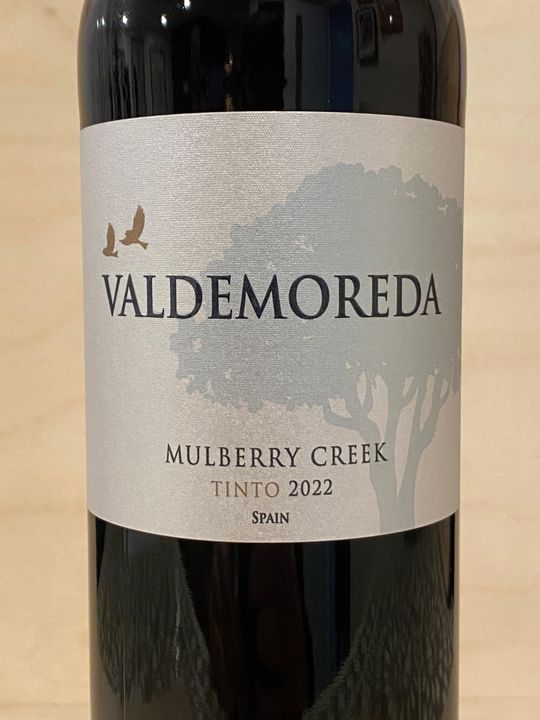
Conde Valdemar "Valdemoreda" Mulberry Creek Tinto 2022: Spain
Grape: Tempranillo Generally speaking, Spanish Tempranillo and oak go hand in hand. French oak, American oak, you name it: barrel aging is part of the framework through which most of us have come to know this grape. So finding a young, juicy, unoaked Tempranillo like this is such a treat! Made from 100% Tempranillo and fermented in stainless steel with a little carbonic maceration in the mix, Valdemoreda gives you the grape in a much more playful package. Ripe plum and currants lead the way, followed by a little spice and smoke, but without the bigger tannins and richer structure we often associate with traditionally aged Rioja. It's dry, smooth, fruity and ridiculously easy to drink. At $15, this little bottle was such a pleasant surprise. Think of it as the girl-next-door version of Tempranillo: approachable, charming and not trying too hard. Pop it with a roast beef sandwich, a plate of cheese and crackers, or absolutely nothing at all. This is everyday Spanish red done right!$15.00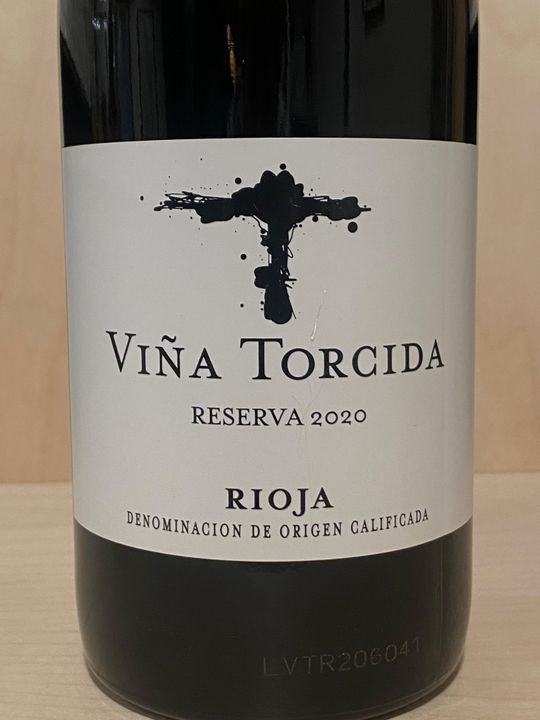
Conde Valdemar "Viña Torcida" Reserva 2020: Rioja, Spain
Grapes: Tempranillo/Mazuelo/Garnacha Region/History Notes: Rioja is famous for its Tempranillo-based red blends and its long-standing tradition of oak aging. This one’s classified as a Reserva, a designation requiring a minimum of three years of aging total, including at least one year in oak and six months in bottle. The result is a style that balances ripe fruit with oak-derived character and the more complex tertiary notes that develop with bottle age. Viña Torcida spends 27 months in American oak. Tasting Notes: On the nose, I get bright cherry, dried red plum, and tomato leaf, followed by more complex flavors of dried fig, vanilla, and a touch of toasted coconut on the finish. The American oak adds a warm, savory character without overpowering the fruit. Pair this with slow-braised beef or a hearty mushroom and lentil stew.$20.00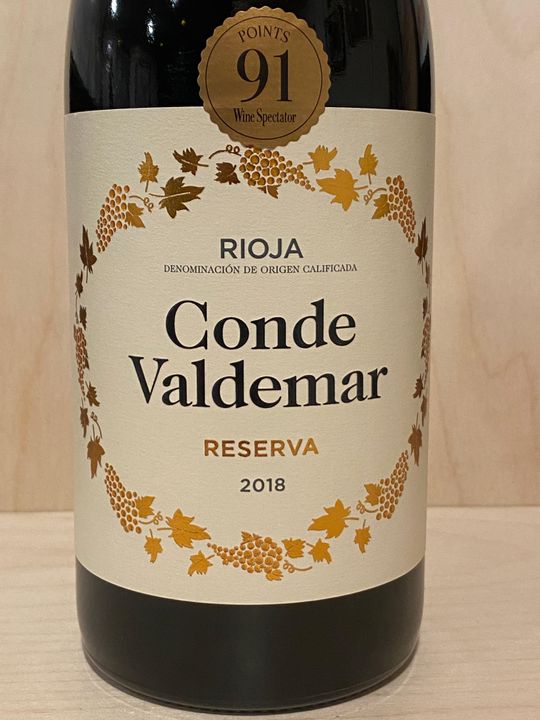
Conde Valdemar Rioja Reserva 2018: Rioja, Spain
Grape: Tempranillo/Graciano/Garnacha/Maturana Region/History Notes: Rioja Reserva is practically made for fall and winter. Extended oak and bottle aging transform Tempranillo from vibrant fruit into all the cozy flavors of leather, tobacco and spice. The Martínez Bujanda family has five generations of winemaking history, while Conde Valdemar began its modern chapter in 1985. This 2018 blends 83% Tempranillo with Graciano, Garnacha and Maturana from estate vineyards in Rioja Alavesa and Rioja Alta, with 19 months in oak. Tasting Notes: This smells like cozying up on the couch with a blanket. Leather, tobacco, spice, currants, cherries and anise; this wine is deep, unctuous and cozy to a T. With eight years of age, the tannins have softened quite a bit but they’re still there, don’t worry; and the fruit is still vibrant. Drinks perfectly right now, but don’t be afraid to age it a few more years. For something more substantial roast a rack of lamb and pile on the herbs and garlic.$35.00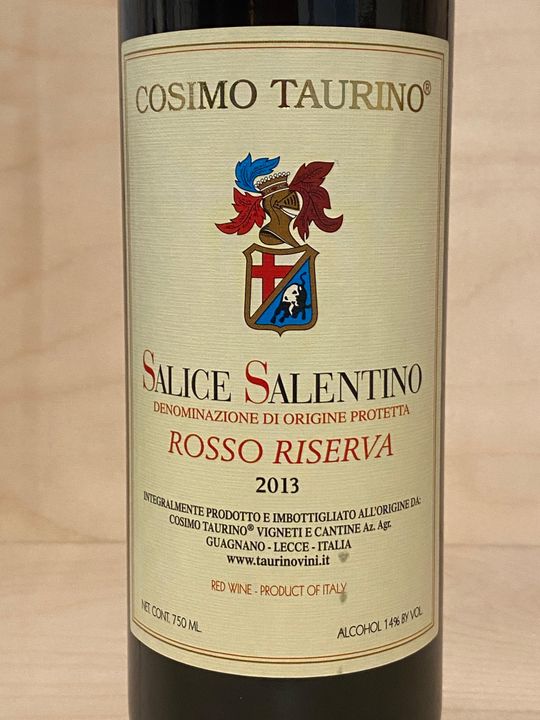
Cosimo Taurino Salice Salentino Rosso Riserva 2013: Puglia, Italy
$31.00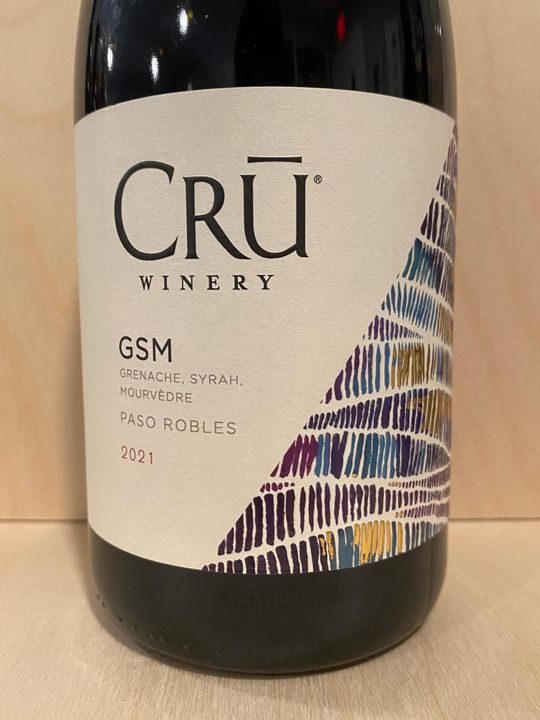
Crū Winery "GSM" 2021: Paso Robles, California
Grapes: Grenache/Syrah/Mourvèdre Region/History Notes: Crū Winery sources grapes from prestigious vineyards throughout California’s Central Coast, where the Burgundian and Rhône varieties they specialize in thrive. GSM (Grenache-Syrah-Mourvèdre) blends are common throughout the southern Rhône Valley in France. The grapes from this Californian spin come from the Paso Robles AVA on California’s Central Coast. Paso Robles is known for its diverse range of soil types with high pH levels, which contribute to maintaining acidity and structure in the final wine. This, along with cool nights, are critical in Paso, an area known for high daytime temperatures that may otherwise lead to flabby, unstructured wines. Tasting Notes: This is a perfect example of Crū’s focus on producing wines for everyday drinking. Ripe raspberry, blackberry and black cherry are complemented by a hint of vanilla and baking spice resulting from 18 months of French oak aging. Pair with BBQ chicken off the grill!$29.00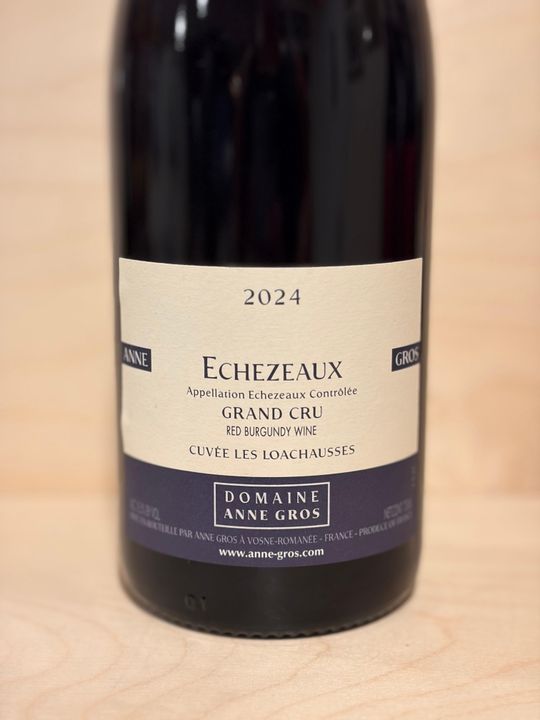
Dom. Anne Gros "Cuvée Les Loachausses" Grand Cru Echezeaux 2024: Burgundy, France
$350.00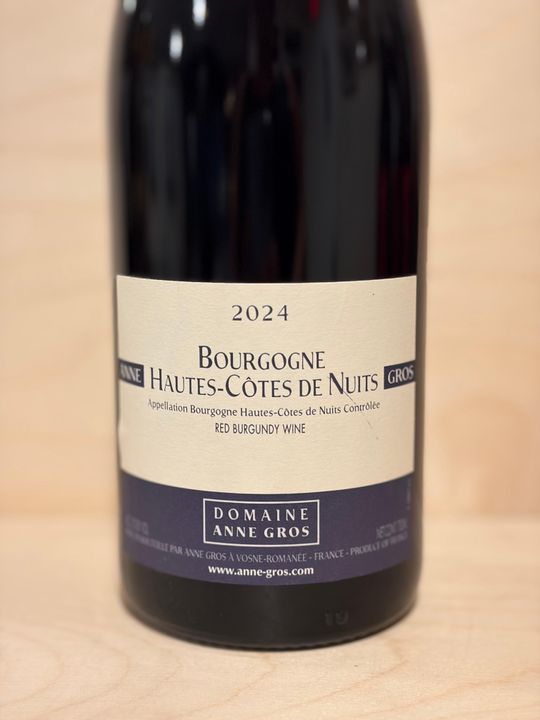
Dom. Anne Gros Hautes-Côtes de Nuits Bourgogne Rouge 2024: Burgundy, France
$85.00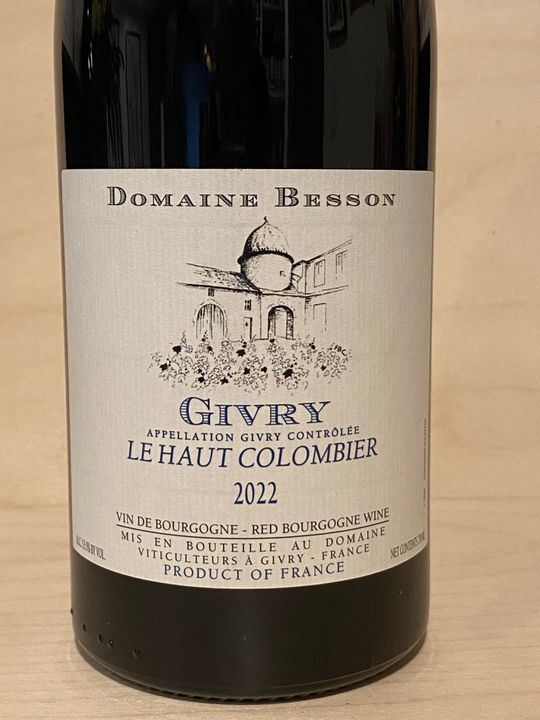
Dom. Besson Givry "Le Haut Colombier" 2022: Burgundy, France
Grape: Pinot Noir Region/History Notes: Le Haut Colombier comes primarily from a contiguous 2.2-hectare parcel in Le Petit Prétan. The vines average around 30–35 years old and sit at the bottom of the slope, where the soils are deeper and clay-rich but notably stony with limestone. Grapes are hand-harvested and sorted in the vineyard, then destemmed and fermented with indigenous yeast before approximately 12 months in barrel. Tasting Notes: I adore Pinot Noir that strikes the perfect balance between elegant and savory, and Dom. Besson does it every time! Black cherry, hibiscus, black currant leaf and red rose petals meet composting forest floor, wild mushrooms and cured tobacco leaf. The mid-palate is round and sumptuous without being too generous. Refined tannins and beautifully integrated acidity give the plush palate definition and structure. Pair with duck breast or lentil stew, and bring on the fall weather!$53.00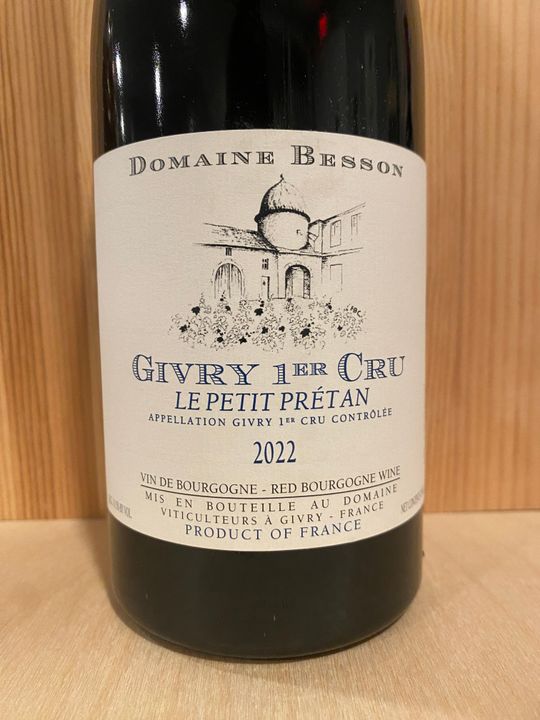
Dom. Besson Givry 1er Cru "Le Petit Prétan" 2022: Côte Chalonnaise, France
Grape: Pinot Noir Region/History Notes: Domaine Besson is a family owned and operated estate that is now run by the 4th generation: Xavier and Guillemette Besson. Givry is a 740 acre subregion of the Côte Chalonnaise that is known mostly for Pinot Noir and boats a staggering 38 Premier Cru Vineyards! One of which, the Petit Prétan vineyard, is a tiny 3.5 acre plot at just under 700 ft elevation with the classic clay-limestone soils that Pinot Noir loves so much. These vines are 40+ years old which is rare for Pinot and the wine is aged for 12 months in 30% new French oak barrels. Tasting Notes: Black currant leaf, hibiscus blossom, elderberry, and sandalwood, this wine is incredibly perfumed and almost heady it its expression even immediately upon opening. The wine is vibrant and structured on your palate and the finish is subtle but long with purple fruits that linger longer than the savory notes of pipe tobacco and cedar wood chips. Pair with salmon served with a soy ginger glaze!$61.00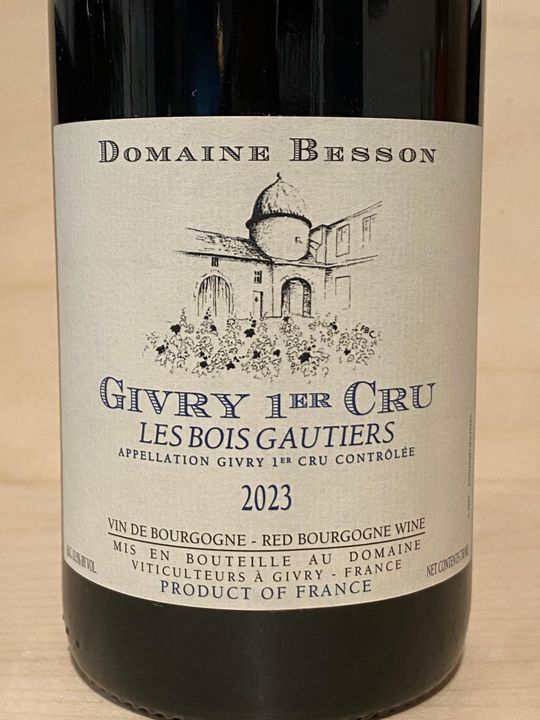
Dom. Besson Givry 1er Cru "Les Bois Gautiers" 2023: Burgundy, France
Grape: Pinot Noir Region/History Notes: Givry is part of Burgundy’s Côte Chalonnaise and is better known for reds than whites. While there are no Grand Cru sites, more than 40% of Givry’s vineyards are classified as Premier Cru. The Les Bois Gautiers climat sits on Givry’s most southerly oriented slopes, maximizing sunlight and helping the grapes reach full ripeness for a particularly fruit-forward expression. The vines were replanted in 2009 with carefully selected Pinot Noir clones suited to the site’s terroir. Tasting Notes: Elegant and fruit-driven, with stewed strawberry, red cherry and cranberry alongside earthy potting-soil notes and a hint of cedar from 12 months of oak aging. Pair with something simple, like mushroom pizza!$61.00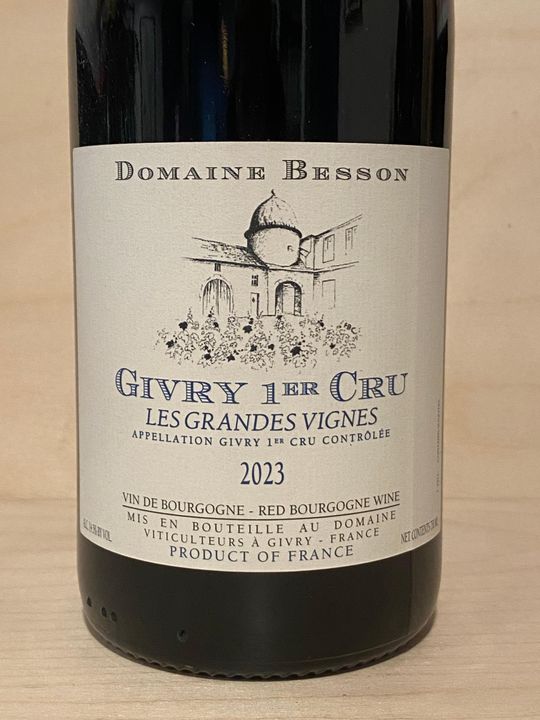
Dom. Besson Givry 1er Cru "Les Grandes Vignes" 2023: Burgundy, France
Grape: Pinot Noir Region/History Notes: Domaine Besson in Burgundy’s Côte Chalonnaise, has been in the business since 1938. All of their Pinot Noir undergoes a cold-maceration, which is a pre-fermentation technique that extracts color and flavor from the grapes skins without extracting harsh tannins. Wines are then fermented in stainless steel and aged in French barriques, about 30% of which are new, adding layers of rich spice and often a cedar or woodsy quality to wines. The vines from this particular climat, a term used particularly in Burgundy to identify a specific vineyard, “Les Grandes Vignes” are around 50 years old. Tasting Notes: This Pinot Noir shows impressive structure and power, with aromas of red plum, black cherry, licorice, clove, and violet. Its combination of ripe, concentrated fruit, savory spice, and firm structure makes it a natural match for pan-seared duck breast with an orange pan sauce.$61.00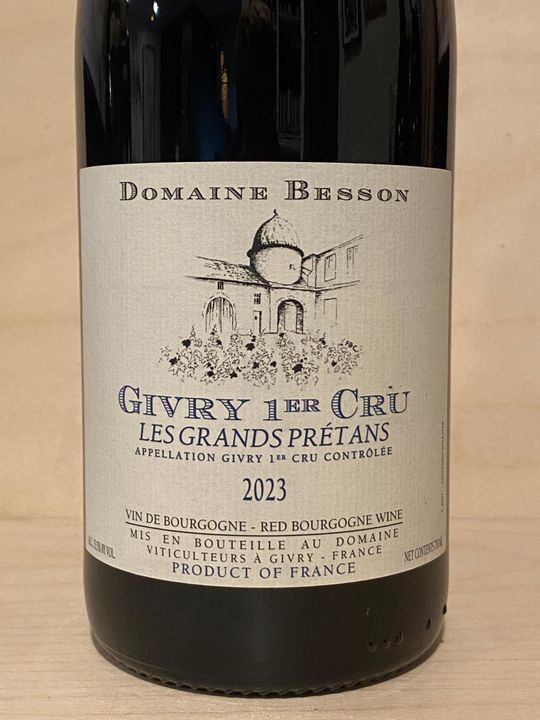
Dom. Besson Givry 1er Cru "Les Grands Prétans" 2023: Burgundy, France
Grape: Pinot Noir Region/History Notes: The “Les Grands Prétans” vineyard is one of Givry’s 38 Premier Cru sites with its clay-limestone soils offering the perfect amount of water retention. Unlike the Côte d’Or, the Côte Chalonnaise has no Grand Cru vineyards, but quality has been steadily improving in recent years, making Givry a great source for high-quality, high-value red Burgundy! Domaine Besson practices sustainable viticulture, including maintaining natural cover crops to promote biodiversity and support soil health. The estate has been HVE (High Environmental Value) Level 3 certified since 2021, the highest level of the certification. Tasting Notes: Aromas of dried strawberry and earthy mushroom are layered with baking spice, particularly clove and vanilla. On the palate, the wine is generous and structured, with powerful but polished tannins. Pair it with something warm and savory, like a mushroom risotto.$61.00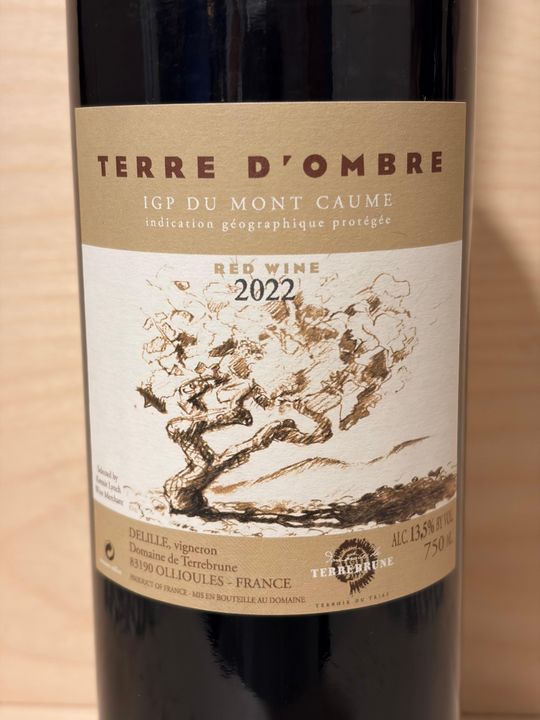
Dom. de Terrebrune "Terre d'Ombre" Rouge 2022: Mont Caume, France
Grapes: Mourvèdre/Grenache/Cinsault Region/History Notes: Just outside Bandol, Domaine de Terrebrune sits on terraced vineyards overlooking the Mediterranean, where Mourvèdre thrives in brown clay and limestone soils formed from ancient Triassic seabeds. The domaine was founded in the 1960s and has farmed organically from the beginning, allowing this wild Provençal landscape to shine through its wines. Terre d’Ombre comes from Terrebrune’s youngest vines, giving us a softer, more immediately approachable look at Mourvèdre without losing its savory personality. Tasting Notes: Give this wine a little time to open and you’ll be rewarded with roasted strawberries, red plums, dried cherries, cocoa powder and roasted herbs. The fruit is ripe and silky tannins add a warming finish. Put a pot roast in the oven with fingerling potatoes and tri-colored carrots and you’ve got one heck of a dinner.$35.00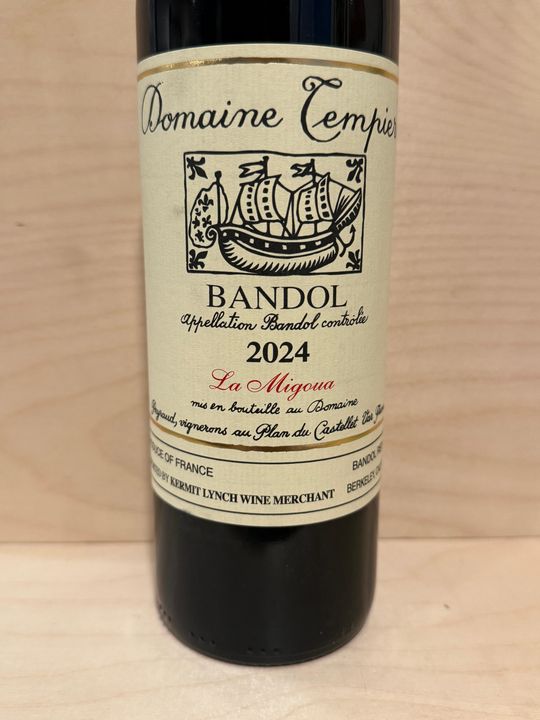
Dom. Tempier "La Migoua" Bandol 2024: Provence, France
$126.00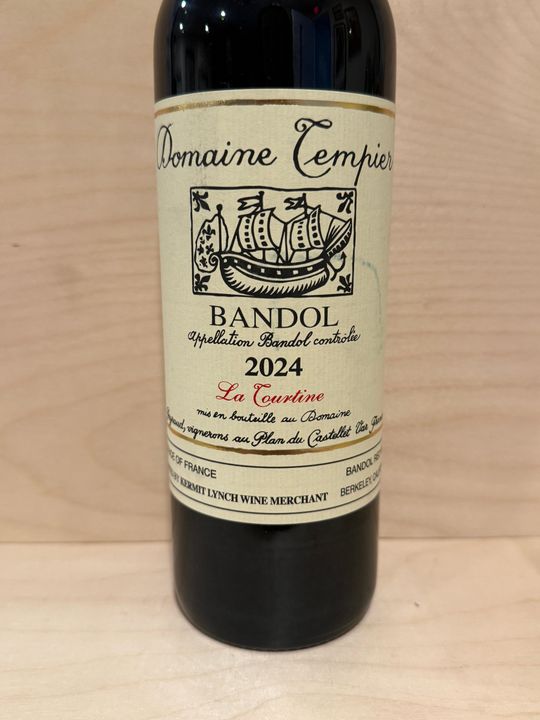
Dom. Tempier "La Tourtine" Bandol 2024: Provence, France
$126.00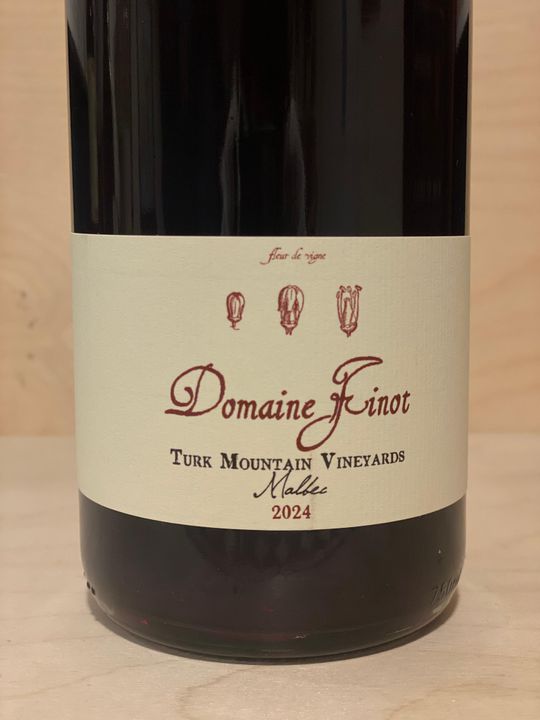
Domaine Finot Turk Mountain Vineyard Malbec 2024: Monticello, Virginia
Grape: Malbec Region/History Notes: This Malbec is the perfect introduction to the meaning of “glou-glou,” a French term inspired by the sound of someone happily chugging wine straight from the bottle. Crafted using carbonic maceration, whole, uncrushed grape clusters are sealed in a tank filled with carbon dioxide, triggering fermentation inside each individual berry. The result? A vibrant, juicy, fruit-forward red bursting with fresh flavors, soft tannins, and an irresistible drinkability. Serve it slightly chilled and watch it win over every palate. Tasting Notes: Blackberry cobbler on the nose with fresh-ground cinnamon and vanilla custard. This Malbec is absolutely alive with juicy fruit and a bright, zippy acidity that hits your palate like Pop Rocks, carrying through to a long finish with notes of blueberry candy. We highly recommend giving this wine a slight chill before serving alongside grilled pork spare ribs glazed with blackberry BBQ sauce.$28.00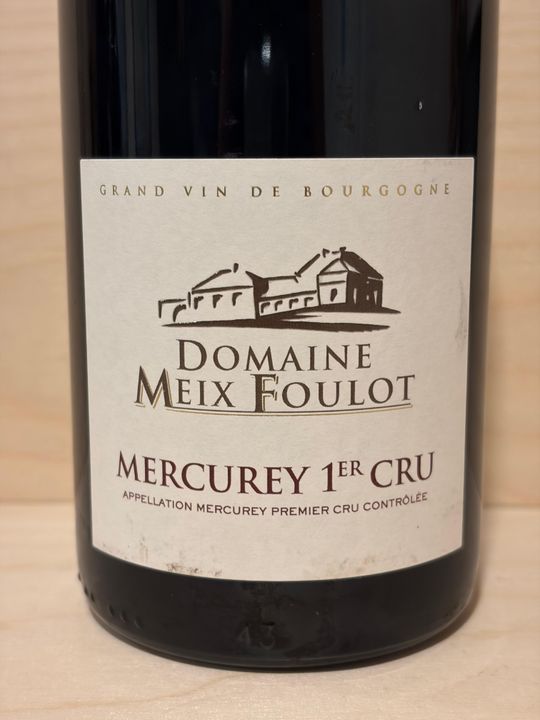
Domaine Meix Foulot Mercurey 1er Cru 2018: Burgundy, France
Grape: Pinot Noir Region/History Notes: Domaine Meix Foulot’s Mercurey 1er Cru 2018 shows why Mercurey is the powerhouse of the Côte Chalonnaise. Its mix of limestone, clay, and iron-rich marl gives Pinot Noir more structure, darker fruit, and earthy depth than many southern Burgundy sites. The Premier Cru designation marks parcels with superior exposure, drainage, and soil—the places that reliably deliver concentration and finesse. Meix Foulot farms some of the village’s most respected slopes with classic Burgundian restraint. This cuvée blends two 1er Crus—Les Byots and Les Montaigus—and ages in 20% new oak for balance and structure. Tasting Notes: Ripe black cherry, raspberry, and warm baking spice meet cedar, dried rose, hibiscus, and Mercurey’s signature mineral edge. Silky tannins and a generous mid-palate stay lifted and fresh, with hints of pipe tobacco and forest floor adding depth. A beautiful choice for roasted duck or turkey.$66.00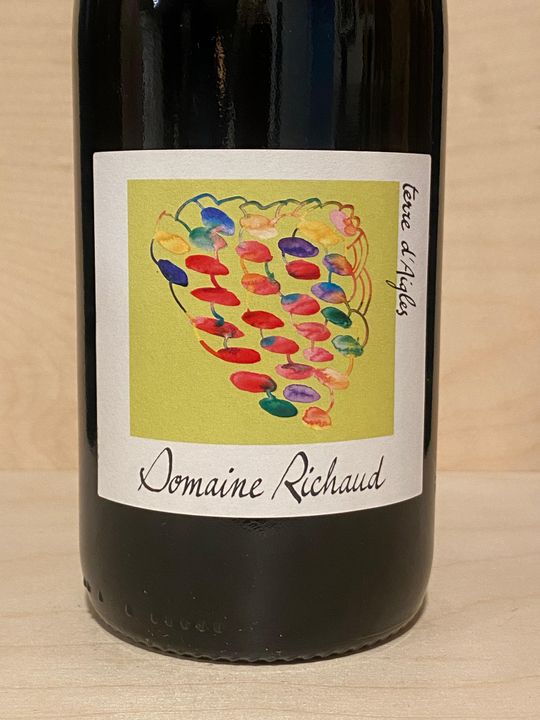
Domaine Richaud "Terres d'Aigles" Côtes-du-Rhône 2024: Rhône Valley, France
Grapes: Grenache/Carignan/Syrah/Counoise Region/History Notes: Marcel Richaud began making his own wine in Cairanne in 1974, leaving the local cooperative and becoming an early champion of low-intervention winemaking in the Southern Rhône. Today his children help carry on the domaine, where all grapes are hand-harvested and the vineyards have been certified organic since 2008. In the cellar, varieties and terroirs are vinified separately with no additives or filtration before blending. Tasting Notes: I’m not sure there’s a red wine more friendly, generous and “come-as-you-are, I’ll meet you at the table” than a Rhône blend. This one is a delight to all the senses. Deep ruby and purple in the glass, with aromatics that jump out with pink flowers, red fruits, green herbs and black pepper that pop across the palate. Full-bodied and rich with plush, velvety tannins. Delightful on its own, but it would absolutely kill it with pot roast, mashed potatoes and yeast rolls!$29.00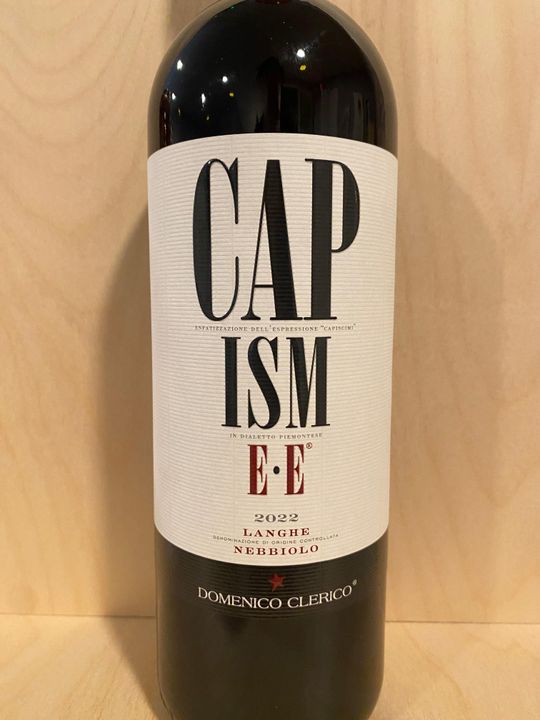
Domenico Clerico "Capisme-e" Nebbiolo 2025: Langhe, Piedmont, Italy
Grape: Nebbiolo Region/History Notes: Nebbiolo is a powerhouse, both in acid and tannin, but if grown in an area with more fertile growing conditions (i.e., access to more water and nutrients), the acid and tannins aren’t quite as aggressive. This winemaker does produce Barolo and Barbaresco, but “Capisme-e” (meaning “understand me”) is a Nebbiolo designed to be enjoyed fresh, young, and now! There is no oak on this wine; it is fermented in stainless steel and aged in Amphora just long enough to soften the edges and let the fruit sing of the terroir it grows from. Tasting Notes: The nose is full of red berries, wild plums, and fresh roses still warm from the sun. There is something chocolatey on the nose, as well, but just enough for curiosity! The flavors all carry and the finish is mouthwatering. Pair with the summer’s first brisket!$40.00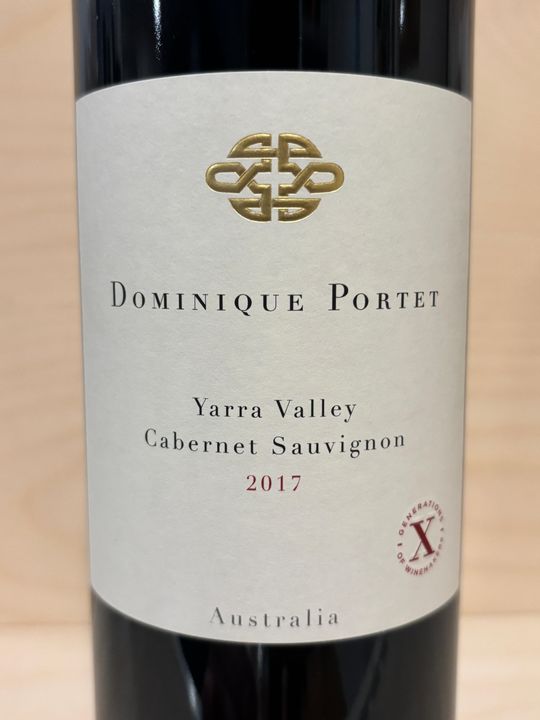
Dominique Portet Yara Valley Cabernet Sauvignon 2017: Yarra Valley, Australia
Grape: Cabernet Sauvignon Region/History Notes: From the cool, maritime influenced vineyards of Yarra Valley, this wine shows restraint and structure while never forgetting about fruit. Dominique Portet brings serious reputation and experience here, with deep roots in Bordeaux and clear intention to express elegance with Australian fruit. The 2017 vintage saw a long, even growing season, allowing for slow ripening and excellent phenolic development. At just about 10 years of age, it is just now coming into its prime and could easily age for another decade. Tasting Notes: Brooding and savory at first, then perfumed with crunchy red fruit, the wine does a full 180 in the glass as it opens up! Decant for an hour and you’ll be showered with red currant, licorice, roasted red pepper, eucalyptus, and uncured tobacco, with bright acidity and fine grained tannins. If this doesn’t need a filet mignon I’m not sure what does!$74.00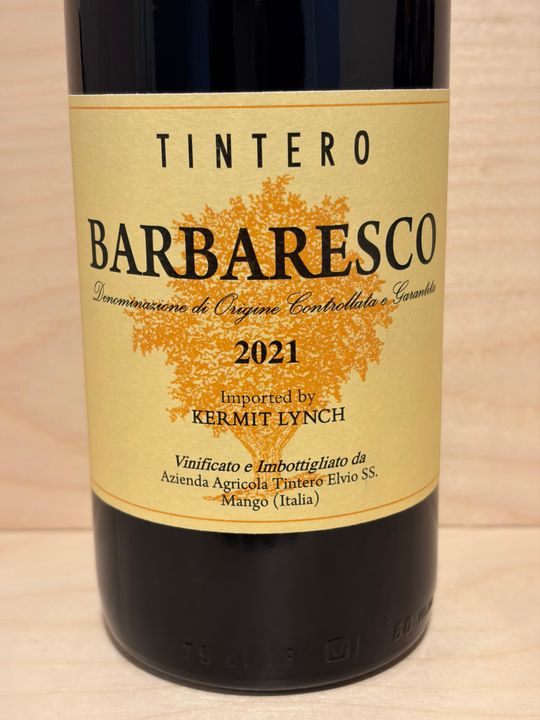
Elvio Tintero Barbaresco 2021: Piedmont, Italy
Grapes: Nebbiolo Region/History Notes: Located in Mango, Piedmont, Frenchman Pierre Tintero began the family’s wine journey working in the vineyards of Rosina Cortese. Today, the tradition continues under Marco Tintero. Their Nebbiolo vineyards for Barbaresco were planted in 1980 and 1990 in Neive and are sustainably farmed. Fermented in stainless steel for two to three weeks, the wine ages at least one year in 500-liter botti, 10 to 20-year-old oak casks whose neutral character allows the wine to mature without overwhelming the fruit. Tasting Notes: Even if you think Nebbiolo is not the grape for you, this one is insanely easy to fall in love with! Candied cherries, dried cranberry, vanilla caramel and dried Italian herbs mingle with a smidge of classic freshly paved road on the nose. The generous palate will continue to evolve over time. A Nebbiolo you can simply enjoy, but even better with seared pork chops and mushroom pan sauce!$50.00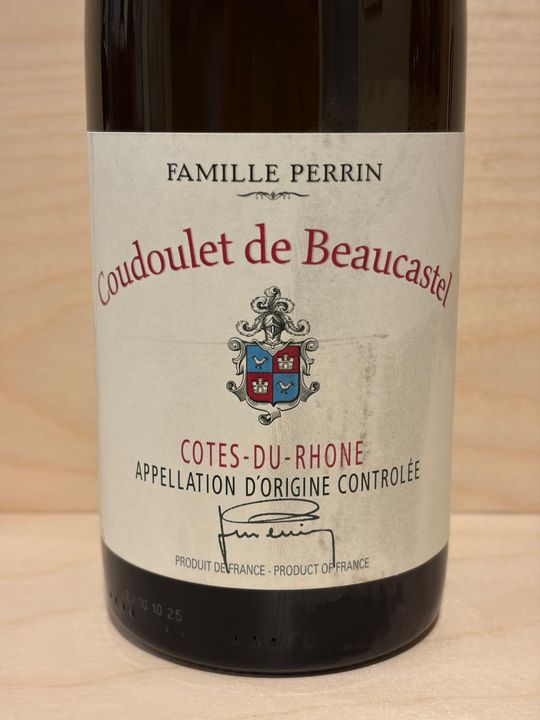
Famille Perrin Coudoulet de Beaucastel Cotes-du-Rhone Rouge 2023: Rhône Valley, France
Grapes: Grenache/Mourvèdre/Syrah/Cinsault Separated from Château de Beaucastel by little more than a road, Coudoulet shares virtually the same famous galets roulés soils as its legendary neighbor. The 30-hectare estate is planted to 40% Grenache, 30% Mourvèdre, 20% Syrah, and 10% Cinsault, with each variety vinified separately before spending six months in large oak foudres. Tasting Notes: It's easy to understand why this wine has developed such a devoted following. Juicy black raspberry, ripe cherry, and plum lead the charge before giving way to cracked black pepper, lavender, rosemary, black olive tapenade, and a subtle smoky earthiness that speaks unmistakably of the Southern Rhône. The tannins are polished and velvety, making it wonderful in its youth, yet enough structure and complexity to reward another five to eight years in the cellar. If opening now, decant for 30-60 min, and serve alongside grilled lamb burgers, rosemary roasted pork loin, or smoked sausage.$50.00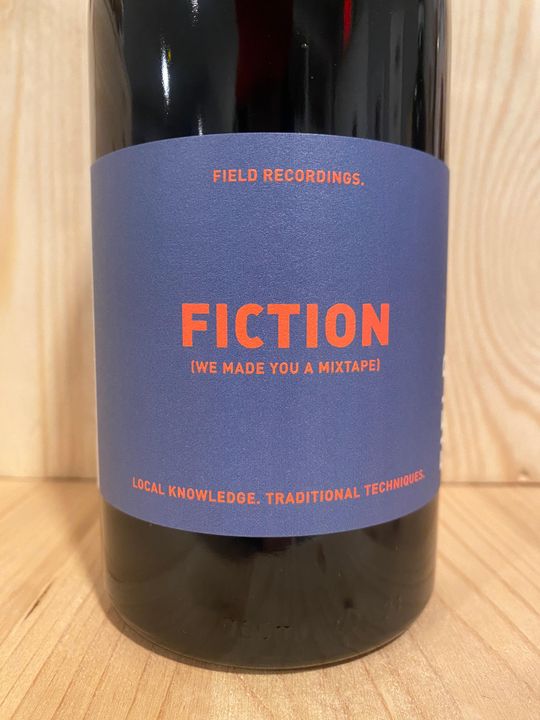
Field Recordings "Fiction" 2024: Paso Robles, California
Grapes: Zinfandel/Cabernet Sauvignon/Cabernet Franc/Syrah/Alicante Bouschet/Lagrein/Corvina/Cinsault Region/History Notes: Andrew Jones started Field Recordings to showcase diamonds in the rough in terms of vineyards, grapes, and styles. “Fiction” is his everything-but-the kitchen-sink red blend with the exact blend changing each vintage. The 2023 vintage comes with a larger splash of Cabernet Sauvignon as well as introduces Corvina and Cinsault into the blend (in place of Charbono & Grenache from last year) for a little more freshness and lift—oh yeah, and we’ve got a new label to boot! Tasting Notes: Fresh and juicy red and blue fruits with dashes of pepper and spice, and the palate is so enjoyable and easy to drink. While there are some bolder fruits and and grippier tannins, the wine is still elegant. Pair with burgers, your favorite movie, or just about any occasion—just make sure you have a 2nd bottle!$28.00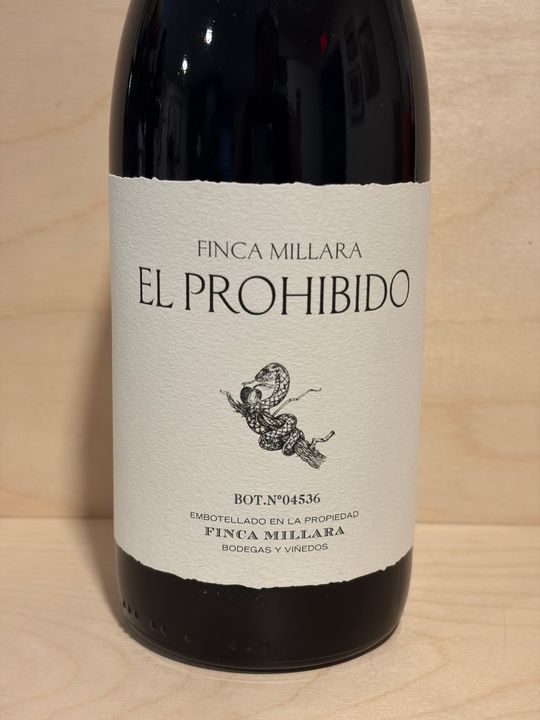
Finca Millara El Prohibido 2021: Spain
Grapes: Mencía/Sousón Region/History Notes: El Prohibido, “The Forbidden One,” is an 80% Mencía, 20% Sousón blend with a name rooted in Ribeira Sacra’s historically stricter grape rules. Today Sousón is a principal permitted variety, but that wasn’t always the case, and this rebellious little wine continues to be bottled outside the DO simply as Spanish wine as a matter of principle. It comes from Finca Míllara, where steep, terraced vineyards climb above the Miño River in a landscape famous for “heroic viticulture,” rescuing forgotten plots and varieties. Tasting Notes: Sousón adds a completely different dimension to Mencía, with red fruit lifting Mencía’s deep plum, while earthy spice grounds the ethereal notes. Florals of wild rose with pepper and pencil-shaving minerality underneath. Give this some air; it’s pretty rambunctious at first then mellows beautifully. Lighter-bodied despite all those deep flavors with a long finish. Perfect with sweet and sour chicken over rice pilaf.$38.00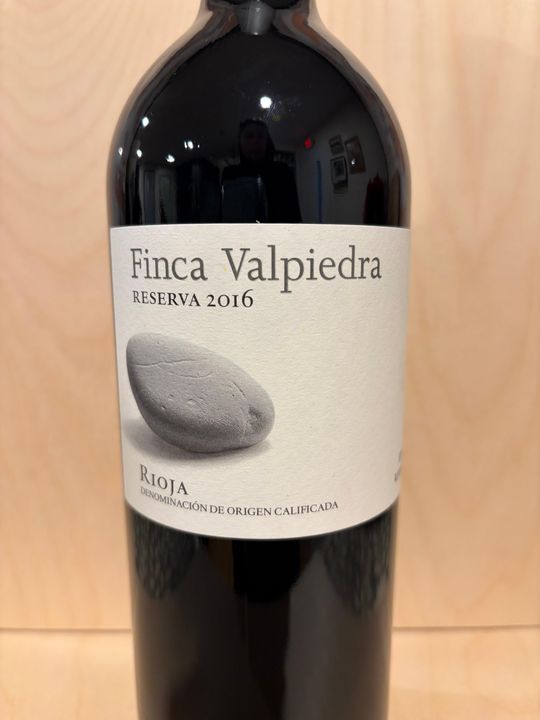
Finca Valpiedra Reserva 2016: Rioja, Spain
Grapes: Tempranillo/Graciano/Maturana Tinta Region/History Notes: Located along one of the four great meanders of the Ebro River in Rioja, this vineyard sits between the historic towns of Fuenmayor and Cenicero. Planted across three terraces that slope toward the river, the site benefits from both tradition and ideal geography. Rioja Reserva wines require a minimum of three years aging, including at least 12 months in oak and six months in bottle. This wine exceeds those standards, aging 24 months in French oak to marry Tempranillo’s intensity with added finesse and complexity. Tasting Notes: Highly aromatic and almost tactile, the nose is led by pronounced oak layered with cherry candy, tobacco, figs, sandalwood, and vetiver. The palate reveals sour cherry, dried grapefruit, and woodsy herbs with gripping tannins. An excellent pairing for a New York strip roast with herby demi-glace.$54.00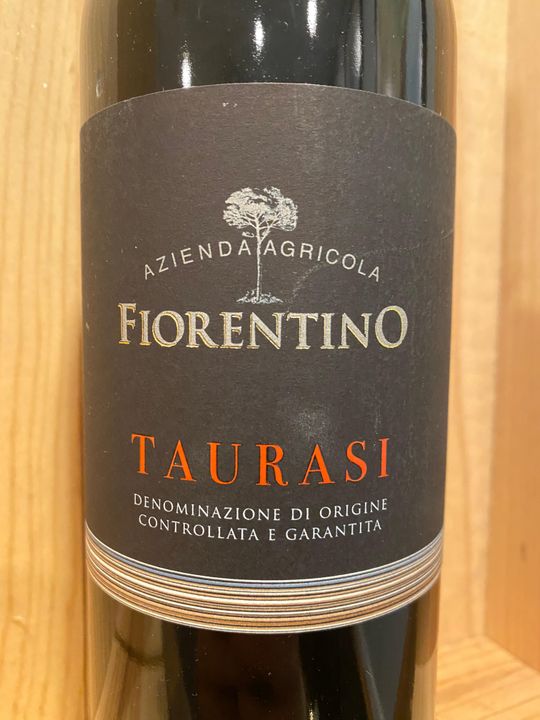
Fiorentino Taurasi 2019: Campania, Italy
Grape: Aglianico Region/History Notes: Taurasi is a region high in elevation in Campania, Southern Italy and is covered in volcanic ash. The Aglianico grape (pronounced ah-lee-AH-nee-co) is king here and produces some the most intense reds ever! Tasting Notes: Every time I taste a Taurasi I am mentally and emotionally transported to Italy, walking through these volcanic vineyards and sipping on this wine with the incredible view laid out before me. Aglianico is such a powerful grape--the acid, tannins, fruit, and density are all maxed out but somehow the wine can still be elegant! The complexity though--that is unmatched! Deep smoked plums with the most pepper and woodsy notes you have ever had in a wine, the tannins are grippy and take over your whole palate. The wine is dense and chewy and needs to be paired with braised meats, lamb chops, or even bison, anything gamey and intense to match the wine's power!$64.00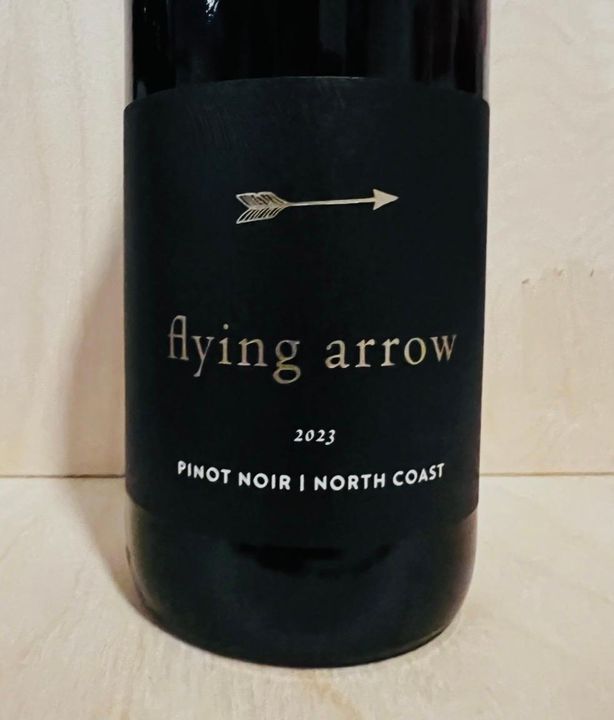
Flying Arrow Pinot Noir 2023: North Coast, California
Grape: Pinot Noir Region/History Notes: The California wine market is currently oversupplied, creating rare value opportunities. This bottle is a second label from Cline Family Vineyards and stands out as an exceptional find. Availability may be limited, so it’s worth stocking up while you can. Tasting Notes: A Pinot Noir that truly delivers for under $20. Bright red fruit—cherry and strawberry—meets subtle tobacco and forest floor, with hints of red florals. The palate is silky, with soft, velvety tannins. Enjoy on its own or pair with mushroom burgers, grilled salmon, or herb-roasted chicken.OUT OF STOCK$17.00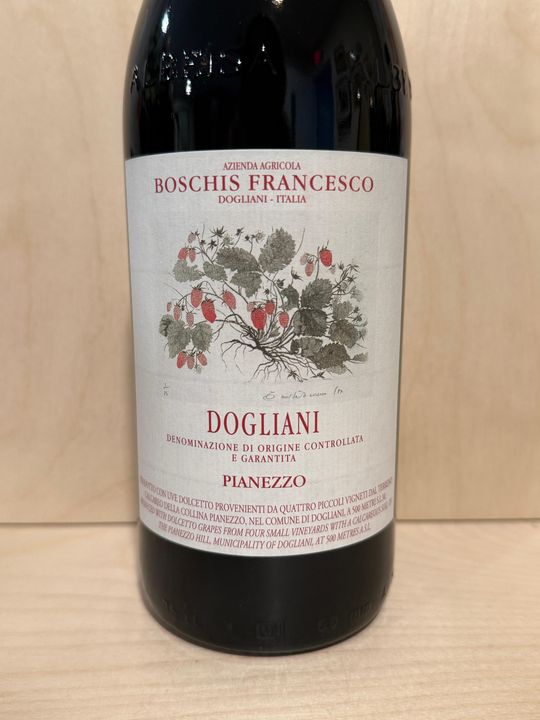
Francesco Boschis "Pianezzo" Dogliani Dolcetto 2023: Piedmont, Italy
Grape: Dolcetto Region/History Notes: Piedmont may be famous for Nebbiolo and Barbera, but one of my favorite grapes here is Dolcetto. In Dogliani, just south of Barolo, Dolcetto gets the spotlight. The Boschis family arrived on the high Pianezzo hill in 1919 and first bottled this wine in 1968. Today they farm without chemical fertilizers or pesticides, making them practicing organic. Pianezzo is 100% Dolcetto from calcareous and clay soils at 400–550 meters, aged 8–10 months in cement and steel. Tasting Notes: This label depicts it all: warm sun-ripened strawberries, but you can also smell the leaves, roots, and soil they’re growing in. Bright and lifted on the palate with pops of red fruit and herbs, plus that Piedmont acidity without Nebbiolo’s intense tannins. This is what you pop and pour while your Barolo is decanting. Wildly food-friendly, from grilled sausages or pepperoni pizza to duck breast over mushroom risotto. I’m not mad at it with just a little cheese, either.$31.00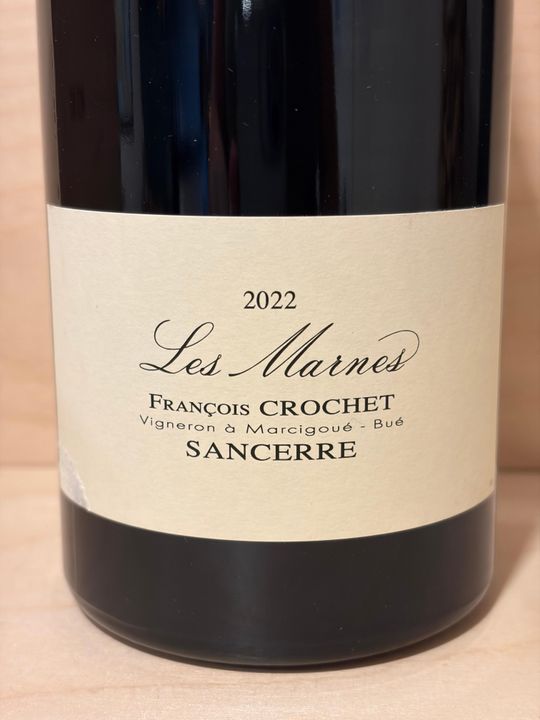
Francois Crochet "Les Marnes" Sancerre Rouge 2022: Loire Valley, France
Grape: Pinot Noir Region/History: While Sancerre is famous for mineral-driven Sauvignon Blanc, Pinot Noir has long produced elegant, ageworthy reds. “Les Marnes” refers to the vineyard’s marl soils, a blend of limestone and clay that gives Pinot Noir added depth, texture, and structure. The warm, generous 2022 vintage delivered excellent ripeness while preserving the vibrant acidity that gives Sancerre Rouge its signature lift. Tasting Notes: An intoxicating bouquet of hibiscus, red geranium, and wild rose leads to black cherry, roasted strawberry, and sweet herbs. More generous and expressive than the typically restrained Sancerre Rouge, this Pinot Noir feels almost hedonistic while maintaining balance and a strong sense of place. Pair with duck breast and cherry gastrique, herb-roasted turkey, or grilled pork tenderloin—the wine truly comes alive with food.$70.00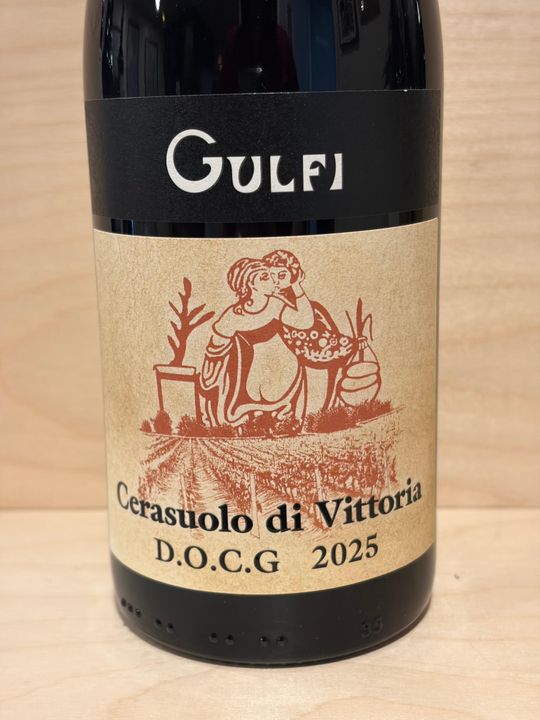
Gulfi Cerasuolo di Vittoria DOCG 2025: Sicily, Italy
$42.00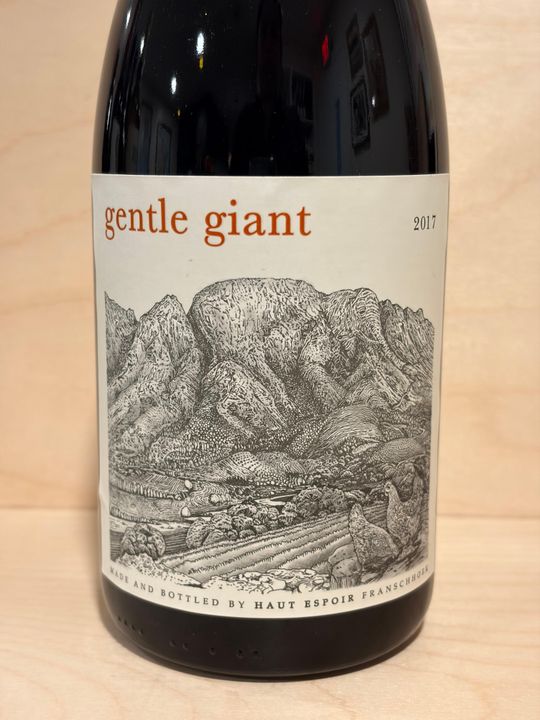
Haut Espoir "Gentle Giant" 2017: Franschhoek, South Africa
Grapes: Shiraz/Merlot/Cabernet Sauvignon/ Petit Verdot Located in the Franschhoek Valley, Haut Espoir's Gentle Giant was originally named for the silhouette of a resting elephant visible in the mountains from the cellar. Today, it also honors the legacy of Rob Armstrong, Haut Espoir's original proprietor. An archaeologist and philosopher before becoming a winemaker, Armstrong became an icon of Franschhoek and left a lasting mark on its wine community. The exceptionally dry 2017 growing season produced a small, concentrated crop. Each variety was fermented separately with indigenous yeasts, then aged 30 months in barrel before blending and bottling. Expressive aromas of cherry cordial, cracked black pepper, sandalwood, and chili powder lead to a surprisingly light-bodied palate of sour cherries, roasted red peppers, and pleasantly grippy tannins. Pair with beef kabobs loaded with peppers and onions!$21.00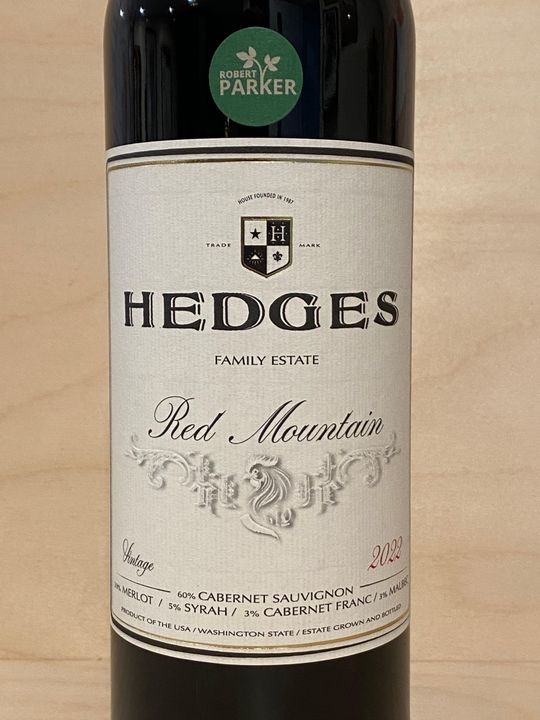
Hedges Red Mountain Red Blend 2022: Red Mountain, Washington, USA
Grapes: Cabernet Sauvignon/Merlot/Syrah/Cabernet Franc/Malbec Region/History Notes: There’s nothing quite as seductive as a big Washington State red, and Red Mountain takes that intensity to another level. This tiny, sun drenched AVA in eastern Washington has become famous for powerful Cabernet based wines with impressive structure. Hedges has been here since the early days, planting its first Red Mountain estate vineyard in 1989 and becoming one of the defining families of the region. Tasting Notes: Expect a punch with big, bold fruit in the best possible way. Currants, plums, and cherries galore come barreling out of the glass, followed by cocoa powder, leather and tobacco. The palate is rich, but bright acidity provides enough lift to keep it beautifully balanced. Black, white and pink peppercorn emerge on the finish, adding a final savory kick. Bold, and delicious now, but with the structure to evolve for another decade. Serve this beauty with roasted lamb over root vegetables.$50.00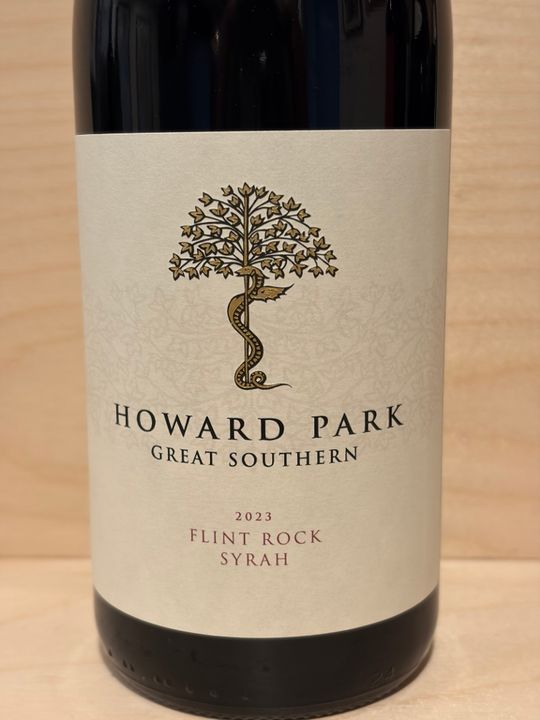
Howard Park "Flint Rock" Syrah 2023: Great Southern, Australia
Grape: Syrah Region/History: Western Australia is approx. 3,000 miles away from the power centers of winemaking in the south east, and this wine is from the area called Great Southern. Howard Park was established by the Burch family, who purchased the 138 hectare property in 1988. They strongly believe that great wines come from great fruit and therefore are very particular about which varieties are grown where. This Flint Rock Syrah is a selection from Frankland River (bold fruit), and Mount Barker (spicier fruit). The wine is fermented with 15% whole bunch clusters in open vat fermenters with gentle cap management to help with flavor and color extraction. Maturation took place in 20% new French Oak for 15 months. Tasting Notes: Plums, black fruits, hibiscus and spices like clove and allspice round out this juicy wine. Smoky eucalyptus and black pepper notes add brightness, and the wine is medium-bodied with soft tannins. Pair with lamb or BBQ spare ribs!$29.00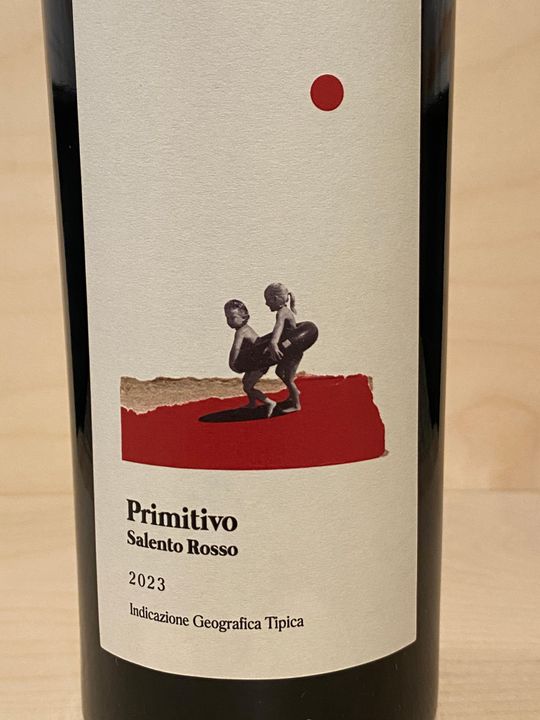
I Buongiorno Primitivo Salento Rosso 2023: Salento, Puglia, Italy
Grape: Primitivo Owner, winemaker, sommelier, and restaurateur Teodosio is redefining Puglia with elegant, balanced, and incredibly food-friendly wines. Imported by Mary Taylor, this sustainably produced Primitivo delivers outstanding value. Though Primitivo is genetically the same grape as California Zinfandel, Puglia's warm, sunny climate, mountainous terrain, and cooling Adriatic breezes create a fresher, more restrained expression with vibrant acidity and balance. Brambly blackberry, raspberry, and wild strawberry lead the palate, followed by hints of licorice and cracked black pepper. Juicy rather than jammy, the wine is lifted by bright acidity and framed by fine tannins, making it an easy match for hearty pasta, grilled sausages, barbecue ribs, or other comfort food favorites.OUT OF STOCK$28.00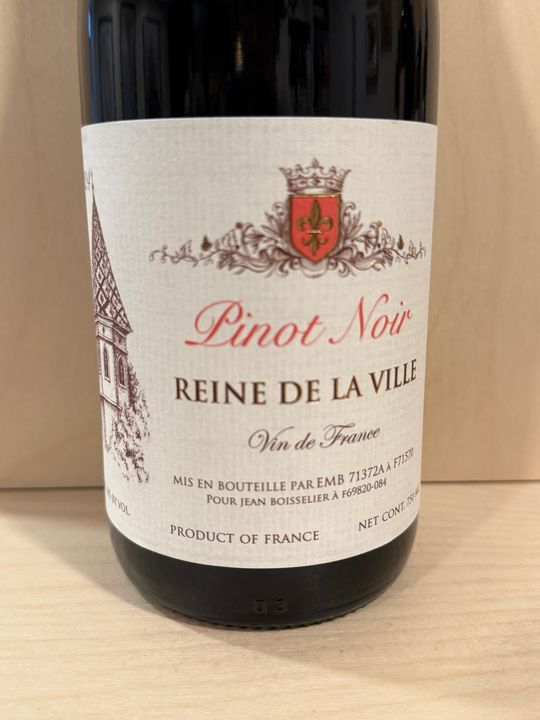
J.M. Aujoux "Reine de la Ville" Pinot Noir 2024: France
Pop & Pour Pinot Noir! Who knew great Pinot Noir values still existed in France?! Pale ruby in color and bright and aromatic from the first pour, with loads of red cherry, a little juicy plum and pretty floral notes. This isn't the earthy, tobacco-driven side of Pinot Noir you might associate with Burgundy. This is fresh, fruity, bistro-style Pinot Noir made for drinking, not contemplating. Reine de la Ville comes from J.M. Aujoux, a family-owned wine merchant based in Fleurie since 1938. Each vintage, winemaker Jean-Marc Darbon tastes through Pinot Noir from longtime growers across Beaujolais and the Mâconnais, selecting lots from both young and old vines for the final blend. That freedom is exactly why you'll see the broader Vin de France designation on the bottle, and it helps explain how they deliver this much Pinot for the price. Aged for at least six months in stainless steel, it's juicy, light on its feet and ready to go the second you pull the cork.$22.00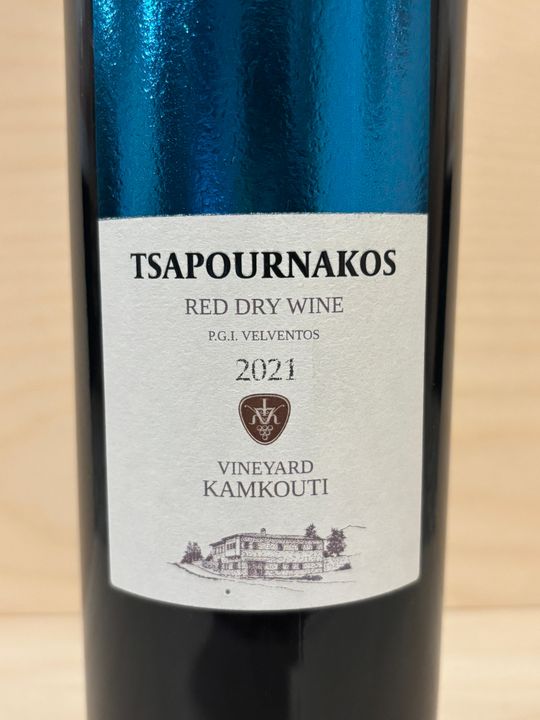
Kamkouti Vineyards Tsapournakos Red 2021: Velventos, Macedonia, Greece
Grape: Tsapournakos (AKA Cabernet Franc) Region/History Notes: From the mountain village of Velventos in northern Greece, this wine is made from Tsapournakos, a local clone of Cabernet Franc. Nestled near Lake Polyfytos, the region’s high-elevation vineyards, cooling breezes, and rocky soils preserve freshness while allowing full ripeness and aromatic complexity. The long, even growing season helps develop both structure and nuance in the wine. Kamkouti is part of a new wave of Greek producers focused on low-intervention farming and expressing international varieties through a distinctly Greek lens. Tasting Notes: This wine bursts with bold plum fruit layered with red and purple florals, black pepper, smoky woodsy aromatics, and a savory olive note on the finish. Medium-bodied and fruit-forward, it also carries rustic tannins and a flirtatious, lively character. Pair it with grilled burgers topped with bacon jam and Gruyère for an unforgettable match.$29.00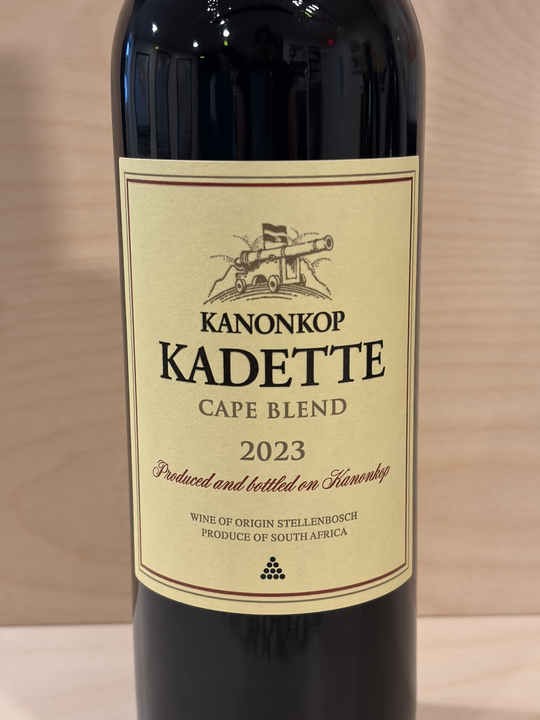
Kanonkop Kadette Cape Blend 2023: Stellenbosch, South Africa
Grapes: Pinotage/Merlot/Cabernet Sauvignon/Cabernet Franc/Petit Verdot The name Kanonkop comes from a hillock, or “kop,” on Simonsberg Mountain above the winery. In the 17th and 18th centuries, a cannon, or “kanon,” was fired to announce ships entering Table Bay, signaling farmers to bring fresh produce to the harbor for trade. Kanonkop produced its first estate vintage in 1973, but growing demand led to the creation of the Kadette line in the mid-1980s. Stewed tomatoes and cherries mingle with spice box and wet clay, creating a delicious mix of earthy, savory, and fresh fruit. A craveable medium-bodied red made for fun, with mild pepper, juicy fruit, and just enough crushed-velvet tannin to keep things lively. Pair with Korean BBQ-spiced skirt steak!OUT OF STOCK$29.00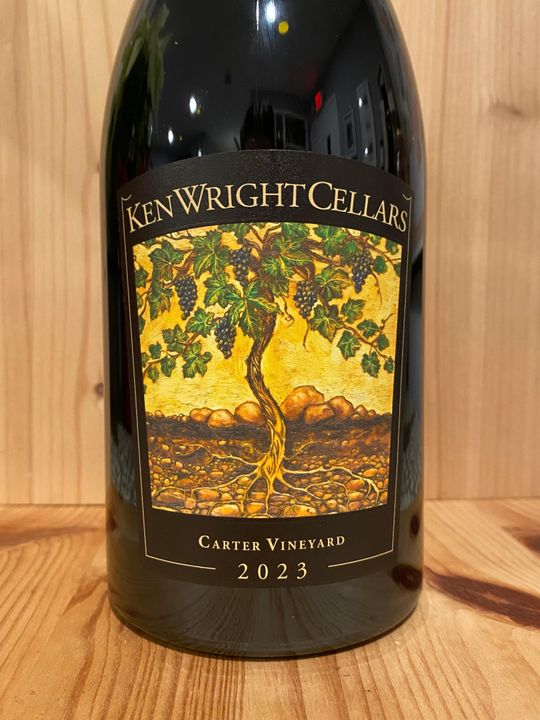
Ken Wright Cellars Carter Vineyard Pinot Noir 2023: Eola-Amity Hills, Oregon
Grape: Pinot Noir Region/History Notes: Two primary soil types can be found in the Willamette Valley: marine sedimentary soils and volcanic soils. More producers are focusing on single vineyard Pinot Noirs highlighting different soil types since Pinot Noir is a grape that expresses minute variations in terroir so easily. Ken Wright was a pioneer of making Pinot Noir this way. Carter Vineyard was planted in 1983 and at 325 ft elevation, it escaped the sedimentary deposits, known instead for its intense volcanic soil base which results in a more salty, vibrant, and linear style of Pinot Noir. Tasting Notes: While it's a shame to drink this so young (it will easily age for 7-10 years if you’re patient) I just can’t wait! Tangy red plums mix with spicy notes of tobacco and damp forest floor. The woodsy finish lingers for days, balancing the voluptuous fruit that coats the whole palate. Serve this captivating and enticing wine with roasted duck over mushroom risotto!$89.00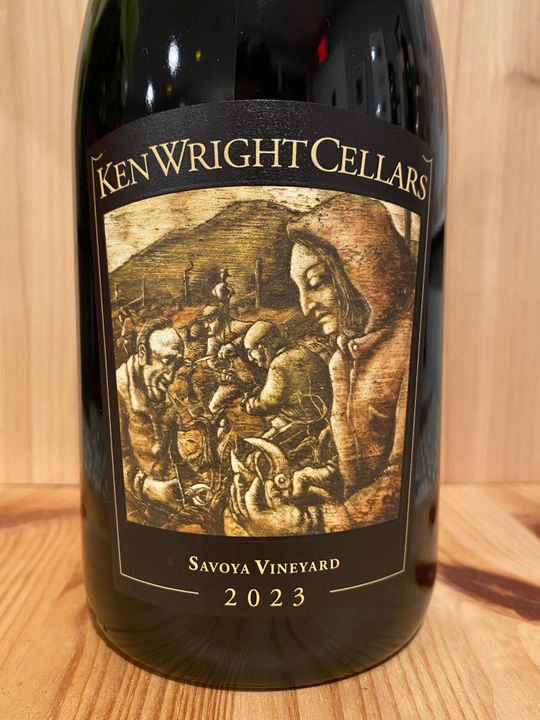
Ken Wright Cellars Savoya Vineyard Pinot Noir 2023: Yamhill-Carlton, Oregon
Grape: Pinot Noir Yamhill-Carlton is a horseshoe-shaped AVA that lies in the Willamette Valley of Oregon, and like the rest of the state is known for its exceptional examples of Pinot Noir. The primary soil type that characterizes the AVA is known as Willakenzie; these marine sedimentary soils were deposited by the uplift of an ancient sea floor and are among the oldest soils in the Willamette Valley. Covered by a layer of sandy loam, Willakenzie soil is very free-draining and encourages low vigor as well as early ripening. The Savoya vineyard was planted between 1999 and 2003 and lies at 350-450 elevation. Of his single-vineyard bottlings that we brought in, I found Savoya to be the one that reminded me the most of Burgundy with its savory mushroom notes, spice, tart red berries, and elegant florals. Drink this now if you must with an hour in a decanter, but ideally hold for another 5-10 years!$89.00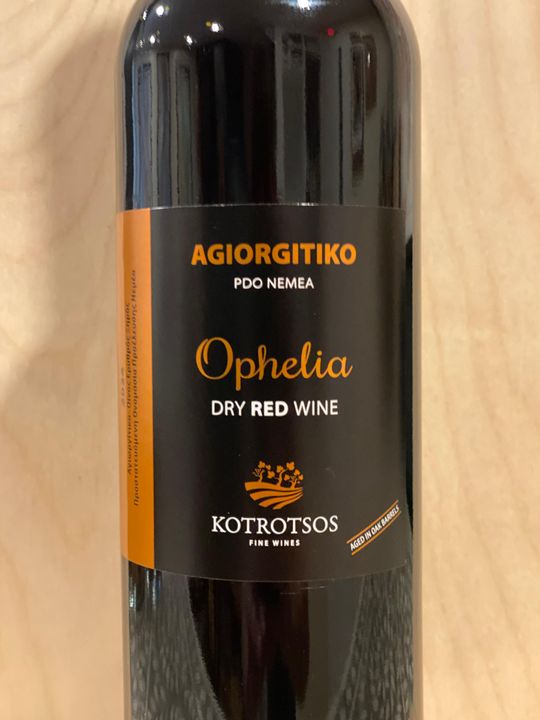
Kotrotsos "Ophelia" Agiorgitiko 2024: Nemea, Greece
Grapes: Agiorgitiko Region/History Notes: Nemea is Greece’s largest red wine appellation, located in the northeastern Peloponnese, with winemaking dating back to at least the 5th century BCE! Its wines are sometimes called the “Blood of Heracles,” a nod to the hero who slayed the Nemean Lion. Native Agiorgitiko thrives in this Mediterranean climate, producing everything from lighter, easy drinking wines and sweet styles to bold reds built for aging. Tasting Notes: Don’t let the lighter color fool you! Black cherry candies mingle with wet potting soil and new wood furniture on the nose, leading into a punchy burst of tart, sour candy acidity. Mouth coating tannins bring plenty of texture, while a little vanilla latte sneaks in on the finish. This wine has more muscle than it lets on! Pair with stuffed cabbage or peppers smothered in a hearty tomato sauce!$17.00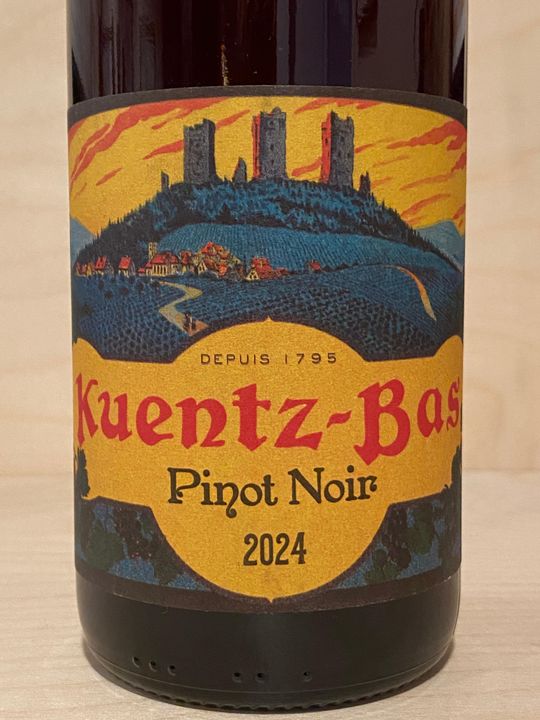
Kuentz-Bas Pinot Noir 2024: Alsace, France
Grape: Pinot Noir Region/History Notes: Kuentz-Bas was founded in 1795 near the village of Husseren-les-Châteaux. At around 1,300 feet in elevation, its vineyards are among the highest in Alsace, a region bordering Germany and renowned for its sunny, dry climate thanks to the rain shadow of the Vosges Mountains. Current owner Jean-Baptiste Adam purchased the estate from the founding family in 2004 and introduced biodynamic farming, further emphasizing the estate’s focus on terroir-driven wines. More than 90% of Alsace’s production is white wine, while Pinot Noir is the only red grape permitted for Alsace AOC wines so this one’s a special treat! Tasting Notes: Silky and nuanced, with layers of ripe raspberry, tart cherry pits, and black tea, all connected by a subtle savory earthiness. Complex enough to enjoy on its it own, it would also make fantastic match for a fall-inspired dish like roasted butternut squash with sage and duck drizzled with a cherry reduction sauce!$40.00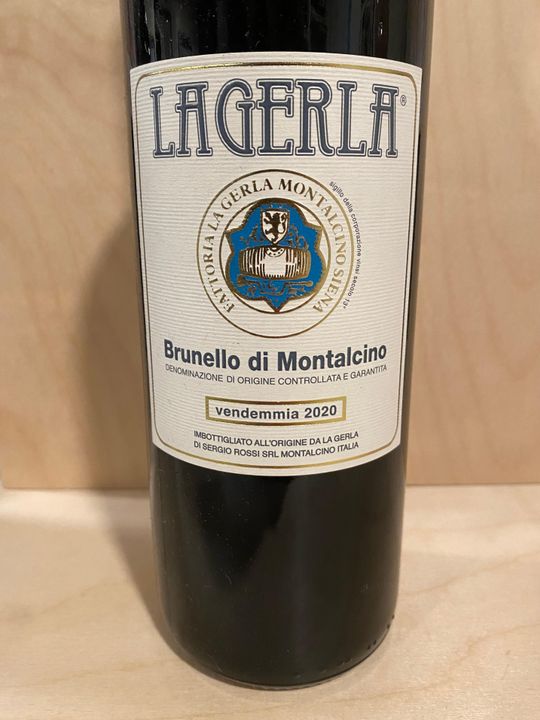
La Gerla Brunello di Montalcino 2020
$118.00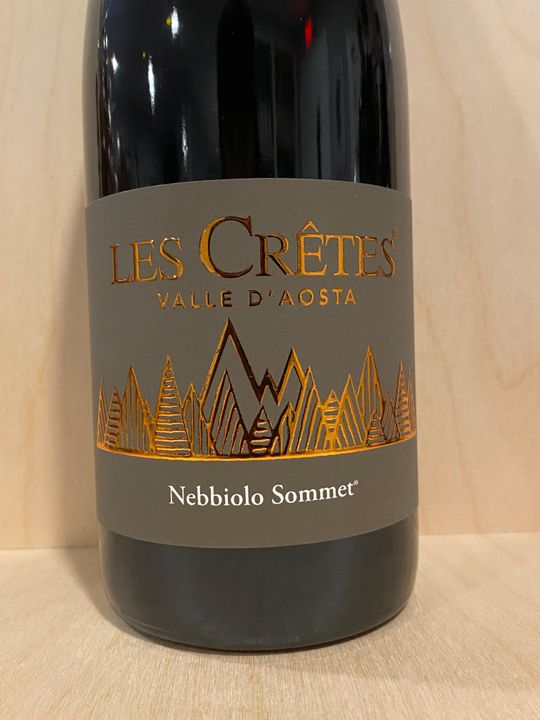
Les Crêtes "Sommet" Nebbiolo 2019: Vallé d'Aosta, Italy
Grape: Nebbiolo Valle d’Aosta is Italy’s smallest region, both in terms of size and wine production. The climate is continental and strongly affected by the surrounding Alps; the French Alps to the west create a rain shadow effect, meaning that the region sees very little rainfall and abundant sunshine. Combine this with high elevations and diurnal temperature shifts, and you’ve got a recipe for great wine! Les Crêtes was founded in 1989 and is one of the few family-owned commercial wineries in this cooperative-dominant wine region. Tasting Notes: Aromas of pine needles, blackberries, black licorice, nutmeg, and roasted spices make you think that this wine will be quite intense on the palate, but it’s really quite bright & fresh with a much more approachable acid and tannin structure than what you’ll find in Piedmont. Pair with a creamy butternut squash risotto!$73.00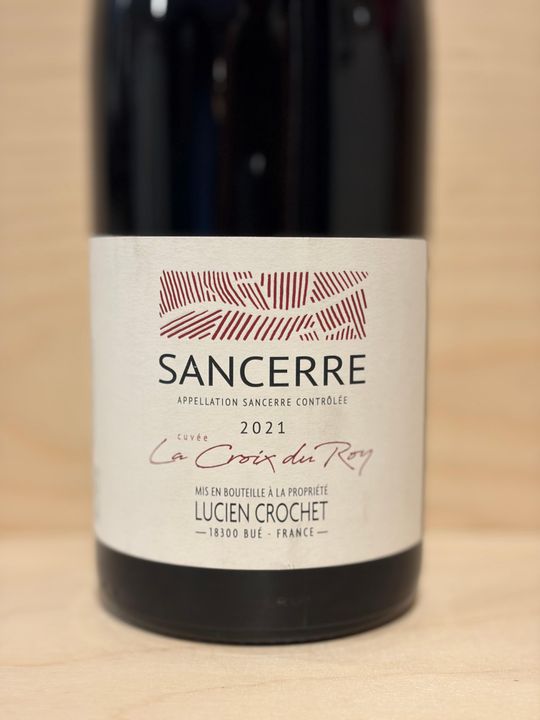
Lucien Crochet "La Croix du Roy" Sancerre Rouge 2021: Loire Valley, France
Grape: Pinot Noir Region/History: Sancerre is primarily known for its flinty, racy, mineral-driven expression of Sauvignon Blanc, but in this bottle you will see what this region can do for Pinot Noir! Sancerre is an ideal place to grow Pinot Noir due to its cooler temperatures and Kimmeridgian limestone soils, and Lucien Crochet is considered one of the top producers in this region. These Pinot Noir grapes are hand-selected from 40+ year old vines to ensure that each bottle is a true expression of the unique terroir of this region. The wines are aged in French oak and are never released until they’re truly ready. Tasting: Take your time with this older wine–it needs a few minutes to open up! With its age the nose presents hints of dried cherry, herbs, and mushrooms. But don’t be fooled as the acid is still very much present and ready to pair with herb-crusted pork roast, or goat cheese with roasted red peppers.$57.00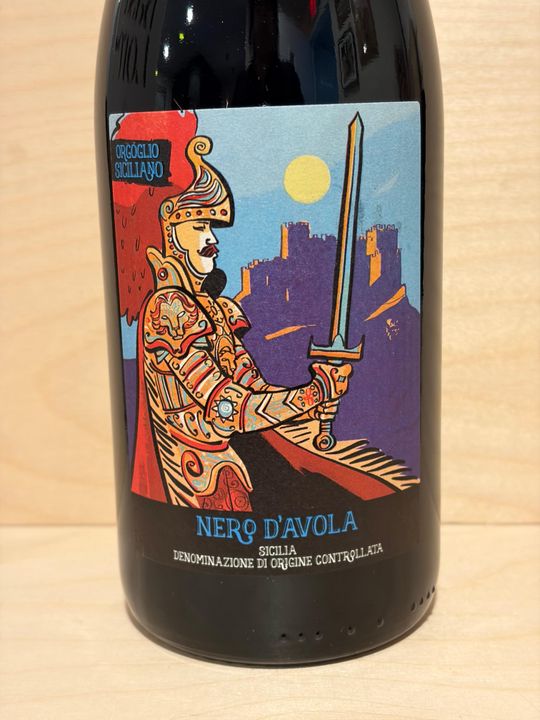
Madaudo "Orgoglio Siciliano" Nero d'Avola 2021: Sicilia, Italy
Grapes: Nero d’Avola Region/History Notes: Also known as Calabrese, Nero d'Avola is considered Sicily's most important red grape variety. Once used almost exclusively for blending, it is now widely produced as a single-varietal wine in a range of styles. Depending on the winemaker's vision, Nero d'Avola can be crafted into structured, age-worthy wines with firm tannins and complexity or fresh, fruit-forward bottlings that are approachable and perfect for everyday enjoyment. This one falls into the latter category, so don't overthink it. Pop the cork and enjoy! Tasting Notes: A juicy nose of purple plum, baked black cherries, red clay, and bay leaves becomes more woodsy as the wine opens in the glass. Just six months in large-format barriques softens the bright, tart fruit without letting the oak steal the show. Fresh acidity and mild tannins make this an easy match for BBQ chicken pizza with a generous sprinkle of crispy bacon!$19.00Maison Ogier Lirac "Le Petit Prince" 2023: Lirac, Southern Rhône Valley, France
Grapes: Grenache/Syrah/Cinsault Region/History Notes: Lirac lies on the west bank of the Rhône River directly across from Châteauneuf-du-Pape, sharing the same sun-soaked terraces, galets roulés stones, and Mediterranean climate that define Southern Rhône reds. Maison Ogier, a historic Rhône Valley négociant founded in 1859, sources fruit from trusted growers across the appellation. Grenache leads the blend, supported by Syrah and Cinsault, creating a wine with classic Rhône fruit, spice, and structure that remains approachable. Tasting Notes: Juicy black cherry and ripe raspberry lead into savory notes of cracked pepper, dried thyme, and baking spice. The palate is warm and generous with velvety tannins and a round texture, finishing with plum, blackberry compote, and hints of leather and garrigue. Great with grilled lamb, herb-roasted chicken, ratatouille, or sausage pizza.$28.00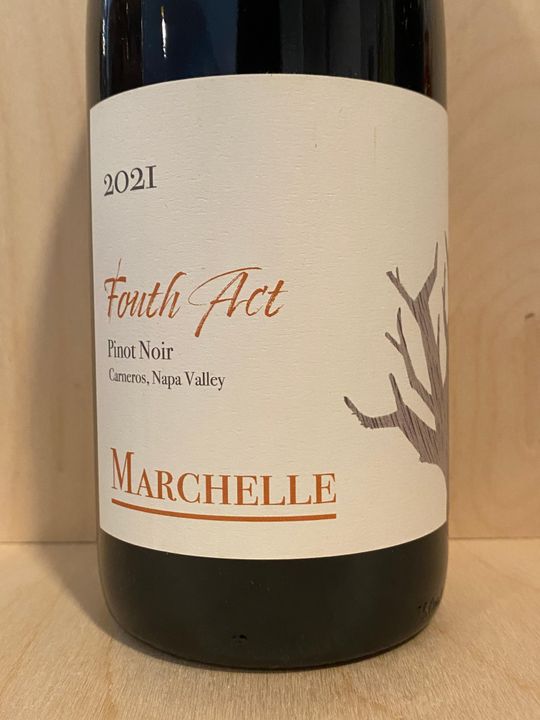
Marchelle by Greg La Follette "Fourth Act" Pinot Noir 2021: Carneros, Napa, California
Grape: Pinot Noir Greg La Follette, nicknamed “The Vine Whisperer,” is at the head of winemaking operations and has a knack for expressing the beauty and history of California’s heritage vineyards like few others. The Carneros AVA is one of the oldest in California, with vines first having been planted in 1830. The area is defined by its position nestled between Napa and Sonoma County directly north of the San Pablo Bay, whose rolling fogs shroud the vineyards in the mornings and make this one of the coolest AVAs in the summer months. So you won’t find Cabernet Sauvignon here, but Pinot Noir and Chardonnay instead! Greg’s “Fourth Act” Pinot Noir involves fully de-stemmed, but not crushed, grapes with 10% whole cluster at the bottom of the tanks. The wine ages in 25% new barrels for 17 months before bottling. Deep, focused, and full of dark fruit and spice, enjoy this cool-climate California Pinot after an hour in a decanter, or hold or 5 years!$65.00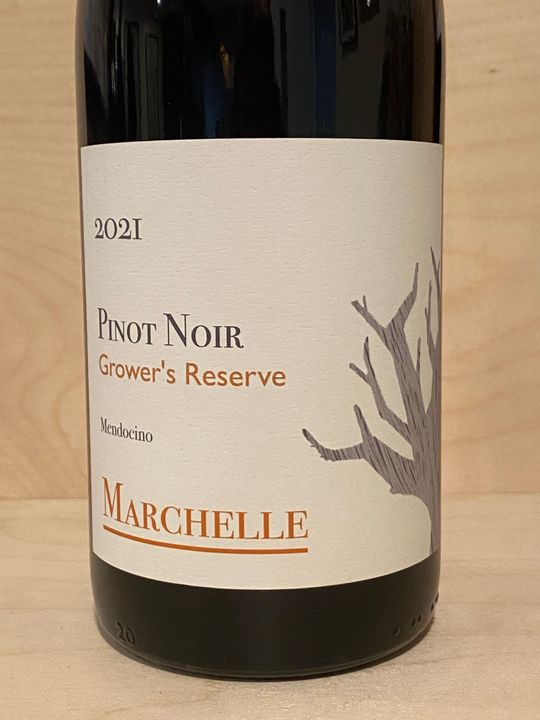
Marchelle by Greg La Follette "Grower's Reserve" Pinot Noir 2021: Mendocino
Grape: Pinot Noir Region/History Notes: The 2021 Grower’s Reserve brings together two dramatically cool Mendocino vineyards. Manchester Ridge sits 2,200 feet above the Pacific, above the fog line but still under strong maritime influence, bringing floral fruit, freshness and energy. Oppenlander Vineyard lies in a chilly, redwood-lined valley near Comptche and has been farmed by the Shandel family for five generations, contributing structure and savory depth. Greg La Follette aged the wine nearly 2 years in French oak, 18% new. Just 243 cases produced! Tasting Notes: Everything Greg La Follette makes is gold, with a perfect balance between richness, opulence and bodacious fruit, while still bringing structure and age-worthy character. Rich strawberries, blackberries, red rose petals crushed with dried leaves and moss bring a gorgeous earthy depth. Rich across the palate with a lingering finish. Pair it with pretty much anything, or nothing at all. This wine will make your night.$45.00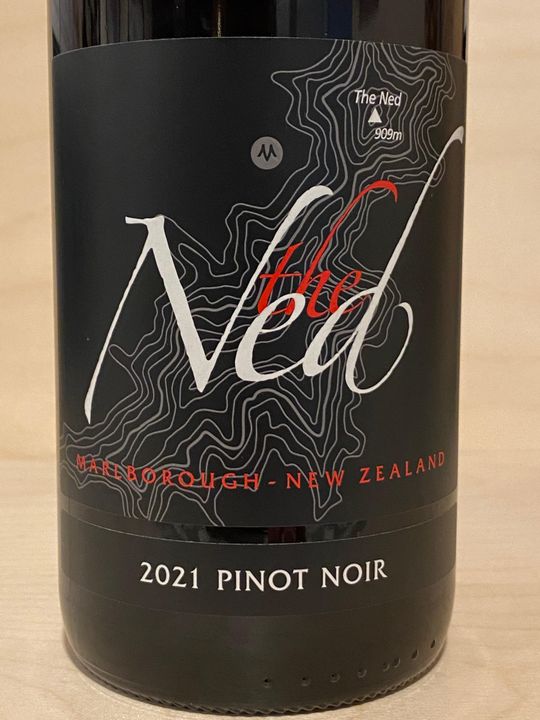
Marisco Vineyards "The Ned" Pinot Noir 2021: Marlborough, New Zealand
Grape: Pinot Noir Region/History Notes: Pinot Noir grows well in Marlborough’s fairly dry, cool, and sunny climate conditions. The region of Central Otago further south is recognized for producing the finest—and most expensive—styles of Pinot Noir in the country, but within Marlborough you’ll find delicious and oftentimes more pocket-friendly styles with fresh, fruity flavors. “The Ned” is one of several labels from the Marisco Vineyards and takes its name from a 900-meter peak that served as winemaker Brent Marris’ childhood playground. The Pinot Noir grapes in this bottling come from the clay-rich loam soils of Marlborough’s Southern Valleys, and the wine is aged is a combination of stainless steel and French oak puncheons for 9 months before bottling. Tasting Notes: Juicy and fruit-forward, this wine bursts with red fruits and spice with a touch of sweet tobacco and cigar box qualities that are accentuated on the palate. Pair with maple-glazed salmon and wild rice!$30.00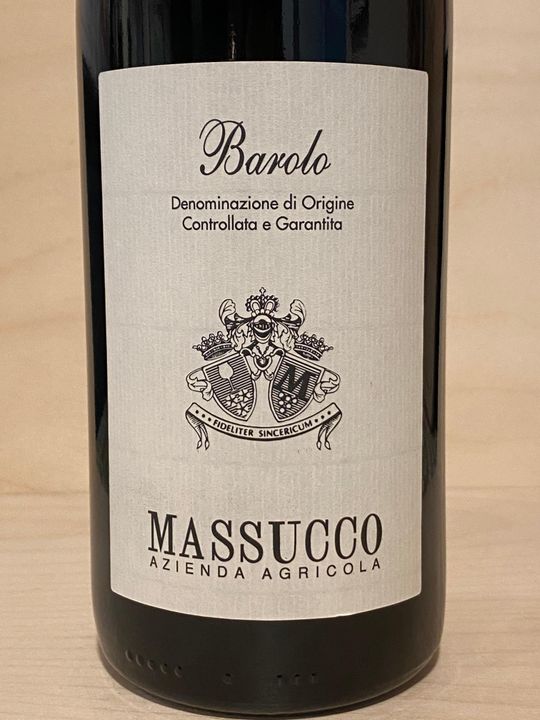
Massucco Barolo DOCG 2019: Piedmont, Italy
$60.00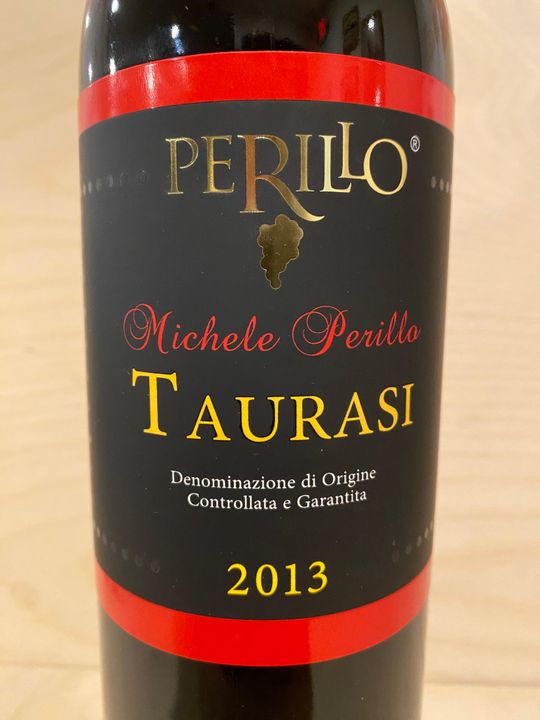
Michele Perillo Taurasi 2013: Campania, Italy
Grape: Aglianico Aglianico is grown in the volcanic vineyards of Campania and makes some of the most intense wines I have ever tasted. Every aspect of Taurasi is level 12 out of 10: the acid/tannins/fruit/aromatics/finish/structure! I got a chance to tour this area of Campania in 2018 and was amazed by the terroir and history here. In Taurasi you can find some of the oldest vines in the world- planted in the early to mid 1800's and grown almost like trees- trellised super high above the ground. The soil is straight up volcanic ash that is so powdery it lingers in the air after being stirred as well as weathered basalt from previous surrounding eruptions. There are 17 villages in Taurasi but the best wines come from the South East Corner where it is higher elevation. Always decant and serve with big flavors like game, braised meats, strong cheeses and olives. These can age for 15+ years!$86.00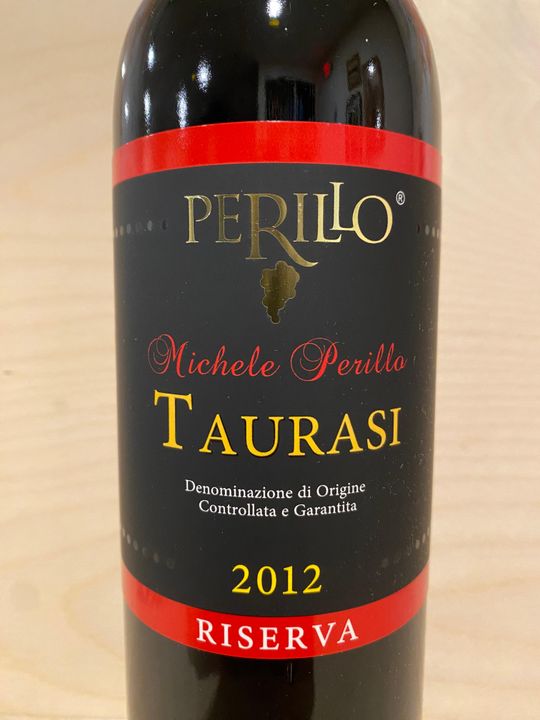
Michele Perillo Taurasi Riserva 2012: Campania, Italy
Grape: Aglianico Aglianico is grown in the volcanic vineyards of Campania and makes some of the most intense wines I have ever tasted. Every aspect of Taurasi is level 12 out of 10: the acid/tannins/fruit/aromatics/finish/structure. I got a chance to tour this area of Campania in 2018 and was amazed by the terroir and history here. In Taurasi you can find some of the oldest vines in the world- planted in the early to mid 1800's and are grown almost like trees- trellised super high above the ground. The soil is straight up volcanic ash that is so powdery it lingers in the air for 20 minutes after being stirred as well as weathered basalt from previous surrounding eruptions. There are 17 villages in Taurasi but the best wines come from the South East Corner where it is higher elevation. Always decant and serve with big flavors like game, braised meats, strong cheeses and olives. These can age for 15+ years!$105.00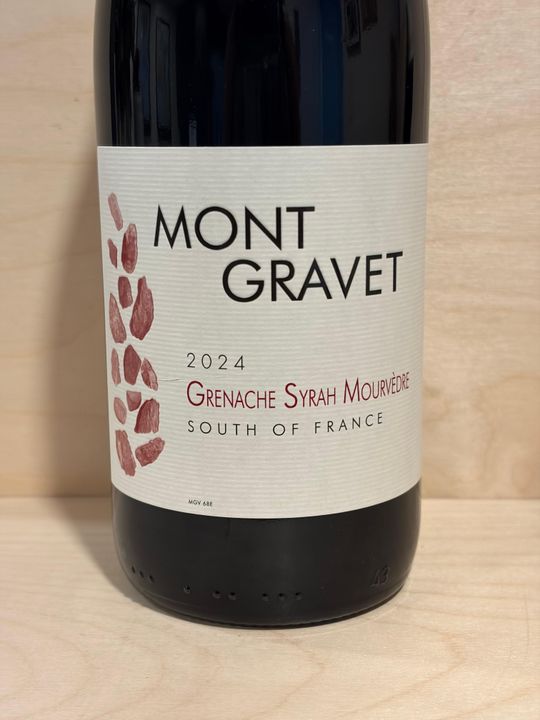
Mont Gravet Red Blend 2024: France
Grapes: Grenache/Syrah/Mourvèdre Region/History Notes: The Pays d’Oc IGP (Indication Géographique Protégée) stretches across the beautiful south of France along the Mediterranean Sea. Compared to the AOC/AOP classification system, French IGPs have fewer restrictions on viticulture and winemaking, which can mean lower prices for consumers, even when grapes are grown in the same areas as highly esteemed appellations. This blend of Grenache, Syrah, and Mourvèdre (about 1/3 each) comes from clay-limestone soils, helping give the wine both power and elegance. It’s aged for 5 months in French oak, adding a bit of spice to this fruit-forward blend! Tasting Notes: Juicy red and black fruit like plum and ripe berries, with a slightly earthy, savory character, warm baking spice, and grilled plum on the palate. Pair it with something slightly charred veggies from the grill, or a smash burger.$15.00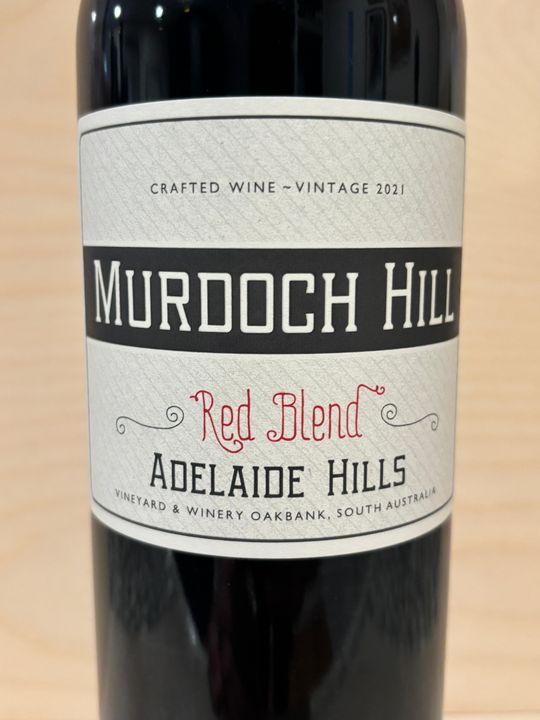
Murdoch Hill Red Blend 2021: Adelaide Hills, Australia
Grapes: Cabernet Sauvignon/Merlot, Sangiovese/Shiraz The cool climate and elevated slopes of Adelaide Hills continue to redefine Australian reds through restraint and site expression. Located near Oakbank at 420 meters elevation, Murdoch Hill benefited from the long, even 2021 growing season, considered one of the region’s standout vintages. The blend combines 57% Cabernet Sauvignon, 18% Merlot, 14% Sangiovese, and 11% Shiraz from east-facing slopes that preserve freshness through slow, steady ripening. Winemaker Michael Downer uses extended maceration and 10 months in mostly older French oak to emphasize texture and balance over power. Tasting Notes: Silky mouthfeel with a palate of refined plum, red currant, bell pepper, and a hint of leather, this wine is a more elegant expression of an Australian Cab blend than you might be used to. Pop and pour - no need to decant, this will pair perfectly with grilled chicken and mushrooms.$30.00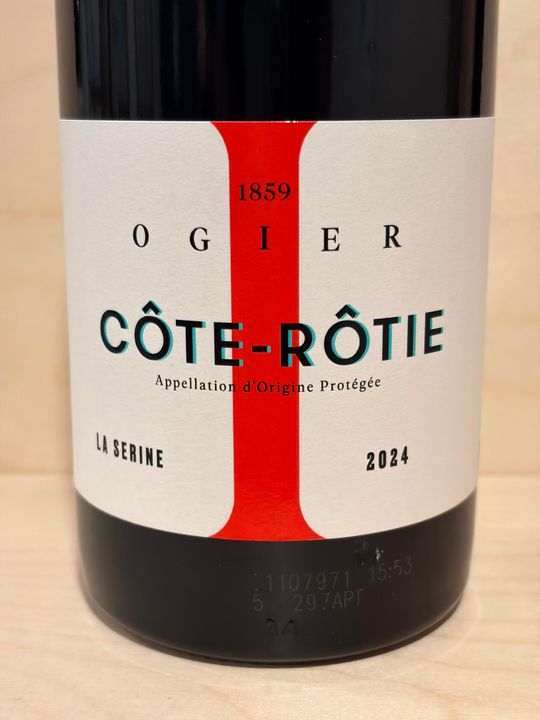
Ogier "La Serine" Côte-Rôtie 2024: Northern Rhône Valley, France
Grape: Syrah Region/History Notes: Côte Rôtie sits in the northern Rhône Valley where steep terraced vineyards cling dramatically to granite slopes. The name means “roasted slope,” referencing the sun drenched hillsides that help ripen Syrah in this otherwise cool climate. “La Serine” highlights an ancient local selection of Syrah believed to predate modern clones. These low yielding vines produce wines with deep concentration while maintaining the lifted aromatics and tension that define Côte Rôtie. Tasting Notes: Violets, galore! This is the most perfumed Syrah from Northern Rhône that I have ever experienced! White and pink peppercorn come out on the palate, which is surprisingly lifted and silky. If you’re used to the powerhouse meaty Syrahs of the Rhône, this will surely delight you. Plums, currants, and licorice fill out the midpalate, and the finish is just insanely long. I can’t wait for another sip… maybe another bottle! Pair with roast duck breast with a cherry compote.$150.00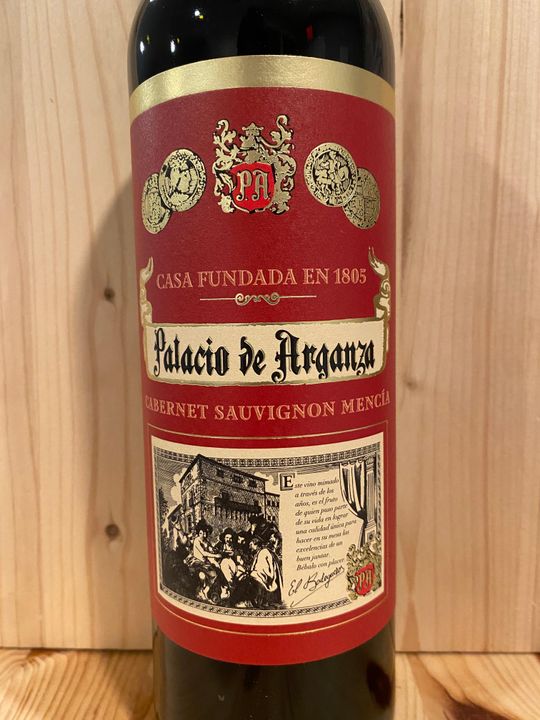
Palacio de Arganza Cabernet Sauvignon-Mencía 2023: Castilla y León, Spain
Grapes: Cabernet Sauvignon/Mencía Region Notes: Castilla y León is an expansive region that covers about 1/5 of Spain’s total land mass! Since it encompasses so many different sub regions, the climate, soils, and aspects of each region vary drastically. You can find some exceptional values as well as creative, off-the-beaten-path wines here! Tasting Notes: Mencía is a delicate and floral variety native to Galicia with fine tannins and mild acidity, a lovely wine that is soft-spoken. Cabernet is quite the opposite with big, brooding flavors and a bold structure with grippy tannins and high acid—sure to bulldoze the flavors of Mencía! But instead, I just love the way Mencía softens the angularity of the Cab and the Cab gives the Mencía the structure it needs to shine! Red plums, tart raspberry, and cassis with smoke, black pepper, and a pencil-shavings quality to the finish, the wine is charmingly rustic! Serve with a slight chill even, especially if drinking outside this summer.$23.00Pasanau "Ceps Nous" 2023: Priorat, Spain
Grape: Garnacha Region/History: This bold Spanish red hails from the steep, slate-rich 250-feet tall hills of Priorat, where ancient Garnatxa (AKA Garnacha) vines dig deep into the region’s iconic llicorella soils. Pasanau focuses on minimal intervention and the family's winemaking dates back to the 1850s. In1940, the great-grandfather of the current generation replanted post-phylloxera Carignan and Grenache blocks, an action considered instrumental in the varietal's legacy. Tasting Notes: Deep and powerful yet lifted by high-altitude freshness. Ripe black cherry, wild raspberry, dried thyme, lavender, and warm baking spice. The wine is structured and mineral-driven with subtle smokiness that gives complexity. Enjoy with a grilled ribeye or herb crusted lamb for your next date night!$43.00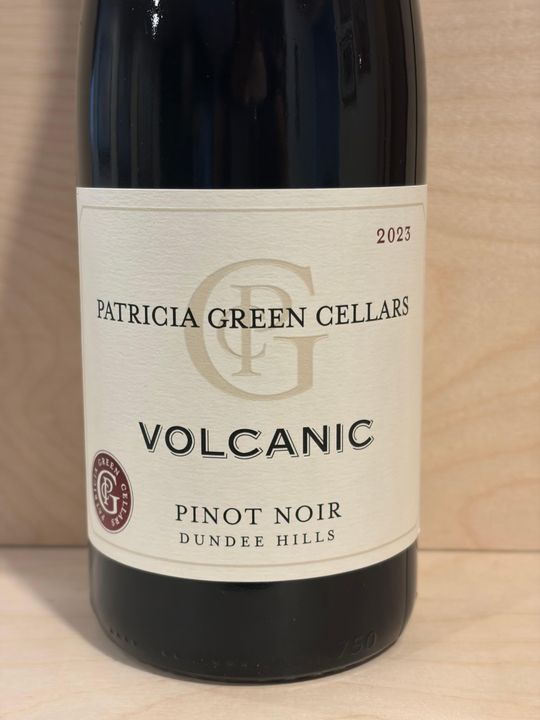
Patricia Green Cellars Volcanic Dundee Hills Pinot Noir 2025: Willamette Valley, Oregon
Grape: Pinot Noir Region/History Notes: The Dundee Hills sit in the northwestern Willamette Valley, shaped millions of years ago by volcanic activity along the “Ring of Fire.” The area is known for its Jory soils, a brick-red, iron-rich mix of clay, loam, and silt that retain just enough water to make dry-farming possible, as practiced at Patricia Green Cellars. The Volcanic Pinot Noir blends fruit from seven vineyard sites, mostly from 40–50-year-old organically farmed vines. Whole-cluster and partial whole-cluster fermentation add layers of herbal and spicy character to the dense fruit, followed by aging in neutral oak. Tasting Notes: Earthy and umami-driven, with sour black cherry, raspberry, and baking spice. Silky tannins, medium body, and lively acidity create a smooth, balanced finish. Pair with sautéed oyster mushrooms in herb butter!OUT OF STOCK$54.00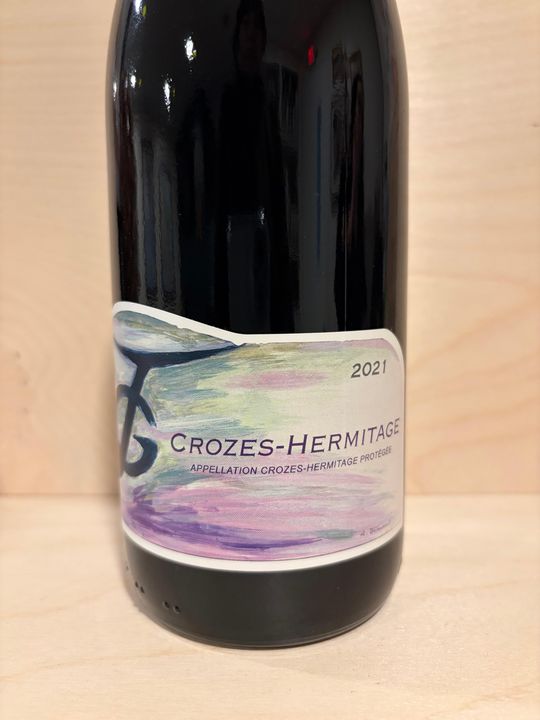
Pierre Gaillard Crozes-Hermitage 2021: Northern Rhône Valley, France
Grape: Syrah Produced in the Northern Rhône appellation of Crozes-Hermitage, this Syrah reflects the region’s cooler continental climate, shaped by Mistral winds and granite and alluvial soils. Terroir-driven vigneron Pierre Gaillard farms sustainably, harvests by hand, and uses oak with restraint to highlight—never overpower—the fruit, resulting in a wine with classic Northern Rhône savory depth and aromatic lift. Elegant and refined, the wine opens with blackberry, black currant, violet, and smoked meat aromas. Medium-bodied with fine, chalky tannins and bright natural acidity, it shows excellent poise and structure. Dark fruit layers mingle with olive tapenade and graphite, leading to a clean, linear finish. Effortlessly drinkable and delicious with roasted chicken, thyme, garlic, and lemon, or a mushroom and herb tart for a vegetarian pairing.$49.00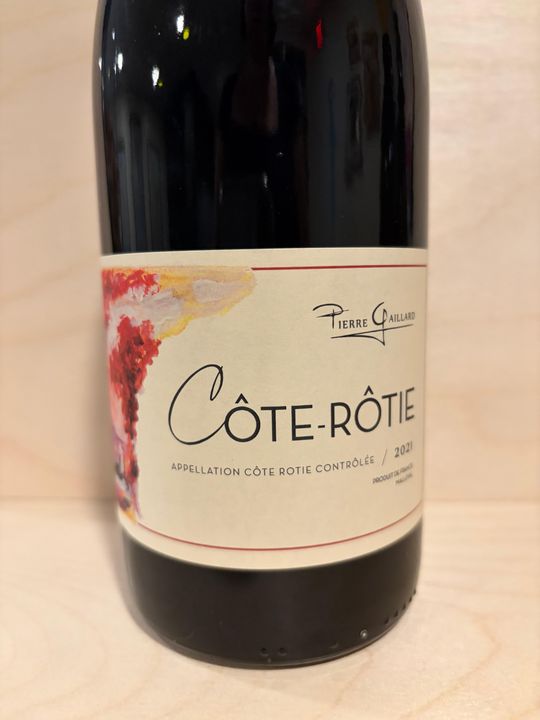
Pierre Gaillard Côte-Rôtie 2021: Rhône Valley, France
Grapes: Syrah/Viognier Region/History Notes: Côte-Rôtie—meaning “roasted slope”—is a tiny Northern Rhône appellation of just about one square mile, known for its steep, sun-drenched hillsides, some reaching 55 degrees. East- and southeast-facing slopes protect vines from the Mistral while maximizing sunlight. Heat-retaining schist and gneiss soils aid ripening. Following tradition, Pierre Gaillard co-ferments Syrah with 10% Viognier for aromatic lift and color stability. Fruit from two parcels is vinified separately and aged in barriques (30% new) before blending. Tasting Notes: Expressive and ever-evolving: stewed red plum and dried balsamic fig give way to worn leather and baking spice. Fine-grained tannins carry hints of vanilla and black pepper. Pair with lamb chops and cherry-balsamic reduction.$94.00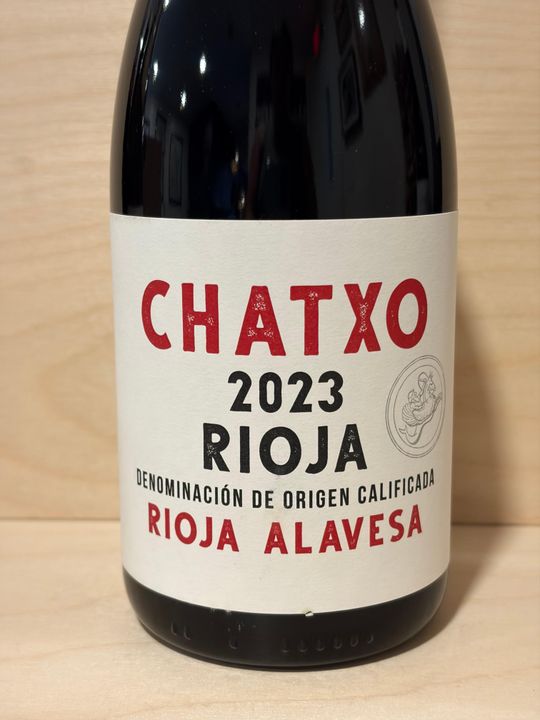
Piratas del Ebro "Chatxo" 2023: Rioja Alavesa, Spain
Grape: Tempranillo Region/History Notes: Spain’s Rioja wine region is divided into three primary sub-zones, with Rioja Alavesa at the northernmost part of the region. Known for its high-elevation vineyards and limestone-rich soils, some of Rioja's most elegant wines are produced here. Rioja Alavesa also lies within Spain's autonomous Basque Country, a region celebrated for its distinct language, culture, and world-renowned food scene. The name “Piratas del Ebro” (Pirates of the Ebro) honors the Phoenicians, believed to have introduced the first vines to Rioja via the Ebro River. This 100% Tempranillo comes from dry-farmed bush vines averaging 50 years of age and is aged primarily in stainless steel, with 25% matured in a combination of French and American oak. Tasting Notes: Juicy red plums, raspberries, a touch of cedar, and the faintest hint of vanilla from the American oak lead to grippy tannins on the palate balanced out by silky smooth finish. Pair with smoky grilled chorizo!$25.00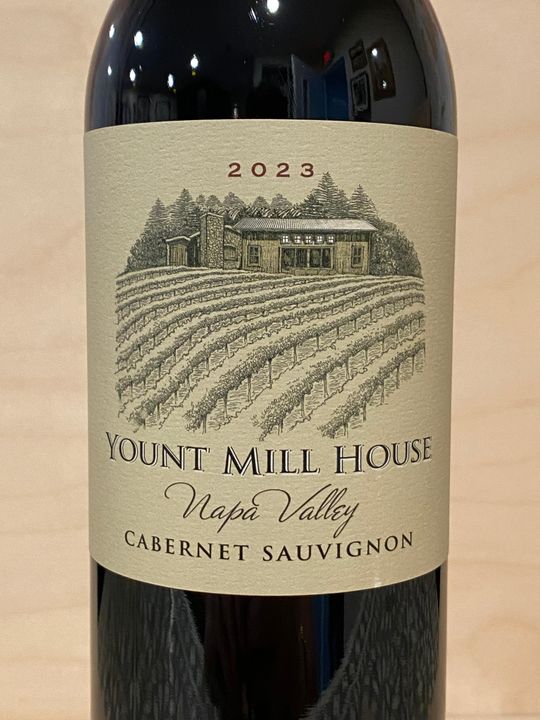
Pozzan "Yount Mill House" Cabernet Sauvignon 2023: Napa Valley, California
Grape: Cabernet sauvignon Region/History Notes: Yount Mill House is the newest label from Pozzan Family Winery, named after the historic Oakville house located on the border of Yountville. The family’s history dates back to the late 1800s in Italy’s Piedmont region, where Michael’s great-grandfather planted the family’s first vines. They later began farming 35 acres of Zinfandel in Sonoma. Today, Michael Pozzan has added several other varietals to the vineyards, with a continued focus on well-structured Cabernet Sauvignons. This wine is made from 100% Cabernet Sauvignon and aged for 22 months in French oak. Tasting Notes: Dense boysenberry jam with ripe blackberries and dried oregano fills the nose. This is not your overripe style of Cabernet Sauvignon, staying dry and textured on the palate with notes of black cherries and black tea leaves. This beauty could use a little richness to soften those tannins, so don’t be afraid to pair it with a juicy ribeye!OUT OF STOCK$32.00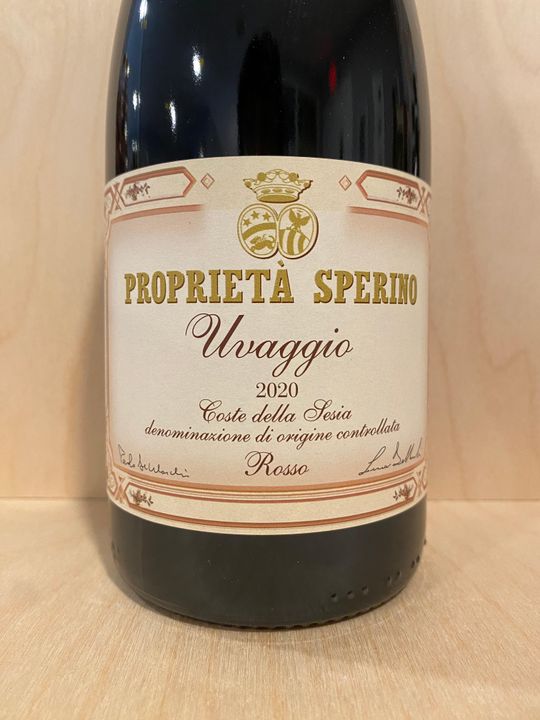
Proprietà Sperino "Uvaggio" Coste della Sesia Rosso 2020: Piedmont, Italy
Grapes: Nebbiolo/Croatina/Vespolina Region/History Notes: A unique wine made in the traditional Italian style of uvaggio, where different grape varieties are blended before fermentation rather than after. Co-fermentation is a risky process, requiring every variety to reach optimal ripeness at the same time, with no opportunity to adjust the blend later. Founded in 1996, Coste della Sesia farms vineyards ranging from 660 to 1,970 feet in elevation, capturing the remarkable diversity of the region's terroir in every bottle. Tasting Notes: A gorgeous garnet color fills the glass. The nose bursts with crushed red cherries, pits and all, layered with antique wood furniture and dried oregano. The palate is surprisingly generous, with dusty tannins and rounded acidity that lift the wine's elegant fruit and delicate florals. Like most Italian wines, this one shines with food, especially an earthy mushroom pasta.$48.00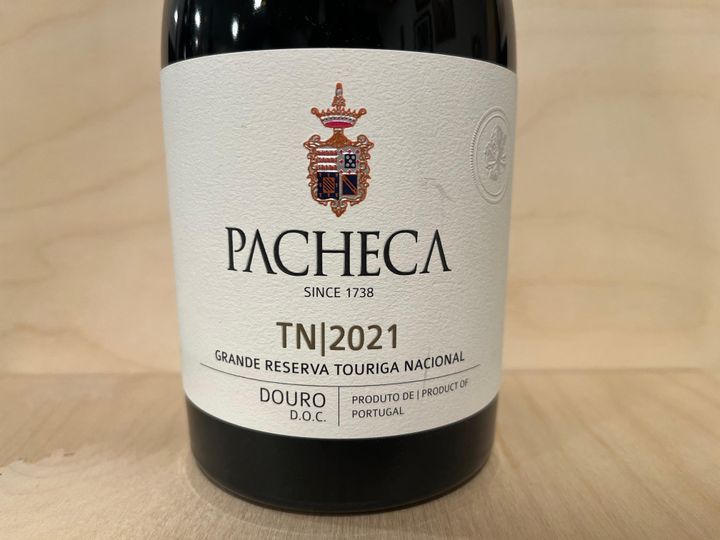
Quinta da Pacheca Grand Reserva Touriga Nacional 2021: Douro, Portugal
Grape: Touriga Nacional Region/History Notes: The Douro Valley in northern Portugal has steep, terraced vineyards rooted in schist soils and a hot, dry climate create the perfect conditions for their many native grapes to thrive. Touriga Nacional, the region’s star variety with a rich local history, flourishes in this rugged terrain. Known for its small, thick-skinned berries, it produces deeply colored, structured wines bursting with dark fruit, violet, and spice. While usually a key player in blends, this bottling is 100% Touriga Nacional. Pacheca, a family-owned winery since 1738, stands out among Douro’s mostly British-owned producers. Tasting Notes: Leather, tobacco, spice—oh my! But it’s not all savory; this wine also overflows with damson plums, black cherries, and dried violets, creating a whirlwind of flavors. Decant for at least an hour to let its delicate notes bloom, and serve with ribeye steaks.$52.00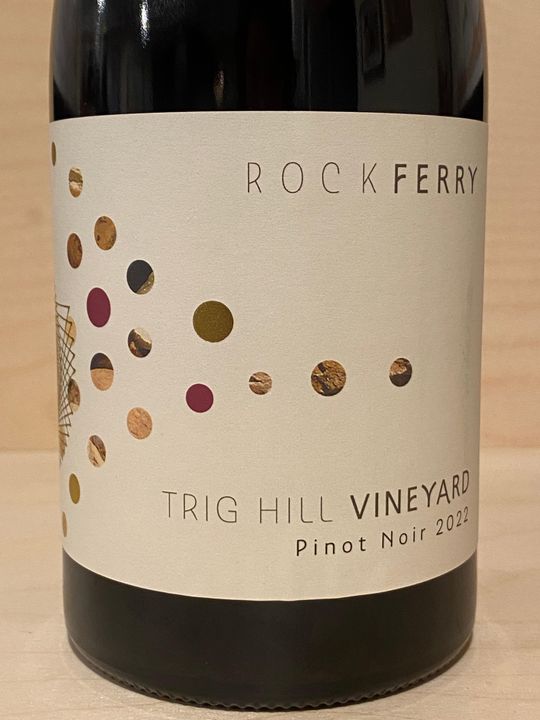
Rock Ferry "Trig Hill Vineyard" Pinot Noir 2022: Otago, New Zealand
Grape: Pinot Noir Region/History Notes: Coming from the southernmost commercial wine-growing region in the world, Central Otago has slowly become famous for its Pinot Noirs. These grapes were hand-harvested and fermented in large French oak cuves, with about 15% of the fruit left whole cluster. Daily punch-downs and pump-overs encouraged rich tannin development, while malolactic fermentation added an extra layer of softness. Tasting Notes: Bright spiced cherries and wild strawberries lead the nose, joined by green fennel fronds steeped in vanilla cream over a base of wet red clay, dried mushrooms, and woodsy cedar. With so much happening aromatically, you might expect this wine to be a little rambunctious on the palate, but it shows surprising elegance, offering whole sour cherries alongside hints of fresh potting soil before finishing with grippy spice-box notes. I recommend letting this wine breathe for 20–30 minutes while you grill herbed pork chops and potatoes to pair with.$55.00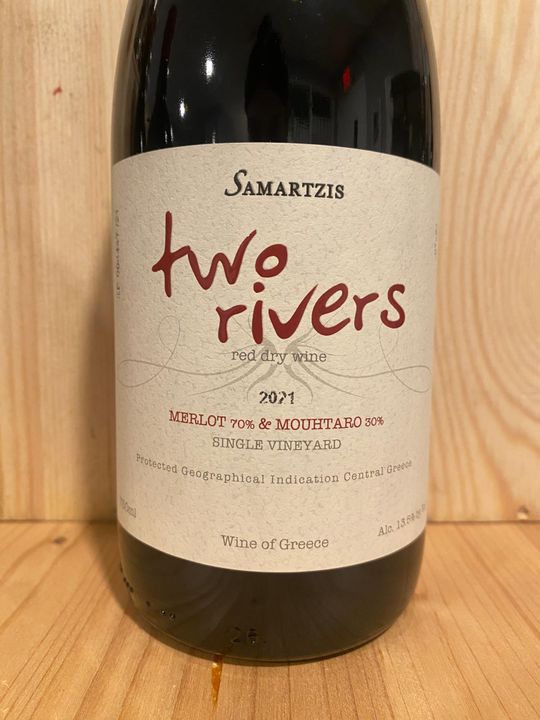
Samartzis "Two Rivers" 2021: Central Greece
Grapes: Merlot/Mouhtaro Region/History Notes: Mourvèdre, as it’s known in France, is a grape that goes by many names. In Spain it’s known as Monastrell, in California and Australia as Mataro, and in Greece as Mouhtaro. It can be a tricky grape to both grow and drink, as it’s late-ripening in the vineyard and tends to produce wines that are tough, tannic, and almost animalistic in their youth. The varietal Mouhtaro that I had the chance to taste from Samartzis was one of the most uniquely flamboyant and divisive expressions I’ve ever tasted of the grape, so when I tasted this blend I knew it was the gateway into Mouhtaro that I needed to share with you all! Tasting Notes: Damson plums and wild black cherries, licorice, rose hip, and pink cotton candy—woah!! Both the Merlot in the blend and the 4 years of bottle aging help to soften the Mouhtaro’s angularity, lending a silkier texture and supple tannins to the wine. Pair with smoky BBQ, roasted lamb, or just sip by the fire!$25.00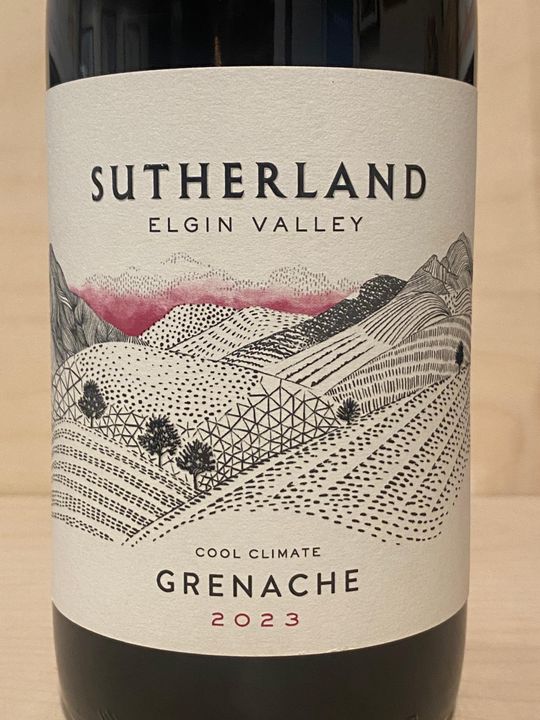
Sutherland Grenache 2023: Stellenbosch, South Africa
Grape: Grenache Region/History Notes: Grenache is quite the chameleon. Vine age, soil, climate, aspect and winemaking can transform it into wildly different expressions. And while you know I hate using the F-word in wine, aka “favorite,” I *might* have a favorite style of Grenache, and if I did, this is it! From Sutherland’s cool Elgin vineyards, just 9 km from the Atlantic, comes a lighter, more aromatic expression focused on florals, herbs and silky texture rather than sheer extraction. Tasting Notes: Macerated strawberries, red plums and Rainier cherries slowly open into savory layers of pencil shavings, pink peppercorn, fresh lavender and dried oregano. The tannins are silky smooth, the texture vibrant, and the long, expressive finish remains beautifully delicate. Pair with grilled salmon, bonus points for a cedar plank, or Italian sausage and peppers.$27.00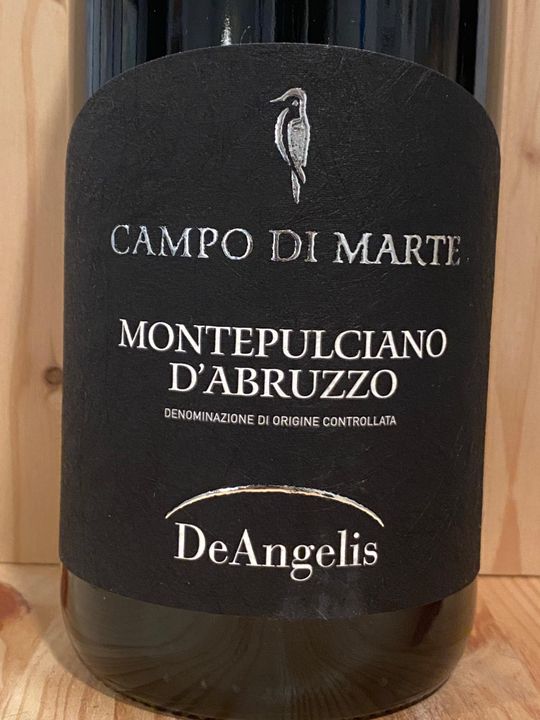
Tenuta DeAngelis Montepulciano d'Abruzzo 2024: Abruzzo, Italy
Grape: Montepulciano History/Region Notes: I have now featured EVERY WINE that this producer has available in the US! There are very few producers that I trust this much especially in this price range, but they knock it out of the park. This boutique producer does everything 100% organically and has vineyards in Abruzzo and Marche (just south of Abruzzo) along the Adriatic Sea, which keeps the climate mild. The Montepulciano grape (pronounced mont-eh-pull-chi-AH-no) is not to be confused with the village of Montepulciano in Tuscany which is known for its Sangiovese grapes—confusing, I know! Tasting Notes: Every Montepulciano should have chewy plums with pops of pepper, red flowers, and a smoky finish and this wine has it in spades. Medium bodied and fruit-forward with a rustic structure, this is my Stromboli wine, my pair with all the leftovers wine, my grilled ham and cheese sandwiches wine, and my drink-it-because-I-need-a-glass-of-red wine!$20.00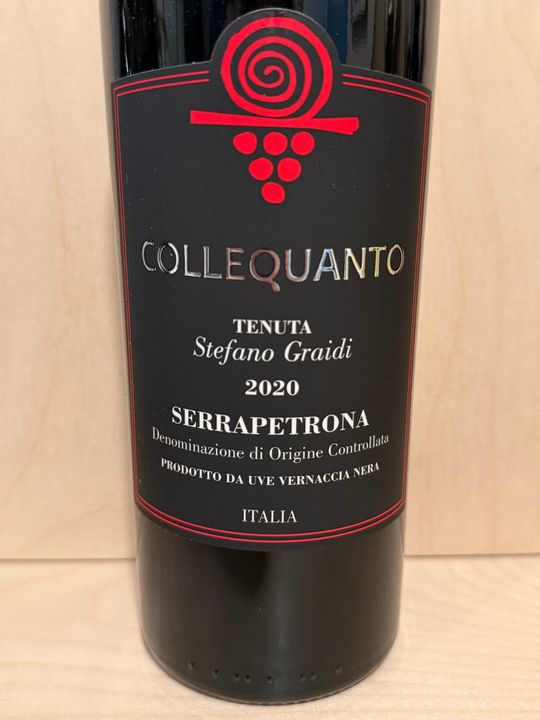
Terre di Serrapetrona "Collequanto" 2020: Marche, Italy
Grape: Vernaccia Nera Region/History Notes: Vernaccia Nera refers to a group of grape varieties grown in central Italy that have been shown to be genetically identical to Grenache/Garnacha. At Terre di Serrapetrona, 80% of the vineyards are devoted to this grape, which—especially at altitude—develops thick, tannic skins. For many red blends, including Collequanto, ~5% of the grapes undergo appassimento, a process in which grapes are dried before being destemmed and crushed. This concentrates sugars and enhances complexity. The wine is then aged in oak for two years. Tasting Notes: This is not the fruit-forward expression you might find in Spain. Still big and bold, it’s more masculine, with dusty tannins and notes of cedar, leather, tobacco, black pepper, and dried herbs. Pair with a big plate of Pasta Bolognese or herb-crusted meats!$59.00Terre Nere Prephylloxera Etna Rosso 2022: Italy
$225.00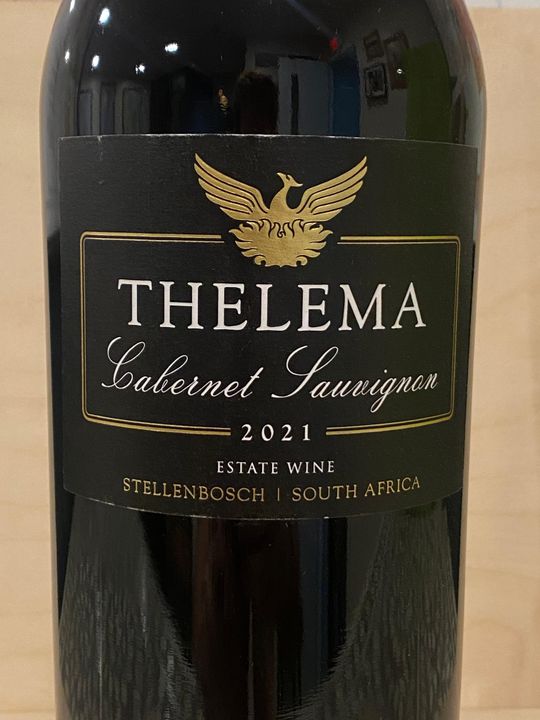
Thelema Cabernet Sauvignon 2021 1.5L Magnum: Stellenbosch, South Africa
Grape: Cabernet Sauvignon I got the chance to chat with Gyles Webb, founding winemaker of Thelema until well into the night, opening bottle after bottle as his stories kept coming and I was rapt with attention. Towards the end of the night I asked about how his wines have aged over the years—his first vintage was 1988 so he’s had some practice! He said he’d rather me decide for myself and opened up a 1995 Cabernet Sauvignon. None other then the same label as this wine, just a different vintage! It was absolutely incredible and I was blown away at how a Cab at this price-point could age so well for so long. But Gyles is known all around the world for his impeccable palate and his wines have always scored top points from the beginning, so I guess it comes as no surprise after all! This wine transports you to Bordeaux with its leathery, tobacco-laden base notes and red bell pepper high tones. The tannins are firm and assertive, but still approachable and the finish lasts for decades!$89.00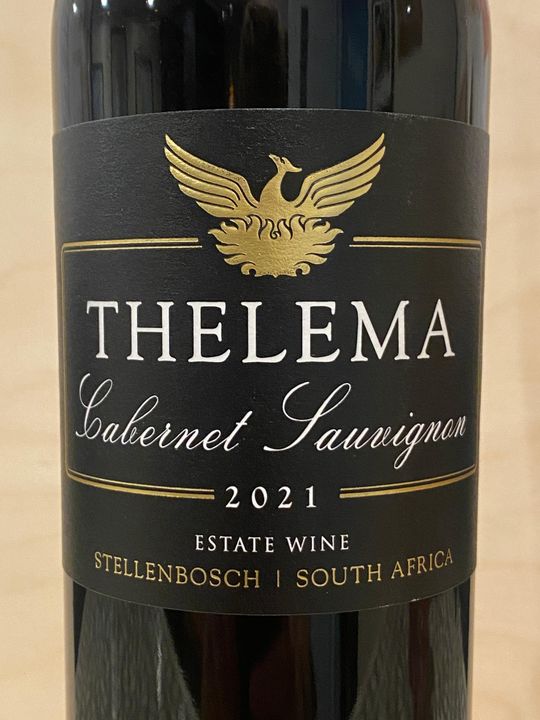
Thelema Cabernet Sauvignon 2021: Stellenbosch, South Africa
Grape: Cabernet Sauvignon I got the chance to chat with Gyles Webb, founding winemaker of Thelema until well into the night, opening bottle after bottle as his stories kept coming and I was rapt with attention. Towards the end of the night I asked about how his wines have aged over the years—his first vintage was 1988 so he’s had some practice! He said he’d rather me decide for myself and opened up a 1995 Cabernet Sauvignon. None other then the same label as this wine, just a different vintage! It was absolutely incredible and I was blown away at how a Cab at this price-point could age so well for so long. But Gyles is known all around the world for his impeccable palate and his wines have always scored top points from the beginning, so I guess it comes as no surprise after all! This wine transports you to Bordeaux with its leathery, tobacco-laden base notes and red bell pepper high tones. The tannins are firm and assertive, but still approachable and the finish lasts for decades!$46.00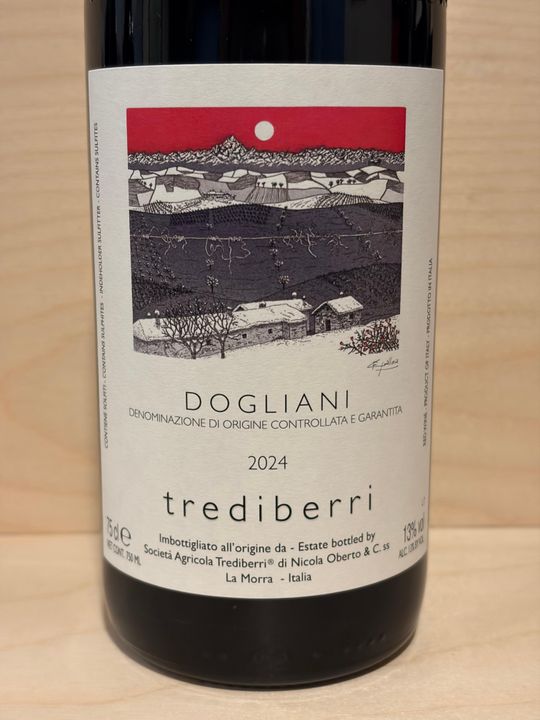
Trediberri Dolcetto 2025: Dogliani, Piedmont, Italy
Grape: Dolcetto Dolcetto means “little sweet one” not because the wines are made in a sweet style, but the small berries have super ripe fruit characteristics and can lead to making juicy, velvety, delightful red wines that are perfect with a wide range of food pairings. Dogliani (pronounced do-lee-AH-nee) only produces Dolcetto. Trediberri is a collaboration project between 3 friends that all started around the Berri Vineyard. They began their journey in 2011 without the heavy burden of family tradition to weigh them down and are producing incredible and innovative wines from Langhe in a fresher, easier-to-drink-while-young style. No oak aging on this bottling makes the wine approachable even when young unlike many wines from Langhe. Grippy tannic structure with bright acid make this a more serious style of Dolcetto but the velvety fruit and heady floral notes make it altogether a delight to drink. Serve with chicken enchiladas or tortilla soup!$40.00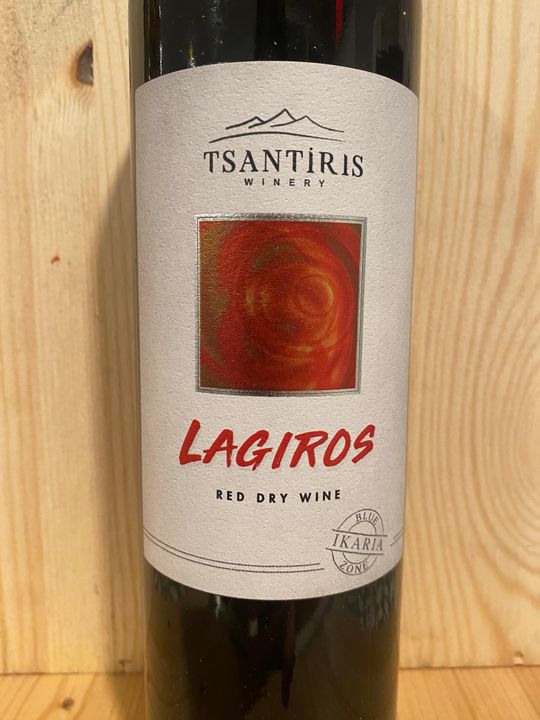
Tsantiris Winery "Lagiros" 2019: Ikaria, Greece
Grapes: Fokiano/Mantilaria Region/History Notes: Fokiano is an ancient variety that has since spread throughout Greece, but Ikaria is its home. The pale color to the skins makes red wines that are light in pigmentation, but not light in flavor! Mantilaria (AKA Mandilaria) in contrast has thick skins with deep, black coloring that adds both color and tannic structure to red blends in the region. Ikaria is one of Greece’s many islands in the Aegean sea, usually focused on Fokiano production. Tasting Notes: Bright, tart red fruit dominates the palate but is balanced by spice notes so the wine feels like it is equally lifting up and sinking in at the same time! Red currants, pomegranate, cherries along with white and pink peppercorn, and cinnamon sticks are the most obvious flavors, but as the wine opens up you’ll notice red floral notes that start to “bloom” so to say. The finish showcases some briny notes making me instantly crave a rustic pizza with extra olives on top!$34.00
Uva Non Grata Gamay 2023: Vin de France
Grape: Gamay Region/History Notes: Duc Philippe le Hardi is the ruler mentioned on the back of this wine label. This was his decree: “ a very bad and disloyal variety called Gaamez…is of such a kind that is very harmful to human creatures, so much so that people who had it in the past were infested by serious diseases, as we’ve heard; because said wine from said plant of said natures is full of significant and horrible bitterness. For this reason we solemnly command you… all who have said vines of said Gaamez to cut them down…” Luckily, Gamay, though it did face much disdain and discrimination since 1395, is still grown throughout the world and slowly but surely its reputation is improving! Tasting Notes: I love this juicy, fruit-forward style of Gamay--certainly not the bitter style that Duc Philippe le Hardi was talking about! Black cherry air heads and arugula with hints of black and pink peppercorn, this wine is fun, juicy, and vibrant. Serve chilled for taco night!$16.00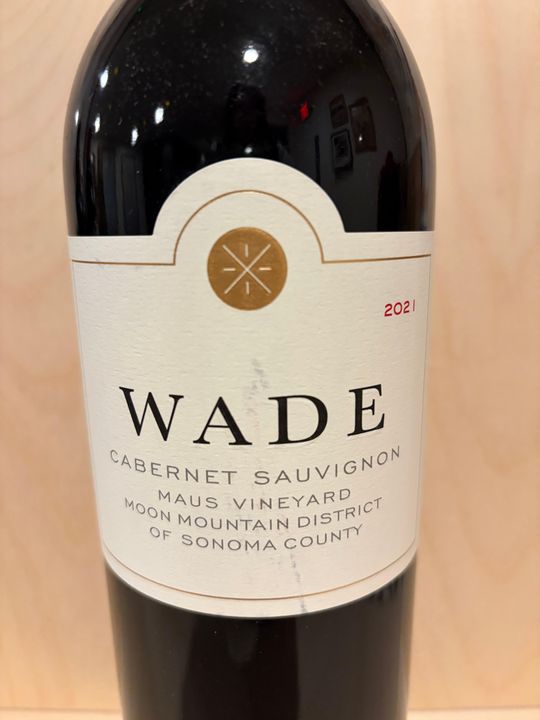
Wade Cellars Maus Vineyard Cabernet Sauvignon 2021: Sonoma County, California
Region/History Notes: Wade's Maus Vineyard Cabernet comes from Sonoma County’s diverse topography where cool coastal influences and complex soils bring a structured, refined quality to Bordeaux varieties. Among Sonoma growers and collectors who prize nuance and lift, Maus Vineyard has built a reputation for producing Cabernets that are elegant and layered, with structural clarity that invites attention rather than intimidation. Wade’s stewardship of the fruit honors that pedigree with thoughtful farming and cellar precision. Tasting Notes: The 2021 Maus Vineyard Cabernet Sauvignon opens with lifted aromas of blackcurrant, dried lavender, cedar spice, and a hint of graphite. On the palate the wine is both generous and poised, showing ripe dark berry fruit wrapped in savory notes of tobacco leaf, clove, and a touch of cocoa. Fine-grained tannins give structure without weight, and bright natural acidity keeps the finish long and energetic.$145.00
White Wine
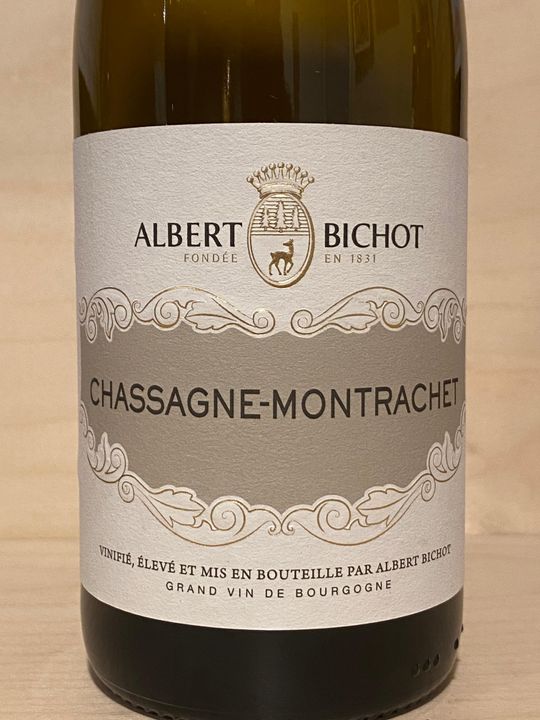
Albert Bichot Chassagne-Montrachet 2023: Burgundy, France
$199.00
Albert Bichot Puligny-Montrachet 2023: Burgundy, France
$220.00
Anhydrous Santorini 2024: Santorini, Greece
Grapes: Assyrtiko/Athiri/Aidani Region/History Notes: Santorini’s volcanic soils are extremely poor in organic matter and inhospitable to phylloxera allowing these vines to remain ungrafted on their original roots, averaging 80 years old. They are trained in the traditional kouloura, woven into low baskets that protect the fruit from intense sun and winds. Tiny yields are around 3 tonnes per hectare. The 2024 is 90% Assyrtiko with 5% each Athiri and Aidani, aged nine months on its lees in stainless steel. An extreme vintage marked by a third consecutive year of drought and heatwaves reduced already minuscule harvests 30-40%! Tasting Notes: Elegant asian pear, Meyer lemon, delicate white flowers, peach pits and white cherry lead into lingering salinity and a slight herbal quality. Beautifully integrated structure and acidity. Serve cool, not cold; opens beautifully in a decanter and could easily age 10+ years. Pair with seared scallops, raw oysters, or pot pie if you're feeling cozy.$56.00
Anselmo Mendes Alvarinho 2025: Monção e Melgaço, Vinho Verde, Portugal
Grape: Alvarinho Region/History Notes: Alvarinho (aka Albariño in Spain) finds its ancestral home along the border of Portugal and Spain, Anselmo Mendes produces wine in Monção e Melgaço, the northernmost sub-region of Vinho Verde where he was born and raised. A highly respected and internationally recognized winemaker affectionately known as “Mr. Alvarinho,” Mendes has played a major role in showcasing the variety’s capacity beyond the slightly fizzy wines that Vinho Verde’s famous for, using skin-contact and lees aging to enhance complexity in his wines. Tasting Notes: While stillexpressive and aromatic, this is a more restrained example of Alvarinho, especially on the palate. Think less overt peach and tropical fruit character and more green notes of honeydew melon, grass, lime, and green plantains. The finish is light with a tingly acidity that makes me want to enjoy this with a big plate of briny raw oysters with fresh squeezed lemon!$37.00
Artomaña Txakolina "Xarmant" Txakoli 2025: Arabako Txakolina, Basque Country, Spain
Grapes: Hondarrabi Zuri/Petit Courbu/Gros Manseng/Petit Manseng Region/History Notes: Arabako Txakolina (AKA Txakoli de Álava), the newest and smallest of Basque Country's three Txakoli DOs, lies farther inland than Getariako and Bizkaiko Txakolina. "Txakoli" translates to "farm wine," a nod to the region's home winemaking traditions. Located in Álava, the same province as Rioja Alavesa, its vineyards are concentrated in the cooler northern hills influenced by the Atlantic. Compared to other Txakoli regions, the wines are typically less spritzy, and producers often incorporate international or lesser-known grapes. Xarmant, meaning "charming," blends 80% Hondarrabi Zuri with Petit Courbu, Gros Manseng, and Petit Manseng. Tasting Notes: Citrus lovers, this one's for you! Lime, lemon, and orange race across the palate, finishing with chalky minerality and vibrant acidity. Pair with salty pintxos like Manchego cheese and olives.OUT OF STOCK$31.00
Bodegas Naia Verdejo "Naia" 2024: Rueda, Spain
Grape: Verdejo Region/History Notes: Rueda and Verdejo are practically inseparable. The region earned DO status in 1980, helping revive its native grape. Since opening in La Seca in 2002, Bodegas Naia has championed traditional, high-elevation Verdejo, where hot, dry days and cool nights preserve freshness and aromatics. Most of the wine ferments in stainless steel, with a portion in French oak, then spends four months on the lees for added substance. Tasting Notes: This wine bursts with fruit: apple, pear, pineapple, dried mango, yellow kiwi and cantaloupe. Sweet herbs like tarragon and sage join hints of almond marzipan and vanilla. Rounded but not heavy, it has enough weight to go beyond a simple porch sipper. Pair with roasted poultry, baked Brie or a hearty grilled cheese.$27.00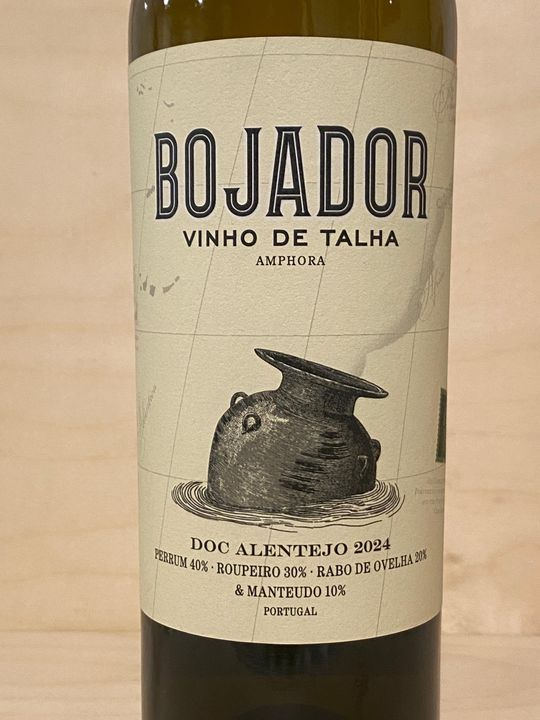
Bojador Vinho de Talha Branco 2024: Alentejo, Portugal
Grapes: Perrum/Roupeiro/Rabo de Ovelha/Manteudo Winemaker Pedro Ribeiro of Herdade de Rocim blends his passion for wine with his deep love for the Vidigueira-Alentejo region of Portugal in his personal project, Bojador. “Vinho de Talha” is the first official classification for wines made in amphorae—the clay vessels used thousands of years ago for fermentation, storage, and transport. Making a major comeback thanks to their ability to allow micro-oxygenation and promote a natural, constant flow during storage, amphorae are now at the heart of winemaking in Alentejo. Tasting Notes: Fresh and tropical, yet delightfully plush, this wine brings some serious palate presence thanks to extended skin contact. Bursting with candied ginger and orange peel, it strikes a brilliant balance between rich texture and zippy, mouthwatering acidity. Perfect with mahi mahi fish tacos or halibut steaks topped with feta and a hit of fresh parsley!$29.00
Bosinakis "Anastasia" Moschofilero 2025: Arkadia, Greece
Grape: Moschofilero Region/History Notes: Moschofilero (mos-koh-FEE-leh-ro) is actually a pink-skinned grape known for producing beautifully aromatic wines. These grapes are surprisingly late-ripening, making Moschofilero one of the latest harvests of the year, aside from grapes intentionally left on the vine for late-harvest wines, with picking sometimes extending into mid-November. Planted more than 2,200 feet above sea level, the high elevation helps preserve the grape’s vibrant aromatic character, freshness, and acidity. Tasting Notes: Lychee candy, fresh honeysuckle, peach jam over yogurt, and just-picked basil make for an incredibly expressive nose that somehow still feels so insanely delicate. The palate is so light and graceful that if you serve this wine too cold, you’ll miss all the fresh lime zest, jasmine tea, and raw honey. A sushi pairing would be perfect, but keep it light and fresh, like an Alaska roll.$21.00
Böcking Trarbacher Schlossberg Spätlese "M" 2020: Mosel, Germany
Grape: Riesling Region/History Notes: In Germany, the highest-quality wines fall under the Prädikatswein system, which classifies wines by grape ripeness at harvest. Spätlese, meaning “late harvest,” is the second tier and can range from dry to medium-sweet, typically showing riper fruit and more body than lighter Kabinett wines. This wine comes from Böcking’s 2-hectare Schlossberg Grand Cru vineyard, with steep 30–60% slopes and some ungrafted vines over 80 years old. Tasting Notes: Aromas of honeycomb lead into a palate that balances richness and lift, with high acidity and ripe fruit flavors reminiscent of canned peaches. A great match for hearty German dishes like schnitzel and spaetzle.$80.00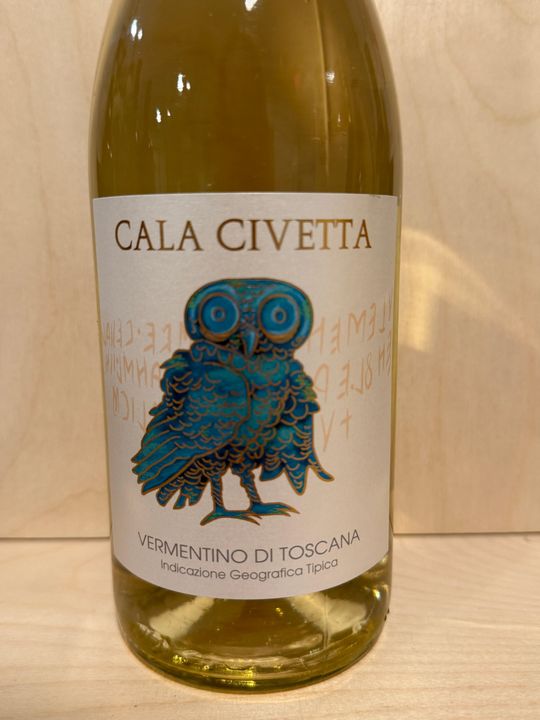
Cala Civetta Vermentino 2025: Tuscany, Italy
Grape: Vermentino Region/History Notes: Cantina del Morellino sits just inland from Tuscany’s southwestern coast in the Maremma, near the hilltop town of Scansano. It’s a true cooperative of 170 small farming families with an average holding of just four hectares. The growers farm sustainably and this Vermentino is organically farmed, though not certified, dry-farmed, and hand-harvested. The 2025 Cala Civetta marks quite the change from the Trebbiano-based version we’ve carried in the past: this vintage is 100% Vermentino, grown on limestone, shale and clay soils and aged six months in stainless steel. Tasting Notes: Full of orange blossom, tangerine, nectarine and yellow apple, this is a wine I want to sip while apple picking or walking through a field of sunflowers- it’s like drinking sunshine! It begs for Mediterranean fare: think orzo pasta salad with green olives, shrimp and roasted tomatoes, or simply an antipasto plate. An absolute crowd-pleaser!$20.00
Cantina Valle Isarco Kerner 2025: Alto Adige, Italy
Grape: Kerner Nestled in the Alpine foothills of Northern Italy, Valle Isarco is one of Alto Adige's coolest wine regions, where Italian and German cultures blend seamlessly—even wine labels are often bilingual. Kerner, a cross between Riesling and the local red grape Trollinger (Schiava Grossa), is one of the region's signature varieties, prized for its intensely aromatic character and vibrant acidity. Despite its fragrant floral nose, this wine is completely dry, with a salty, mineral-driven palate and bright, tangy freshness. Aromas and flavors of jasmine, lilies, lime zest, candied ginger, and pink peppercorn create a lively, distinctive profile. Its crisp acidity and structure make it incredibly food-friendly, pairing beautifully with seafood, fresh cheeses, vegetable dishes, or a weekend brunch favorite like onion quiche.$32.00
Cantine Madaudo Grillo 2022: Sicily, Italy
Grapes: Grillo Region/History Notes: The history of Grillo is a bit of a mystery. It may be the offspring of Catarratto, an indigenous Sicilian variety, and Muscat of Alexandria, or it may have been brought to Sicily from Puglia during Roman times, with some accounts suggesting it was a favorite of Julius Caesar. In the 20th century, Grillo fell out of favor as growers turned to the higher-yielding Catarratto. Today, however, as Sicilian winemakers continue to prioritize quality over quantity, Grillo is enjoying a well-deserved revival, proving itself to be one of the island's most exciting and underrated native grapes! Tasting Notes: Baked apples and lemon custard pie lead the nose, accented by a touch of ocean breeze salinity and dried woody herbs. The palate opens with bright, tart acidity before giving way to a briny minerality that carries through to a finish of gently baked apple richness. Pair with linguine in white clam sauce topped with plenty of freshly shaved Parmesan!$18.00
Ch. de Beaucastel Chateauneuf du Pape Blanc 2023: Rhône Valley, France
Grapes: Roussanne/Grenache Blanc/Picardan/Clairette/Bourboulenc. Region/History Notes: Though about 95% of Châteauneuf-du-Pape is red wine, Château de Beaucastel is renowned for one of the Rhône Valley's greatest ageworthy white blends. Sourced from just 7 hectares, it is 80% Roussanne with Grenache Blanc, Clairette, Bourboulenc, and Picardan. The vines grow in famed galet roulés, rounded stones that store heat by day and release it at night, promoting ripeness while preserving freshness. Fermented mainly in stainless steel with some oak and aged eight months on the lees. Tasting Notes: Honeycomb, ripe peach, baked pear, orange blossom, preserved lemon, beeswax, toasted almond, and wild herbs. Rich and silky yet lifted by vibrant acidity, it's delicious now and will age beautifully. Decant 30–60 minutes and pair with lobster, roasted halibut, or herb-roasted chicken.$129.00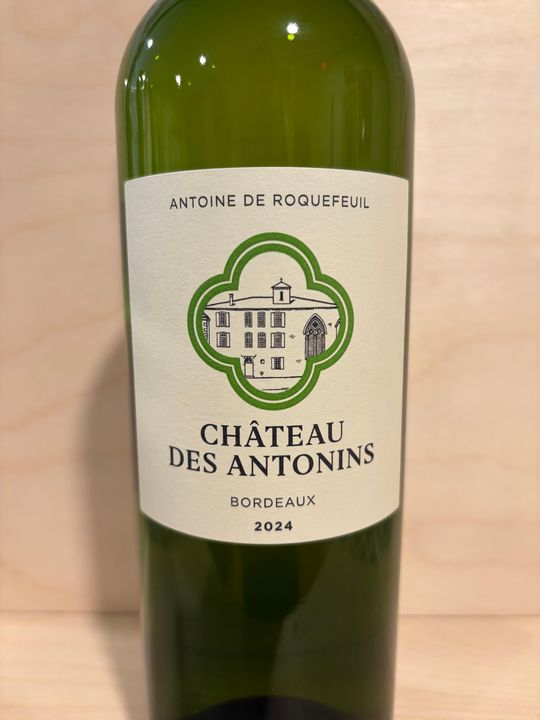
Ch. des Antonins Blanc 2024: Bordeaux, France
Grapes: Sauvignon Blanc/Semillon Region/History Notes: Originally built as a 13th-century convent, the property was once home to monks of the Order of Saint Antoine and is located on the left bank of the Garonne near the Graves appellation. After the French Revolution, the estate passed to the Roquefeuil family and eventually came into the hands of Geoffroy and Martine Roquefeuil in 1985. Their son, Antoine, began learning from his father in 2016 and now leads the estate following his mother’s retirement in 2021. This zesty blend, composed of 80% Sauvignon Blanc and 20% Sémillon, undergoes bâtonnage (lees stirring) for 15–30 days. Tasting Notes: This wine smells far more tropical than I would expect. It shows reserved yet bright aromas of mango, lemon sorbet, fresh vanilla custard, macerated red grapefruit supremes, and a green note that leans toward celery. The palate is just as generous as the nose and begs for a fresh arugula salad with goat cheese and peaches!OUT OF STOCK$21.00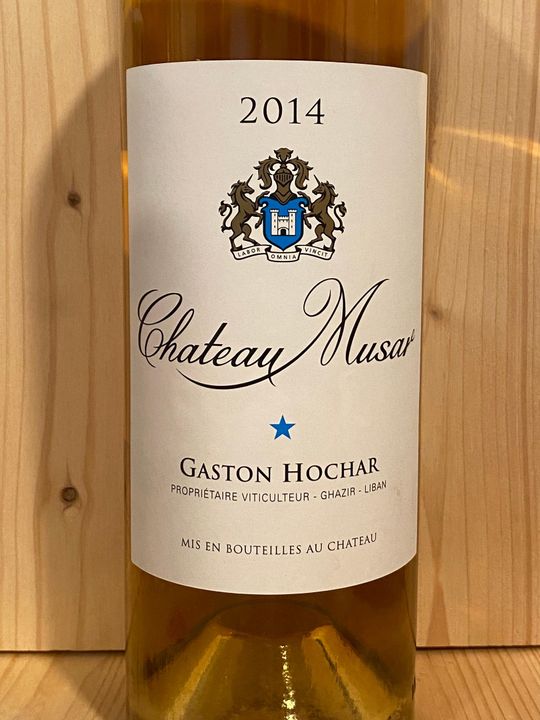
Ch. Musar Blanc 2014: Bekaa Valley, Lebanon
Grape: Obaideh/Merwah Region/History Notes: Inspired by the extensive winemaking tradition of Lebanon and and his travels through Bordeaux, Gaston Huchar founded the winery in 1930 at the mere age of 20. His son Serge took over as winemaker in 1959 with the vision that the family’s wines—at the time mostly sold domestically—would one day attain international acclaim. Even throughout the duration of the Lebanese Civil War (1975-1990), Serge remained dedicated to producing wine. The domestic turmoil fueled a need for a new market, and the first Château Musar appeared on the international scene in 1979 to a captivated audience. Tasting Notes: These white wines are only released 6-7 years after bottling, and when I say that they have the capacity to age I’m talking about decades! The wine will only get richer, more honeyed, and nuttier. These are wines of true caliber and I hope you delight in them as much as I do!$90.00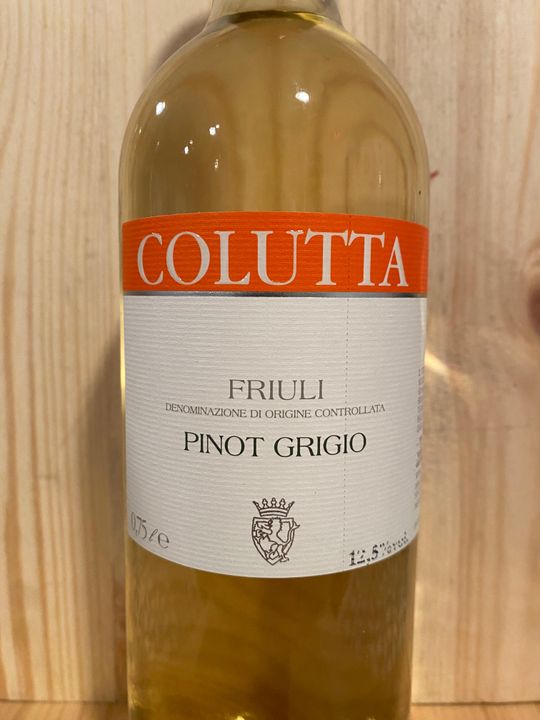
Colutta Friuli Pinot Grigio 2024: Friuli-Venezia Giulia, Italy
Grape: Pinot Grigio Region Notes: Pinot Grigio is the same grape as Pinot Gris, native to the Alsace region of France. When it was brought down to Italy in the 1900’s it became known as Pinot Grigio and became wildly popular in the 80’s. Italian Pinot Grigio became the leading export of Italian wine it was so popular! Popularity is great, but it comes with its own pitfalls. Quality usually decreases as quantity increases so the reputation gets shot. There are some amazing producers though that are making top notch Pinot Grigio that are worlds above the $8 house wines. Colutta is the good stuff! Tasting Notes: Green apple, green grapes, white peaches, a bright, zesty core with a perfect minerality to the finish.$24.00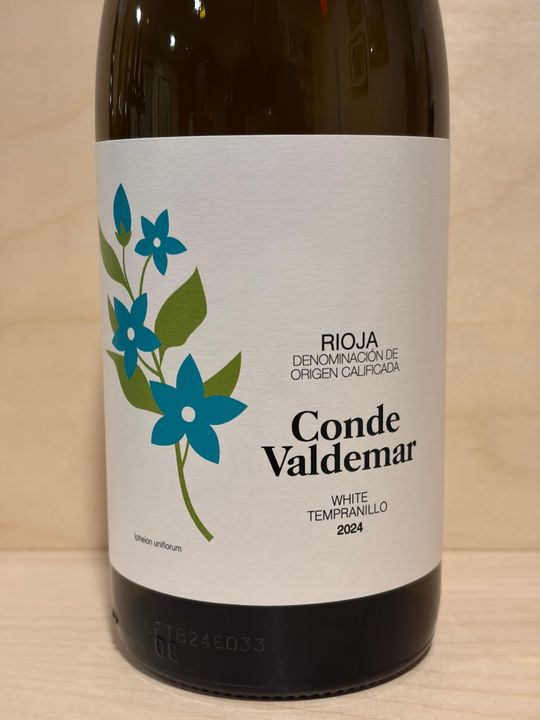
Conde Valdemar White Tempranillo 2024: Rioja, Spain
Grape: Tempranillo Blanco Region/History Notes: Officially recognized in 2007, Tempranillo Blanco remains relatively uncommon despite being a natural mutation of Tempranillo, much like Pinot Blanc and Grenache Blanc. It was discovered in Rioja in 1988 by Jesús Galilea after spotting a single yellow-green cluster on a Tempranillo vine. By 1993, the mutation had proven genetically stable through more than 100 propagated clones. The grapes are hand-harvested in the cool morning hours, fermented in stainless steel, and aged on the lees for four months. Tasting Notes: Pure nostalgia in a glass with candied banana, white Airheads, lime zest, and creamy vanilla yogurt. The palate is crisp with underripe banana, fresh lime juice, and a hint of spearmint. Fun enough for the pool, yet serious enough to pair with grilled summer squash or seafood paella.$20.00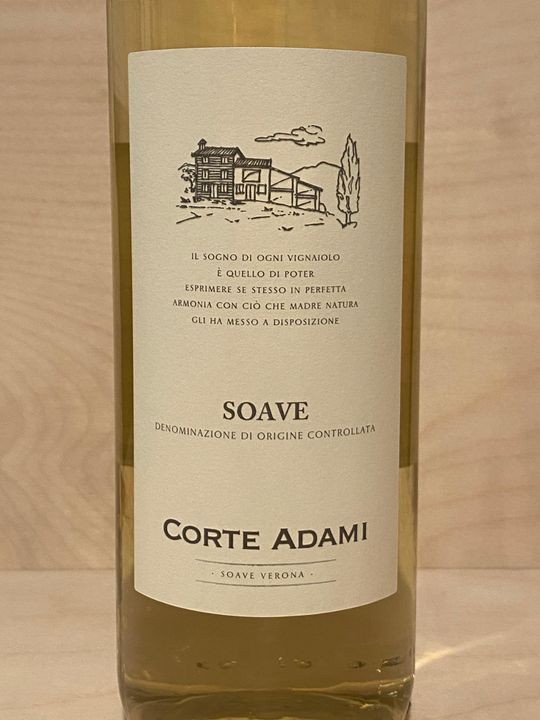
Corte Adami Soave 2025: Soave, Italy
$18.00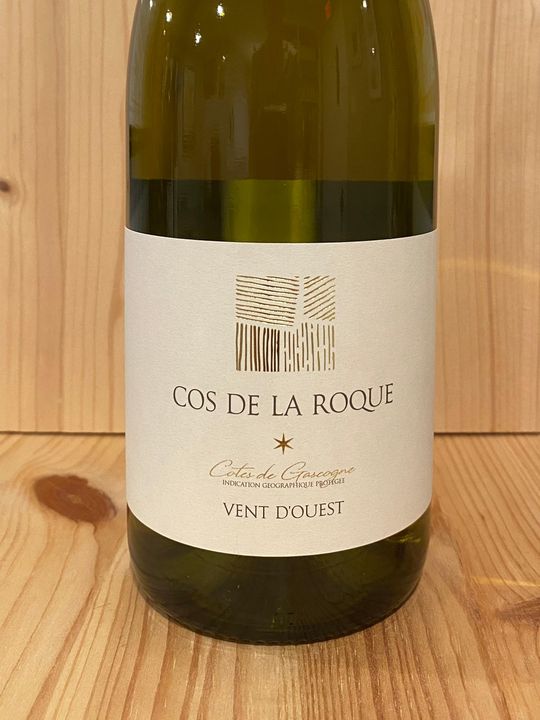
Cos de la Roque "Vent d'Ouest" 2025: Côtes de Gascogne, France
Grapes: Colombard/Gros Manseng/Ugni Blanc Region/History Notes: The Sud-Ouest, or “South-West,” region might just be France’s best-kept secret! While the region is perhaps best known for Armagnac, its iconic grape brandy, there is a wealth of great-value wine to discover across its diverse terroirs. Colombard and Ugni Blanc are classic varieties used in Armagnac production, while Gros Manseng, traditionally associated with sweet wines, is increasingly finding a place in dry white wine blends. This wine combines 80% Colombard, 15% Gros Manseng, and 5% Ugni Blanc. “Vent d’Ouest” refers to the westerly winds blowing in from the Atlantic, which help cool these hillside vines. Tasting Notes: Bright and expressive aromas of mango and cantaloupe, plus citrus oil that come through on the textured palate. Fresh, fruit-forward, and wonderfully approachable, this is a vibrant white wine that delivers impressive character and value. Pair with grilled shrimp tacos or just sip on its own!$17.00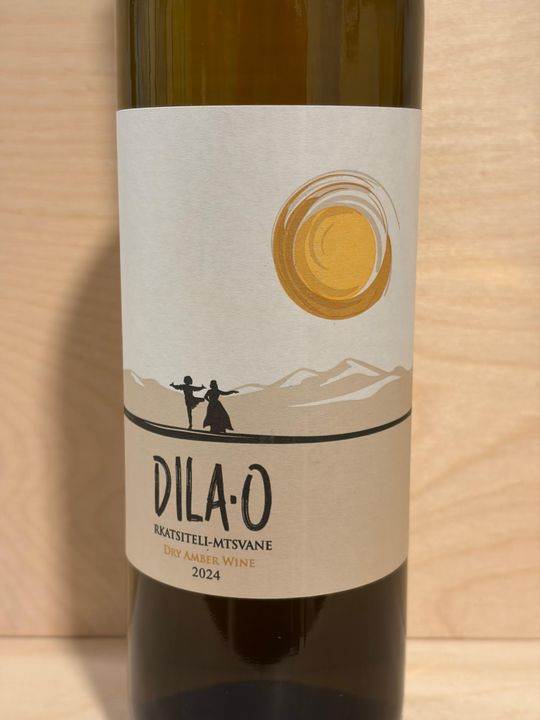
Dila-O Dry Amber Wine Rkatsiteli-Mtsvane 2024: Georgia
$26.00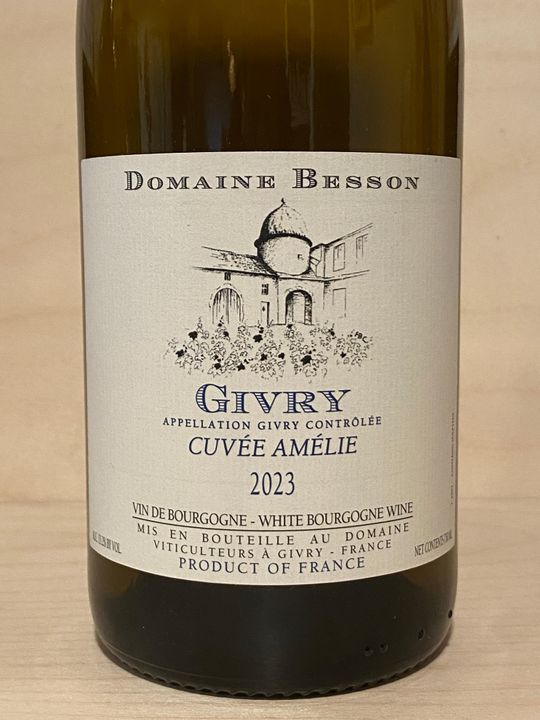
Dom. Besson Givry "Cuvée Amélie" 2023: Burgundy, France
Grape: Chardonnay Region/History Notes: The Chardonnay for Cuvée Amélie comes from a two-acre plot named for Amélie Besson, who acquired the estate in 1938. The fruit is gently whole-cluster pressed, then fermented in barrel (30% new) before undergoing malolactic fermentation (MLF). Technically an enzymatic process, MLF converts tart malic acid to softer lactic acid, reducing acidity and adding creamy texture. While winemakers may prevent MLF in whites for a leaner, more acid-driven style, it’s a classic technique in Burgundy. Tasting Notes: Aromas of lemon curd, vanilla, and buttercream lead into a creamy palate with lingering flavors of pineapple and yellow apple. Pair with pan-fried chicken in a buttery cream sauce with fresh herbs.$57.00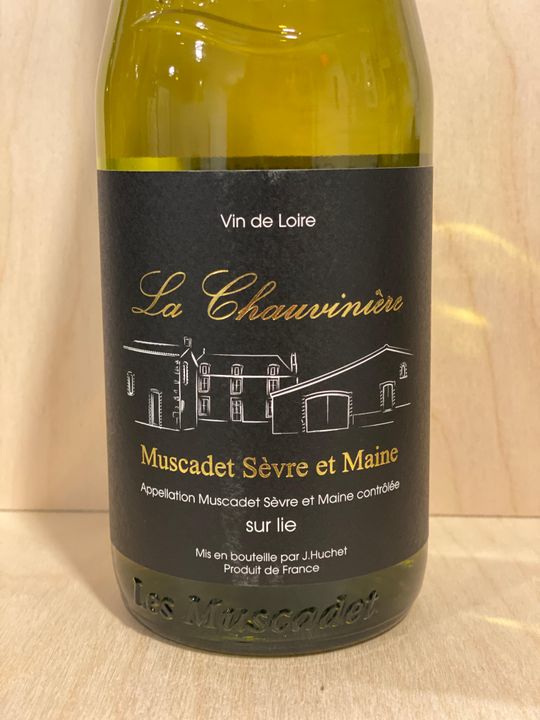
Dom. de la Chauviniere Muscadet Sèvre et Maine Sur Lie 2025: Loire, France
Grape: Melon Blanc Region/History Notes: Fourth-generation winemaker Jérémie Huchet is based in the Muscadet region of France’s Loire Valley, known for varietal expressions of Melon de Bourgogne that are practically made for oysters. These vines are grown on the unique granite soils of Château-Thébaud, specifically granodiorite, which represents only about 4% of the appellation. The vineyards consist of shallow soils of coarse sand, gravel, and pebbles. To preserve freshness and avoid oxidation, the grapes are pressed quickly before fermentation, then spend the winter aging on their lees before bottling. Tasting Notes: A plush nose of white peaches, meaty apples, fresh-squeezed lemon, and jasmine. The definition of refreshing, the palate stays dry and crisp while carrying through the generous fruit found on the nose. No need to overcomplicate the pairing here, go classic with the freshest plateau de fruits de mer!OUT OF STOCK$26.00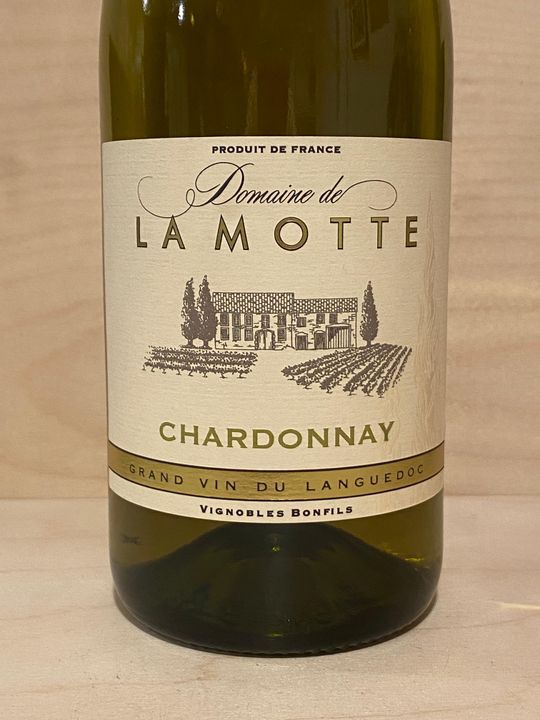
Dom. De La Motte Chardonnay 2024: Languedoc-Roussillon, France
$17.00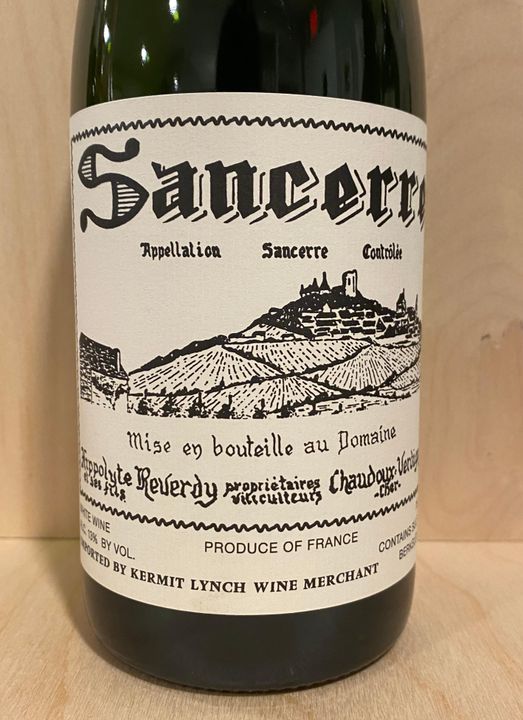
Dom. Hippolyte Reverdy Sancerre Blanc 2025: Loire Valley, France
Grape: Sauvignon Blanc In the heart of Sancerre, Domaine Hippolyte Reverdy traces its roots back to the 1600s, though the family only began bottling under their own name in the latter half of the 20th century. A true Kermit Lynch discovery, these wines quickly became benchmarks for showcasing the purity and elegance of Sancerre. With fewer than 35 acres under vine, predominantly Sauvignon Blanc, the domaine practices Lutte Raisonnée, minimizing chemical interventions and fostering long-term soil health. Reverdy’s approach balances tradition with precision, producing wines that reflect both terroir and care. Tasting Notes: This 2024 vintage dazzles with confidence and charm. Unlike past, subtler bottlings, it bursts with grapefruit, lemongrass, melon rind, and candied peach. Flamboyant and expressive, it’s impossible to ignore. Silky yet precise, it pairs brilliantly with a buttery lobster roll—an unforgettable celebration of Sancerre at its most lively and captivating.$57.00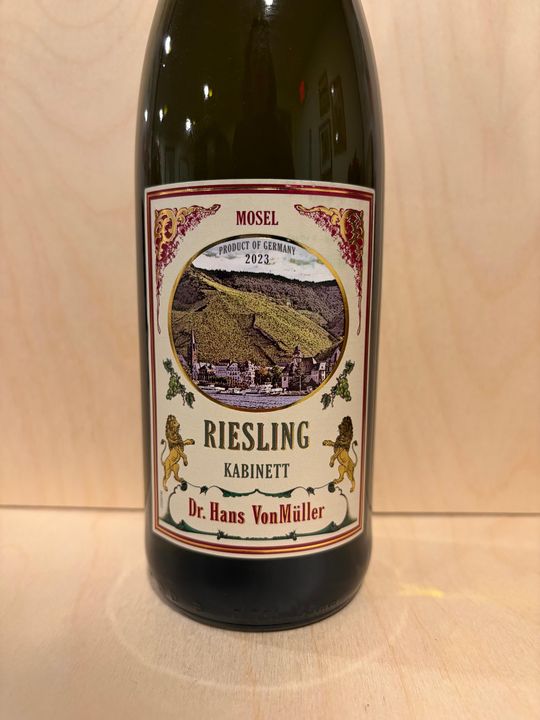
Dr. Hans VonMüller Riesling Kabinett 2025: Mosel, Germany
Grape: Riesling Region/History Notes: The Mosel Valley is Germany’s oldest wine-growing region and offers one of the most dramatic landscapes for wine growing: flanking the winding Mosel River, vines cling to steep slopes in an effort to maximize the amount of sunlight (reflected off the river itself) that these grapes can receive. Riesling is the most famous grape, but the styles are incredibly varied depending on when the grapes are harvested. The term Kabinett indicates a lighter style of wine, either dry or off-dry, made from fully-ripened grapes picked at normal harvest time. Tasting Notes: Aromas of lemon pith, honeysuckle, apple, and wet stone introduce a fresh, inviting Riesling with restrained aromatics. Light and off-dry on the palate, juicy white peach leads to a bright, lemony finish. A slightly sweeter style like this pairs beautifully with spicy vegetable samosas and mint chutney.$20.00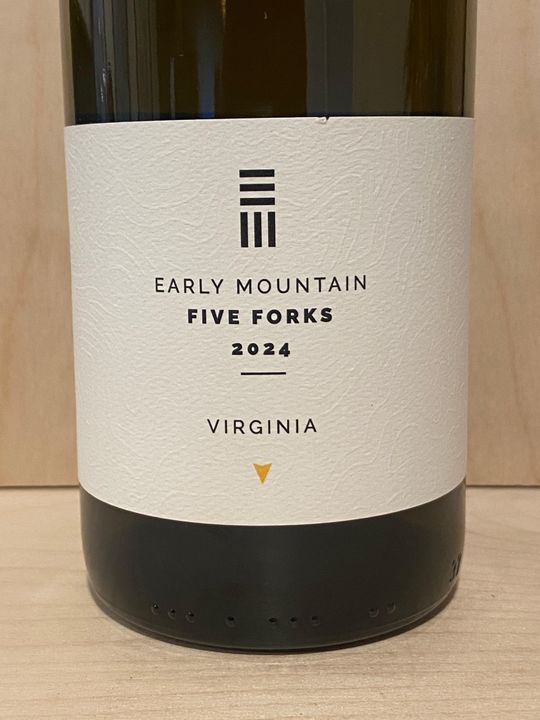
Early Mountain "Five Forks" 2024: Virginia
$30.00
Escala Humana "Livverá" Chenin Blanc 2025: Valle de Uco, Argentina
Grape: Chenin Blanc Region/History Notes: Before launching Escala Humana Wines with his wife, Ayelén, Germán Masera made wine across Mendoza, Patagonia, Spain, and the United States. Fascinated by natural processes, he was drawn to a career that kept him closely connected to the land. This philosophy is reflected in the Livverá line, a name that combines the concepts of life (LIV) and truth (VERA). A single-vineyard Chenin Blanc gown at elevations of 3000-4000 feet, the fruit is sustainably farmed, hand-harvested, then fermented and aged in concrete eggs! Tasting Notes: If you're expecting a rich, lanolin-driven Chenin Blanc, this is NOT that. Citrus-dominant and mineral-driven on the nose, the palate delivers flavors of mandarin orange, white peach, and preserved lemon, with a long, saline finish. Pair with a creamy Spaghetti al Limone to let the wine's electric acidity cut through the richness and complement the dish’s bright citrus character!$36.00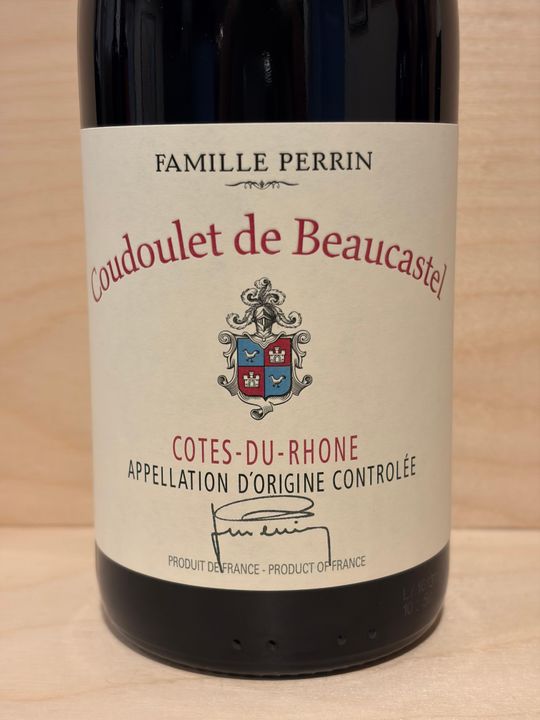
Famille Perrin Coudoulet de Beaucastel Cotes-du-Rhone Blanc 2023: Rhône Valley, France
Grapes: Marsanne/Viognier/Clairette/Bourboulenc Often called the "Baby Beaucastel," Coudoulet comes from vineyards just outside Châteauneuf-du-Pape, sharing the same galets roulés—rounded river stones that reflect sunlight onto the vines and slowly release stored heat overnight. This unique terroir helps produce the ripe, concentrated fruit that defines the region. Crafted by the legendary Famille Perrin, Coudoulet receives the same meticulous care that has made Beaucastel one of the Rhône's great estates. Rich yet beautifully balanced, this white Rhône offers layers of ripe peach, golden apple, Meyer lemon, white flowers, fennel, toasted almond, and a touch of honey over a silky texture. Bright acidity and a stony mineral backbone provide freshness and precision, leading to a long, savory finish. A superb pairing for roast chicken, lobster, scallops, creamy seafood dishes, or rich cheeses.$55.00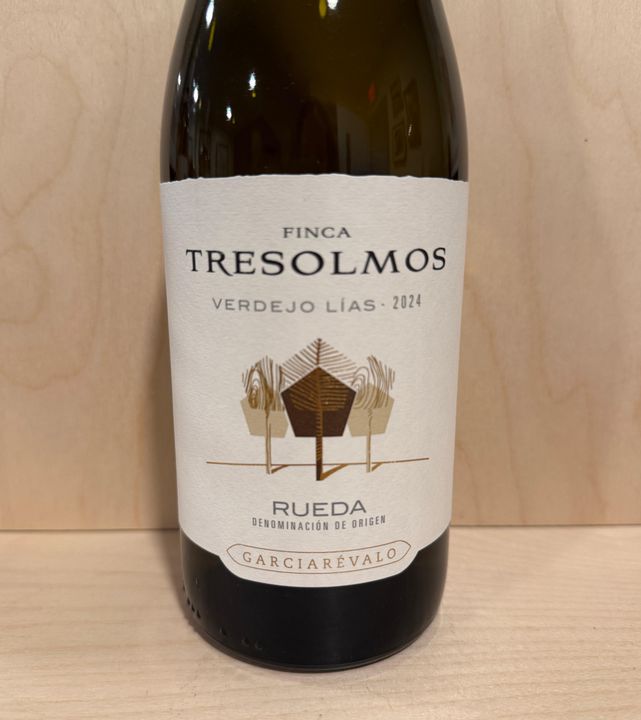
Garciarévalo Tresolmos Verdejo Lías 2024: Rueda, Spain
Grape: Verdejo Region/History Notes: Verdejo, an indigenous white grape variety, is the crown jewel of the Rueda region. Certified organic since 2020, Garciarévalo’s Tresolmos vineyard site sits in an ideal microclimate between the Adaja and Eresma Rivers, where temperatures can be up to five degrees cooler than in surrounding areas—a major advantage in central Spain, where summers get HOT. Sandy limestone soils help maintain freshness in this warm climate, as sand cools quickly once the sun sets. The wine is fermented and aged in stainless steel, with six months on the lees and daily bâtonnage to keep the lees suspended. Tasting Notes: Citrusy notes of lime and grapefruit leap from the glass, alongside a subtle herbaceous touch. The palate is almost silky, offering flavors of ripe cantaloupe and juicy white peach. Pair with blackened grilled chicken topped with peach salsa and fresh cilantro!$29.00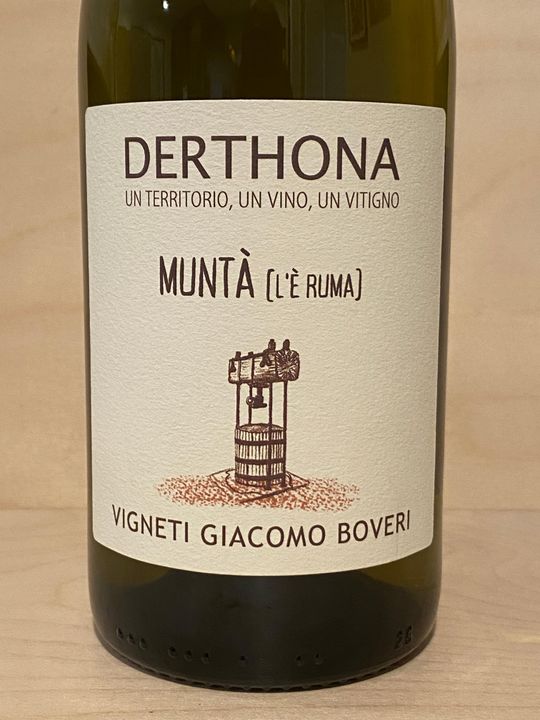
Giacomo Boveri "Muntà l'è Ruma" Derthona: Piedmont, Italy
$50.00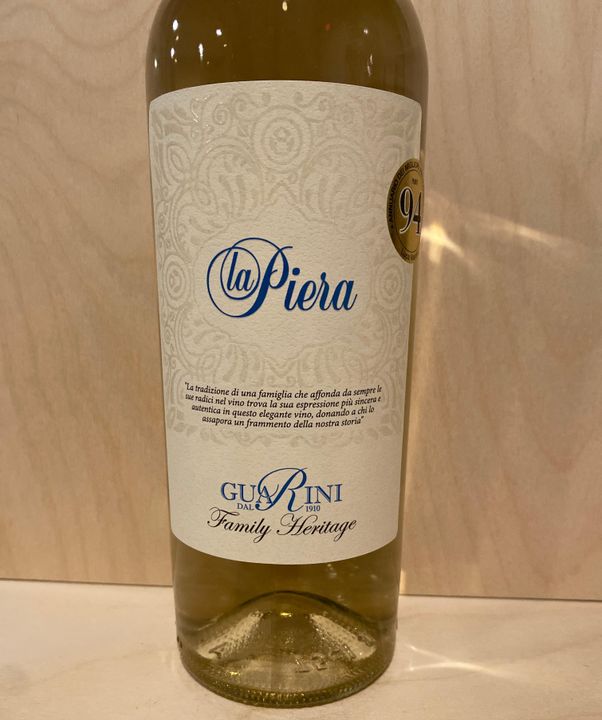
Guarini "La Piera" Bianco 2024: Italy
Grapes: Fiano/Greco/Bombino Bianco Region/History Notes: A blend of three native Italian varieties, Fiano, Greco, and Bombino Bianco, this is the ultimate white weekday wonder wine. Fiano, from Campania, is prized for the sweetness its grapes develop in the vineyard, earning the name Vitis Apiana, “the vine beloved by the bees.” Greco, also largely grown in Campania, brings body and notes of fresh stone fruit and herbs. Bombino Bianco, a late ripening, high yielding variety, adds soft aromatics and a subtle touch of minerality. Tasting Notes: Guava, passion fruit, and mango sorbet leap from the glass and follow through on the palate. Vibrant, juicy, and generous, this wine pairs perfectly with fried shrimp tacos and fresh mango salsa. Make sure to keep a second bottle chilled!$17.00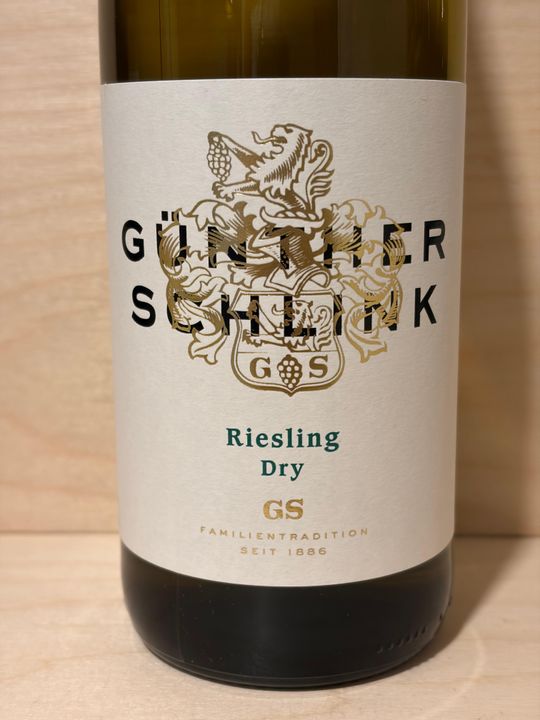
Gunther Schlink Dry Riesling 2023: Nahe, Germany
Grape: Riesling Region/History: Despite its small size, the Nahe is one of Germany’s most geologically diverse regions, with volcanic rock, slate, quartzite, sandstone, and loess found across its vineyards. Riesling here can show strikingly different personalities, often balancing the razor-sharp acidity of the Mosel with the broader fruit profile of southern Germany. Detailed technical information for this specific Günther Schlink bottling is unavailable, so no vineyard-specific details are attributed. Tasting Notes: Bright and immediately inviting, this Riesling offers fresh citrus, crunchy apple, white peach, and delicate floral notes. Approachable yet refreshingly vibrant, it is clean, crisp, and uncomplicated in the best way—an ideal introduction to dry German Riesling. Pair with fish tacos, grilled shrimp, sushi, or a simple summer salad with goat cheese.$24.00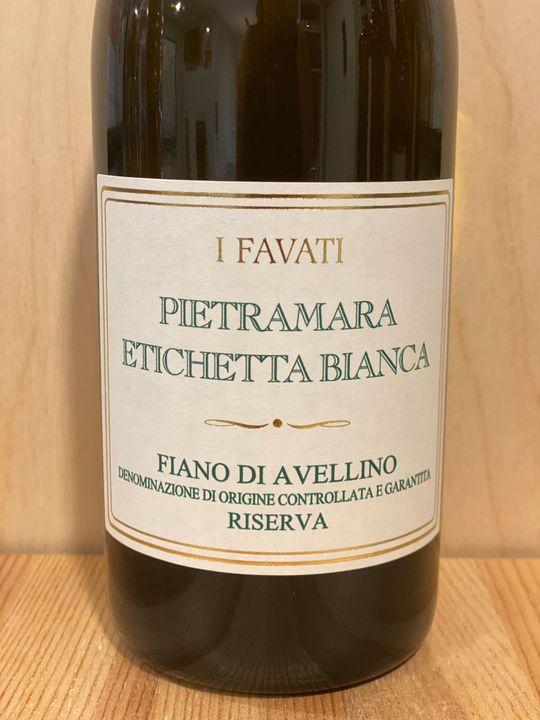
I Favati "Pietramara Etichetta Bianca" Fiano di Avellino Riserva 2020: Campania, Italy
Grape: Fiano Fiano is one of southern Italy’s greatest white grapes, and Avellino in Campania is its spiritual home. I Favati has emerged as one of the top producers, crafting wines of elegance and longevity. Their 2019 Riserva comes from high-altitude vineyards in Irpinia and is aged extensively on the lees, giving the wine both richness and depth. In the glass, you’ll find ripe pear, golden apple, and candied citrus, layered with toasted hazelnut, honey, and chamomile. Volcanic soils add a smoky mineral note, and the texture is creamy yet structured. The finish is long, saline, and mouthwatering. This is a wine that proves why Fiano is considered the “white Barolo of the South.” Enjoy now with seafood risotto or roasted poultry, or cellar it for years to come—it has the bones to age gracefully.$58.00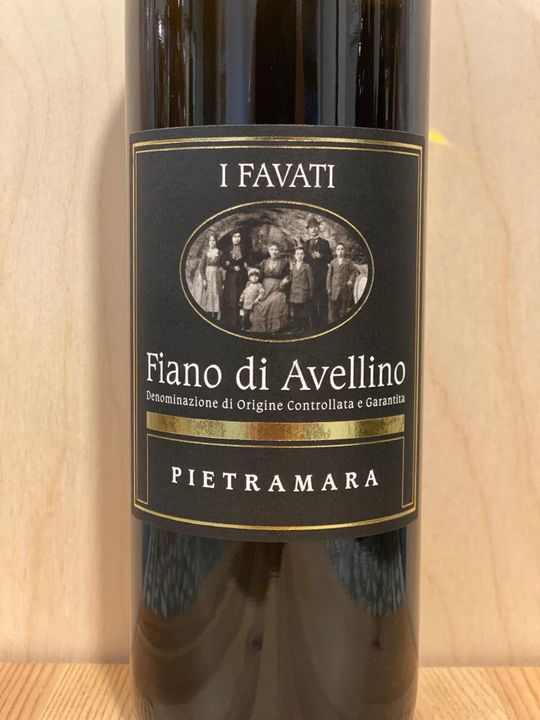
I Favati "Pietramara" Fiano di Avellino 2023: Campania, Italy
Grape: Fiano Region/History Notes: Fiano di Avellino is age-worthy, structured, and deeply expressive. Grown in the mountainous Irpinia region of Campania, this DOCG benefits from high elevation and volcanic soils that give the wines their signature mineral tension and aromatic lift. I Favati is a family-owned winery with a deep commitment to traditional grape varieties and sustainable farming. Their Pietramara bottling comes from vineyards in Lapio, one of the most prestigious communes in the appellation. Fermented and aged in stainless steel, the wine emphasizes clarity, terroir, and varietal purity. Tasting Notes: Aromas of pear skin, white flowers, orange oil, and toasted almond open into a layered, elegant palate. There’s texture and grip balanced by bright acidity, with notes of lemon peel, chamomile, and crushed stone. The finish is long, salty, and mouthwatering. Perfect pairing with grilled seafood, saffron risotto, or a cheese board with anchovies!OUT OF STOCK$38.00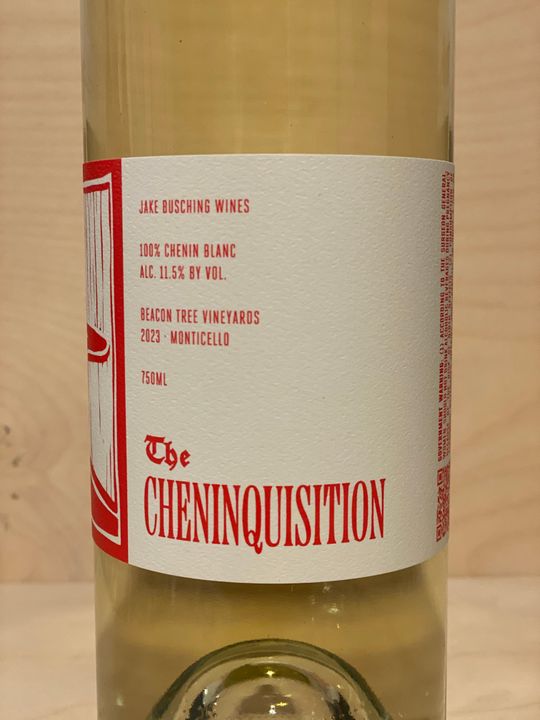
Jake Busching "Cheninquisition" Chenin Blanc 2023: Monticello, Virginia
Grape: Chenin Blanc Region/History Notes: Who knew Chenin Blanc even grew in Virginia, let alone such a scrumptious one! Jake Busching started working as the assistant vineyard manager at Jefferson Vineyards in 1997, continuing to help establish Virginia’s wine industry alongside people like Michael Shaps, who later hired him as the head winemaker for Wineworks in 2015. Under his own label, Jake focuses on showcasing small vineyards that provide a true stage for Virginia terroir. This Chenin Blanc is harvested from Beacon Tree Vineyards in Keswick, Virginia, and fermented in stainless steel to retain its fresh, mineral-driven character. Tasting Notes: The kind of bright, refreshing charm you hope to find in a bottle of Chenin Blanc, lightly perfumed with citrus blossoms, fresh-baked apple pie, and honeyed orchard fruits. Pair with all your favorite fresh seafood dishes, especially anything drenched in butter and garlic!$32.00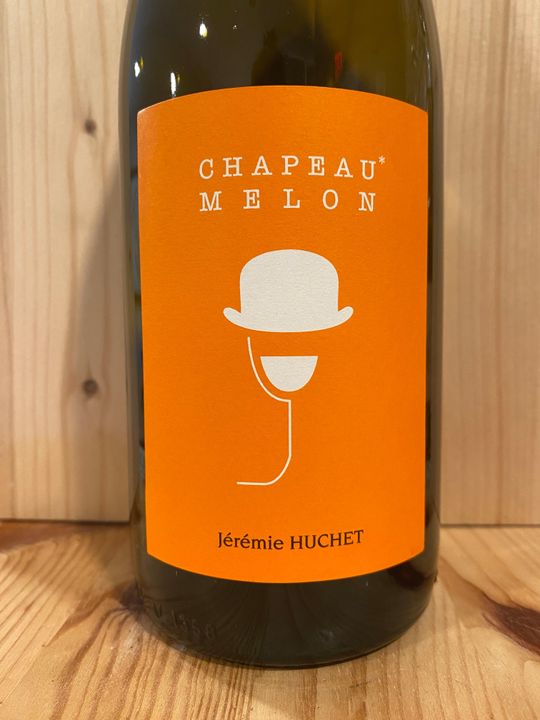
Jeremie Huchet "Chapeau Melon" Blanc 2025: Loire Valley, France
Grapes: Sauvignon Blanc/Melon de Bourgogne Region Notes: Fourth generation winemaker Jérémie Huchet is based out of the Muscadet region of France’s Loire Valley, known for varietal expressions of the Melon de Bourgogne grape that are perfect with oysters!“Chapeau Melon” Blanc carries the declassified Vin de France appellation rather than that of Muscadet so Jérémie can blend Melon de Bourgogne with Sauvignon Blanc, which is most famously grown father west in Sancerre. Tasting Notes: Delicate lemon verbena and oyster shell-like minerality from the Melon de Bourgogne couple so beautifully with the green herbs, honeydew melon, and more vivacious citrus notes from the Sauvignon Blanc. A little weighty on the palate but still incredibly fresh, pair this with skillet cod and clams with a parsley lemon butter!OUT OF STOCK$24.00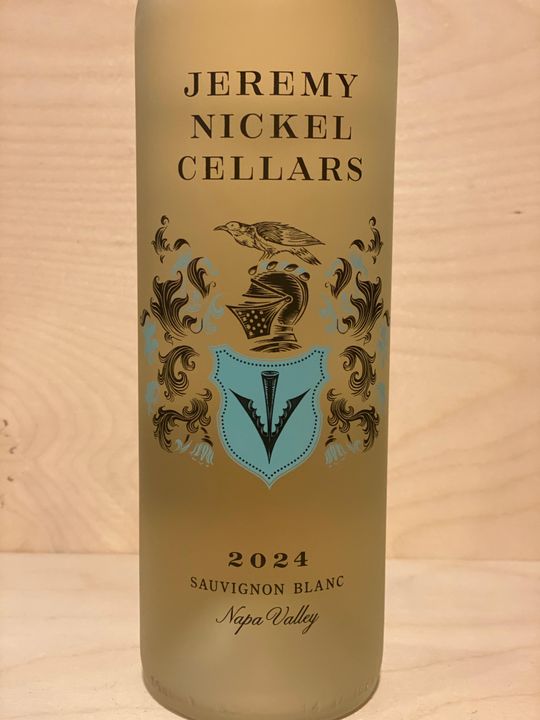
Jeremy Nickel Cellars Sauvignon Blanc 2024: Napa Valley, California
Grape: Sauvignon Blanc Region/History Notes: Sauvignon Blanc originated on France’s west coast and is best known in the Loire Valley’s Sancerre region for its lean, mineral-driven style. In Bordeaux’s Pessac-Léognan, it is often blended with Sémillon and influenced by oak, creating wines with greater texture and complexity. This wine bridges those traditions with Napa Valley fruit. Made from 100% Sauvignon Blanc, it is fermented in concrete and stainless steel, then aged three months on the lees in partially new French oak, adding richness and depth. Crafted by Jeremy Nickel, son of Napa pioneer Gil Nickel, it balances expressive fruit with classic French structure. Tasting Notes: Bright and focused, with aromas and flavors of key lime, Asian pear, green apple, and ripe honeydew melon. Subtle French oak adds texture and weight without overshadowing the wine’s vibrant acidity and freshness. Excellent with grilled chicken and lemon-caper sauce over orzo.$54.00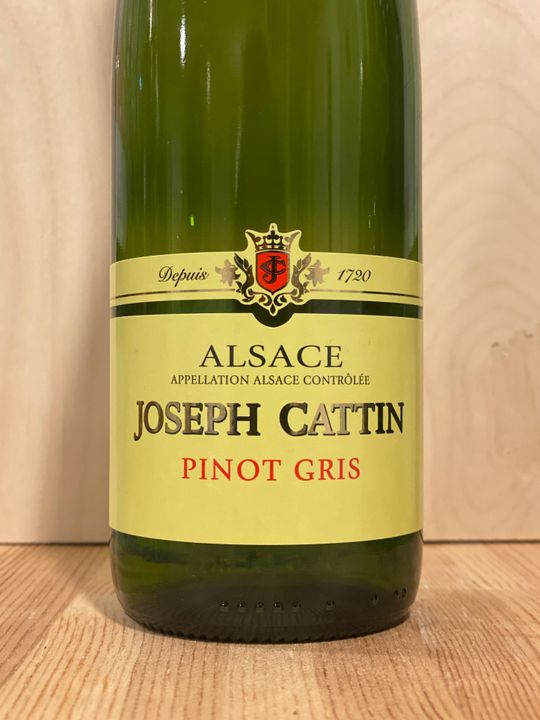
Joseph Cattin Pinot Gris 2024: Alsace, France
Grape: Pinot Gris Region/History Notes: The Joseph Cattin winery has been family owned and operated for more than 300 years and is currently one of the largest family owned estates in all of Alsace! Alsace has a huge patchwork of soil types, making the terroir incredibly complex based on the specifics of the vineyard. The soil type where these Pinot Gris grapes grow is primarily clay and limestone, which helps preserve natural acidity. Alsace is known for its abundant sunshine due to the rain shadow effect of the Vosges Mountains, encouraging optimal ripeness. This combination of intense ripeness levels with equally intense acidity is what Alsace is famous for! Tasting Notes: A classic Alsatian Pinot Gris that has gorgeous and inviting aromatics of baked yellow apples and brown pear with musky florals. Notes of lemon curd and key lime lift the wine’s structure while an earthy honeycomb quality grounds the wine. Pair with honey-glazed roasted carrots with pistachios!$20.00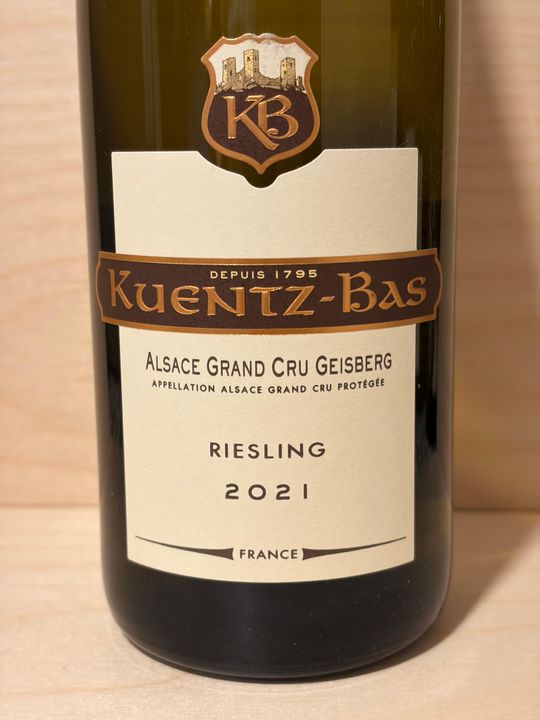
Kuentz-Bas Riesling Grand Cru Geisberg 2021: Alsace, France
Grape: Riesling Region/History: Alsace is renowned for dry Riesling, and Grand Cru Geisberg is one of its most prestigious sites. Perched on steep, south-facing slopes above Ribeauvillé, Geisberg’s limestone and sandstone marl soils produce wines of remarkable concentration, minerality, and longevity. Kuentz-Bas has farmed Alsace since 1795 and considers Geisberg its flagship Riesling terroir. This is a true expression of place, showcasing the character that makes Grand Cru vineyards so revered. Tasting Notes: Ripe peach, baked apple, Meyer lemon, chamomile, and warm baking spice unfold over crushed stone and wet chalk. Rich yet beautifully balanced, vibrant acidity carries the concentrated fruit into an exceptionally long finish. Pair with butter-poached lobster, thyme-roasted chicken, seared scallops, or aged Comté. Stunning now, with the depth and structure to reward another 10–15 years of aging.$69.00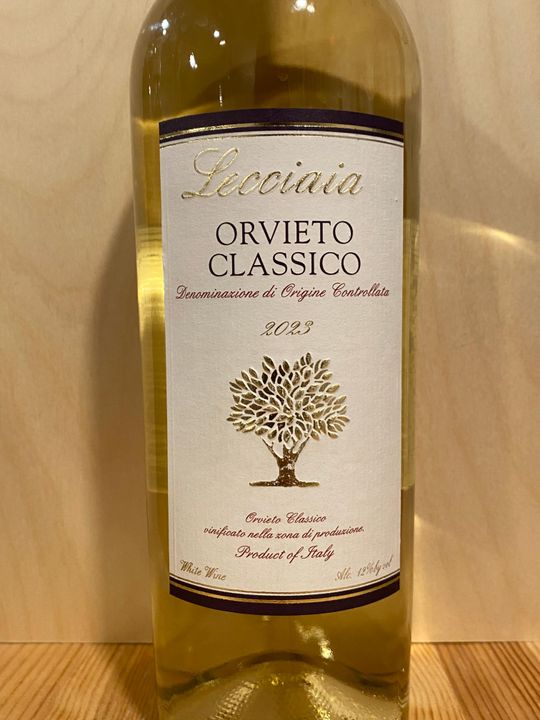
La Lecciaia Orvieto Classico 2024: Umbria, Italy
Grapes: Grechetto/Malvasia/Trebbiano Toscana Region/History Notes: Umbria is Italy’s only land-locked wine region and has two DOCGs—both for bold, rustic reds. However, the region’s most famous and widely-produced wine is a white wine coming from Orvieto. Made from a minimum 60% Grechetto and Trebbiano Toscana, these light, crisp wines taste like sunshine in a glass and rarely break the bank! Tasting Notes: The yellow orchard and stone fruit profile on this wine is so lovely, but there’s also vibrant citrus core to both the aromatics and the flavors that provides lift to the ripeness of all the apples and peaches that you find in your glass. The combination of the roundness and weightiness of the fruit on the palate along with this intense burst of juicy peach on the finish make this such a fun transitional wine as we say goodbye to winter and hello to spring. Pair this with chicken Florentine!$20.00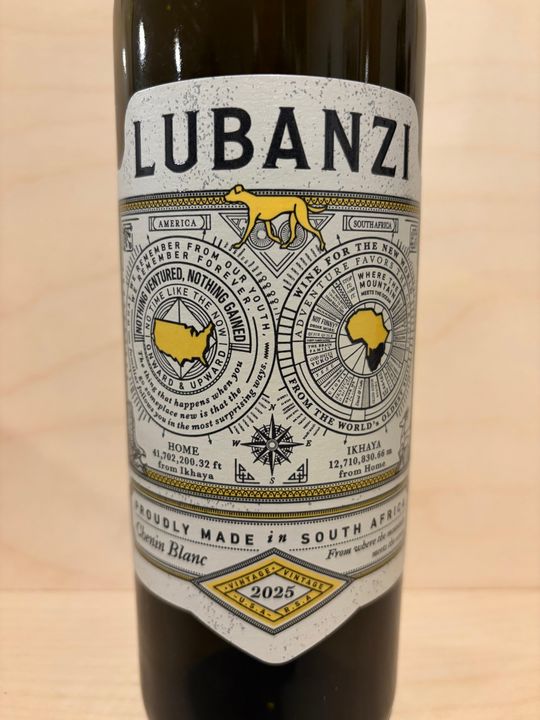
Lubanzi Chenin Blanc 2025: Swartland, South Africa
Grape: Chenin Blanc Region/History Notes: South Africa has emerged as the New World’s standout home for Chenin Blanc. Producers have embraced the grape, crafting world-class wines in distinctive local styles. Many are also leaders in sustainability, focusing not just on environmental practices but social responsibility as well—check the back label for certifications. Tasting Notes: Aromas of lemon verbena, orange blossom, honeydew, and lime zest coat the palate. Vibrant minerality and classic lanolin notes develop mid-palate and linger on the finish. Floral nuances grow as the wine opens, creating a fresh, delicate, and feminine expression. Perfect for spring picnics—pairs beautifully with cucumbers and herb goat cheese, orzo salad, or salmon lox crostini. A rare white that handles salads and fresh vegetables with ease.$23.00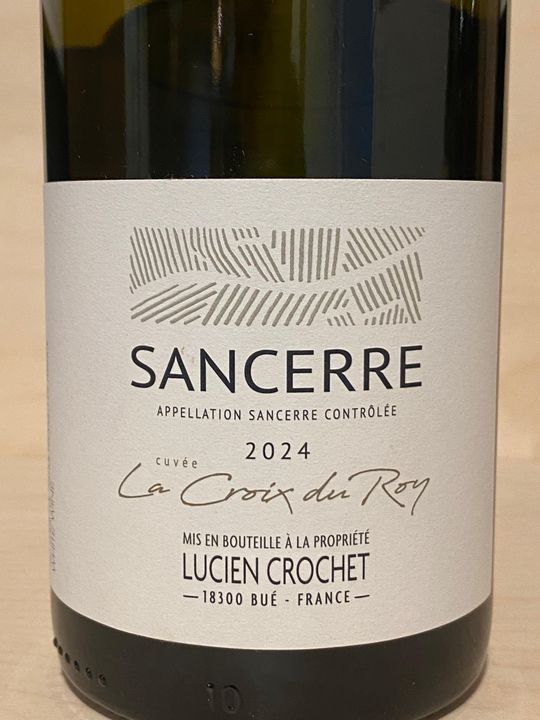
Lucien Crochet "Croix du Roy" Sancerre Blanc 2024: Loire Valley, France
Grape: Sauvignon Blanc Region/History Notes: Sancerre may be tiny on the map, but it’s a geological wonderland for Sauvignon Blanc. Located on the eastern edge of the Loire, its vineyards grow in three distinct soil types: flinty silex that brings smoky, gunflint aromas; chalky caillottes that deliver zippy citrus brightness; and Kimmeridgian marl that adds texture and depth. The cool continental climate offers long, sunny days and brisk breezes, locking in acidity and aromatic lift. The result? Wines that taste like citrus, fresh herbs, and crushed rock…basically geology you can drink! Lucien Crochet has been one of my favorite Sancerre producers for over a decade, and this bottle does not disappoint. Tasting Notes: This is a perfect example of Sancerre: white peach pits, lemon and grapefruit pith, underripe melon rind, and just a touch of salinity to the finish giving the wine a tactile edge. Pair with simply seared scallops with just a touch of salt, pepper, and garlic!$69.00
Maison Foucher Vouvray "La Vigne des Sablons" 2024: Loire Valley, France
Grape: Chenin Blanc Region/History Notes: No place uses the Chenin Blanc grape quite like Vouvray, located in the Touraine district of the Loire Valley, does. With it’s naturally high acidity the grape is a playground for winemakers, and the winemakers in Vouvray make it all from Chenin Blanc: still and dry, still and slightly sweet, still and half-sweet, still and very sweet, fully sparkling and sweet, etc. Their variety is unmatched, and if you’re looking for somewhere to begin with Chenin Blanc, Vouvray is a great place to start! Tasting Notes: Ripe quince drizzled with honey, soft yellow flowers, and the richness of that lanolin (aka Chenin “funk”) quality on the palate to add depth. Serve this wine will a good chill to see how the acidity balances out the residual sugar, or let the wine warm up see how the fruit and sweetness shine through! Pair with country ham or pork chops with apples and onions.$24.00
Manuel Formigo "Tino" 2023: Ribeiro, Galicia, Spain
Grape: Albilla del Avia Region/History Notes: “Tino” is named for Manuel Formigo’s grandfather, who spent his life protecting the Albilla de Avia grape from extinction. Not to be confused with Albillo, another white variety common in Galicia, Albilla de Avia is incredibly rare—Manuel claims 95% of the remaining vines are found on his 6-hectare estate. After returning to the family adega (winery) following his grandfather’s death, Manuel has moved away from industrial viticulture, using only estate fruit and tending the vineyards by hand (or the occasional horse). “Tino” comes from a single parcel in the Miñoteira vineyard, with only about 1,500 bottles produced annually. Tasting Notes: Vinified entirely in stainless steel without malolactic fermentation, this is bright and energetic, with notes of lemon balm and orange peel, a medium body, and a long, lively finish. Delicious with creamy lemon-herb chicken.$40.00
Markus Molitor Ockfener Bockstein Riesling Spätlese 2020: Mosel, Germany
Grape: Riesling Region/History Notes: Germany has historically classified its wines, at least in part, by grape ripeness at harvest—a particularly important consideration in the marginal climate of northern Europe. Markus Molitor has taken a consumer-friendly approach to Germany’s notoriously complicated wine classification system, using capsule colors to indicate style and sweetness level. “Spätlese,” the second level of the Prädikat system, translates to “late harvest,” meaning these grapes were fully ripe and picked about two weeks later than those destined for the lighter Kabinett style. Spätlese Rieslings often retain some residual sugar, but this is a rare dry example, indicated by Molitor’s white capsule! Tasting Notes: The nose is classic Riesling, with notes of petrol, lemon-lime, and jasmine, but it’s the fuller body that sets this one apart! Rich and flavorful, with flavors of beeswax and pineapple, it finishes long and dry. Pair with a creamy coconut curry!$67.00
Mas de Daumas Gassac Blanc 2019: Languedoc France
The first “Grand Cru” in Languedoc began in 1971 with Henri Enjalbert’s declaration of the potential of this particular area of the Gassac Valley. He literally wrote the book on Saint Émilion and he was the chair of Geography at the University of Bordeaux! This family operation now has 43 vintages and their wines are highly esteemed all over the world. While the majority of the blend is a mix of Viognier, Chardonnay, Petit Manseng, and Chenin Blanc, a small percentage of the wine is a smattering of white varieties. All their grape vines are uncloned, so the yield is extremely low and the quality is very high. 5-7 days of skin contact with the grapes adds weight and texture, so you might be tempted to think there is oak aging, but everything is done in stainless steel. They recommend 5-10 years aging for their whites. I have tried this wine with 8 years age on it and it was one of the most memorable wine moments of my life! So don’t be afraid to lay this one down!$99.00
Mas de Daumas Gassac Blanc 2020: Languedoc France
The first “Grand Cru” in Languedoc began in 1971 with Henri Enjalbert’s declaration of the potential of this particular area of the Gassac Valley. He literally wrote the book on Saint Émilion and he was the chair of Geography at the University of Bordeaux! This family operation now has 43 vintages and their wines are highly esteemed all over the world. While the majority of the blend is a mix of Viognier, Chardonnay, Petit Manseng, and Chenin Blanc, a small percentage of the wine is a smattering of white varieties. All their grape vines are uncloned, so the yield is extremely low and the quality is very high. 5-7 days of skin contact with the grapes adds weight and texture to the wine, so you might be tempted to think there is oak aging, but everything is done in stainless steel. They recommend 5-10 years aging for their whites. I have tried this wine with 8 years age on it and it was one of the most memorable wine moments of my life! So don’t be afraid to lay this one down!$99.00
Meridiano Perdido Sobremar 2022: Spain
Grape: Palomino Region/History Notes: Meridiano Perdido is winemaker Joaquín Gómez Beser’s personal project in Jerez, inspired by his two passions: the vineyard and the sea. Sobremar is 100% Palomino from Viña La Mendoza in Pago Cerro Pelado, planted in 1965 on Jerez’s white albariza, chalk-rich soils that hold winter rainfall through hot summers. The vineyard is organically farmed, with grapes hand-harvested at night and fermented in inert tanks. Tasting Notes: Think oyster shells, limestone river rocks and sidewalk after a rainstorm layered with lime pith and green apple. The palate is surprisingly mild and approachable: yellow apple, dried pineapple and underripe white peach. This is whiplash wine (wine that is completely different from what the nose promises!) A dandelion herbaceous note is another great surprise on the finish adding to its wild character. Pair with something simple like grilled chicken, or go all out with Mexican street corn, al pastor pork and pineapple tacos.$30.00
Ogier "Artésis" Côtes du Rhône Blanc 2024: Rhône Valley, France
Grapes: Grenache Blanc/Roussanne/Viognier Region/History Notes: Region/History Notes: While the Rhône Valley is best known for its reds, it’s always a treat to find a standout white! Côtes du Rhône Blancs—typically blends of Marsanne, Roussanne, Grenache Blanc, and Viognier—are known for their round texture, moderate acidity, and slightly higher alcohol. Maison Ogier hand-harvests the grapes, ferments in stainless steel, and ages the wine on lees for four months to build texture and complexity. No malolactic fermentation here—just pure, expressive fruit. Tasting Notes: Aromas of white peach and orange blossom lead to a rich yet balanced palate of honeycomb, clementine, and a hint of nuttiness. If you love Chardonnay but want to branch out, this is a great place to start. Pair with chicken pot pie, lobster ravioli, or halibut with citrus beurre blanc.$24.00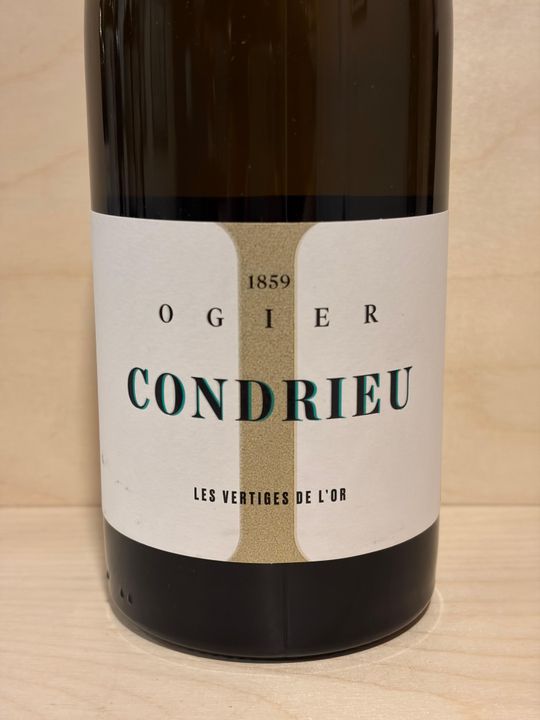
Ogier "Les Vertiges de L'or" Condrieu 2024: Northern Rhône Valley, France
$115.00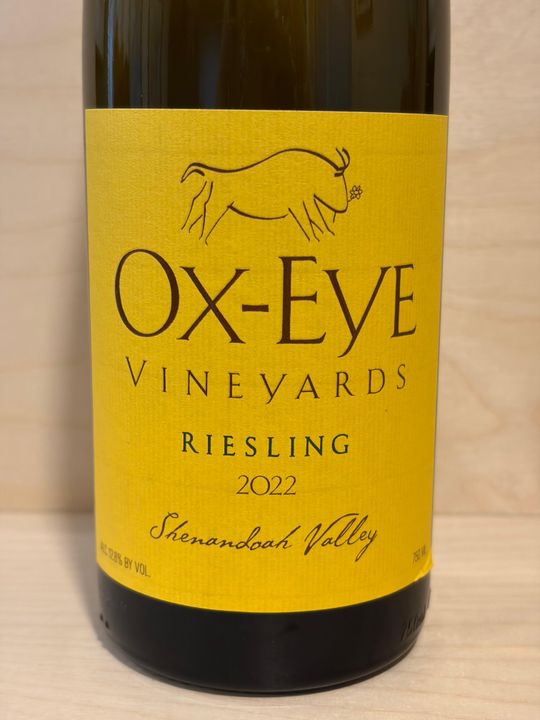
Ox-Eye Riesling 2022: Shenendoah Valley, Virginia
Grape: Riesling Region/History Notes: Husband-and-wife team John and Susan Kiers purchased a 100-acre farm in 1996 and began planting vines. After selling fruit to other producers for more than a decade, they built a winery in 2010 and started bottling estate wines. Today, joined by their daughter Harriet, the Kiers family crafts some of Virginia’s most exciting wines from 100% estate-grown fruit. Their vineyards, located in Augusta County near Staunton at roughly 1,800 feet elevation, benefit from limestone soils and significant day-night temperature swings, helping preserve freshness and natural acidity. Tasting Notes: Holy honeysuckle! Intense yellow floral aromas leap from the glass alongside lemon drop and ripe apricot. Though labeled off-dry, this Riesling remains vibrant and energetic thanks to its bright acidity. A chalky mineral finish keeps the richness in check. Pair with a grilled Muenster cheese sandwich and fig jam.OUT OF STOCK$28.00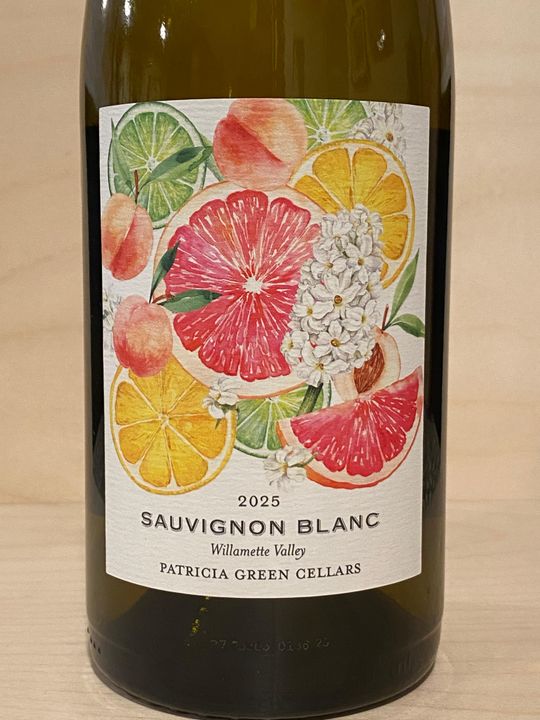
Patricia Green Cellars Sauvignon Blanc 2025: Willamette Valley, Oregon
Grape: Sauvignon Blanc Region/History Notes: Patricia Green had such an incredible vision for wine in Oregon. She and Jim Anderson, who is now the owner and winemaker since Patty’s passing a few years ago, have been revolutionary in their view of Willamette Valley. They make around 30 different Pinot Noir labels, each highlighting specific vineyards to showcase how terroir changes the wine. Seek out their Pinot Noirs, but their whites are also delicious! Jim hates Pinot Gris, so instead of that he makes a Sauvignon Blanc. Tasting Notes: As the gorgeous label might suggest, there are loads of citrus flavors in this wine! One sniff and you’ll discover key limes, pink grapefruit, Meyer lemons, and even tangerines, the wine is citrus-dominant for sure! As it opens up you’ll find peaches and melon, and you might be surprised by the softer acidity. Perfect for warm summer nights, maybe with a little herb goat cheese to snack along with it!$36.00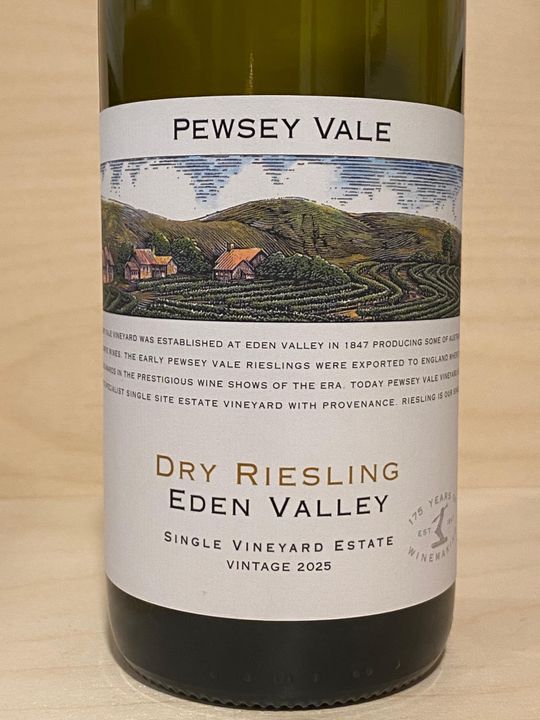
Pewsey Vale Dry Riesling 2025: Eden Valley, Australia
Grape: Riesling Background Notes: While most Americans think of Riesling as a sweet grape, it’s because post-WWII Germany focused on sweet wine exports to the US who had developed quite a sweet tooth! The bulk of Riesling made all over the world is actually on the drier side! Australia focuses on bone-dry Riesling that still has the same structure, flavors, and acidity as the sweet styles, just without the sugar. Eden Valley is encompassed by Barossa, but its higher elevation makes it a a cool climate wine region, making it known for their spectacular Rieslings. Tasting Notes: Loads of lime, lemon zest, and grapefruit- basically all the citrus! With white peach, dried apricot, honeydew, bright acid, and just a hint of fresh spring flowers, it pairs great with grilled seafood.$31.00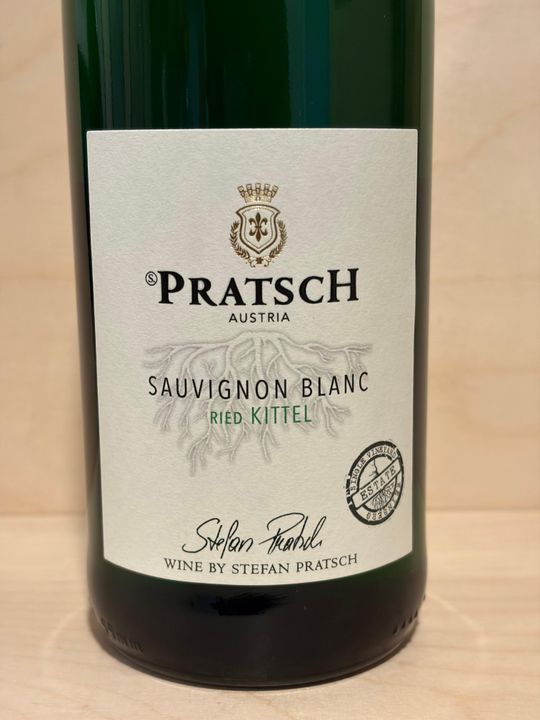
Pratsch Ried Kittel Sauvignon Blanc 2022: Niederösterreich, Austria
Grape: Sauvignon Blanc Region/History: Austria may be best known for Grüner Veltliner and dry Riesling, but its cool, mountainous vineyards also produce beautifully elegant Sauvignon Blanc. The Pratsch family farms organically in Niederösterreich, where cool nights preserve vibrant acidity and mineral-rich soils favor precision over power. This bottling comes from Ried Kittel, a single vineyard—“Ried” simply means vineyard in Austrian wine terminology. Tasting Notes: Lime zest, grapefruit, white peach, fresh herbs, and wet stone show remarkable purity. Crisp and energetic, the palate balances citrus-driven fruit with subtle herbal notes and a pronounced mineral backbone, leading to a long, mouthwatering finish. Less overtly fruity than Marlborough Sauvignon Blanc, this is a wine of finesse and restraint. Pair with oysters, grilled shrimp, goat cheese, fresh salads, or enjoy on a warm evening when something bright and refreshing is in order.$28.00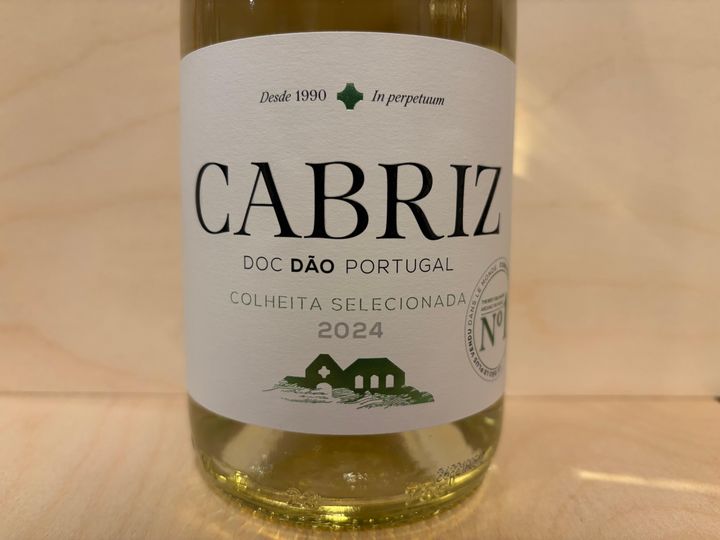
Quinta Cabriz Colheita Selecionada 2025: Dão, Portugal
Grapes: Encruzado/Bical/Malvasia-Fina/Cerceal-Branco Region/History Notes: Quinta de Cabriz is one of the most renowned estates in the Dão region, nestled between the Mondego and Dão rivers. The property spans about 94 acres of vineyards interwoven with pine forests. The region’s granite and schist soils, shaped by a continental climate, produce wines of freshness and depth. This blend of four native Portuguese grapes—Bical, Cerceal-Branco, Encruzado, and Malvasia-Fina—balances aromatics, structure, and vibrant lift. Tasting Notes: Green tropicals and lifted florals leap from the glass, layered with fresh, grassy herbs. The palate is bright and zesty, with notes of jasmine green tea, pithy lime, and citrus blossom. Refreshing and vibrant—the perfect partner for sushi or spicy takeout!$16.00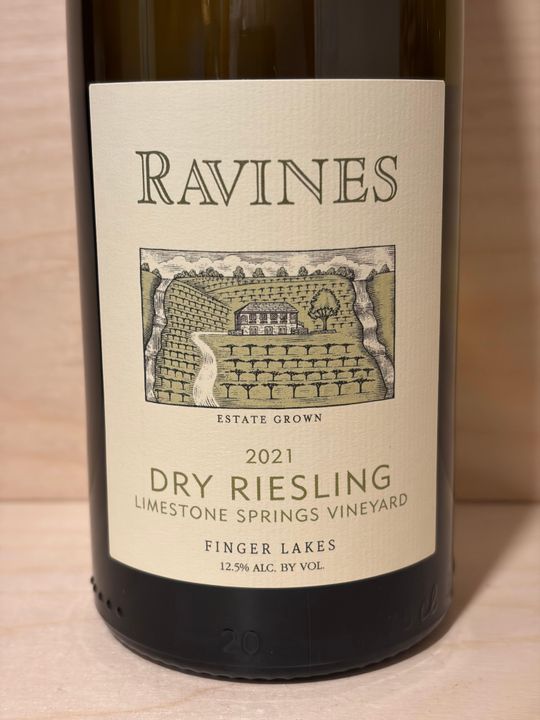
Ravines "White Limestone Springs" Dry Riesling 201: Finger Lakes, New York
Grape: Riesling Region/History: The Finger Lakes has become the U.S. home for Riesling, producing everything from bone-dry to lusciously sweet styles. Ravines works primarily with three estate vineyards, with this bottling from Limestone Springs Vineyard, formerly White Springs. Facing east for gentler morning sun, the site’s Honeoye loam over limestone bedrock contributes tension and mineral character. Tasting Notes: Honeycomb, candied pineapple, dried mango, and bruised orchard fruit fill the glass, yet the palate is surprisingly dry and lean, driven by bright citrus and subtle phenolic grip. A few years of bottle age have brought graceful development, with more complexity expected over the next five years. Pair with teriyaki-glazed salmon or shrimp Pad Thai, avoiding overly spicy dishes. Give it time in the glass to unfold.$39.00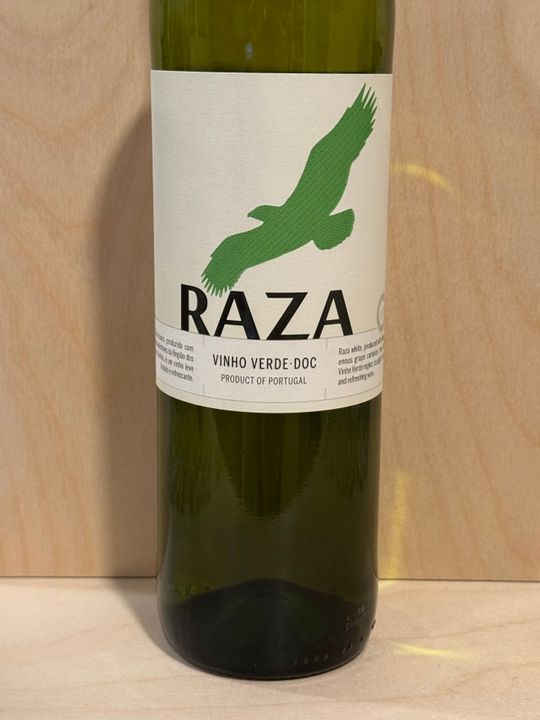
Raza Vinho Verde Branco 2025: Vinho Verde, Portugal
Grapes: Arinto/Azal/Trajadura History/Region Notes: Did you know that Vinho Verde (the “h” is silent) is a region, not just a style? Located in the North-East corner of Portugal along the Spanish border in the cool climate, high-elevation vineyards of the Minho region, the rainy weather and granitic soils provide quite an interesting terroir for vines. Vinho Verde became synonymous in the US with a slightly spritzy, slightly sweet, very low alcohol content wine that was almost like a wine cooler. But there are lots of styles of wines from the region. While this wine has the tell-tale spritz, it is fermented all the way dry so the alcohol is 11.5%. It is a slightly more serious wine but still meant to be fun, fruity and perfect for warm weather! Tasting Notes: Green apple Jolly Ranchers, more green apple notes, and top it all off with key limes and green melon—the wine couldn’t be more refreshing if it tried!$15.00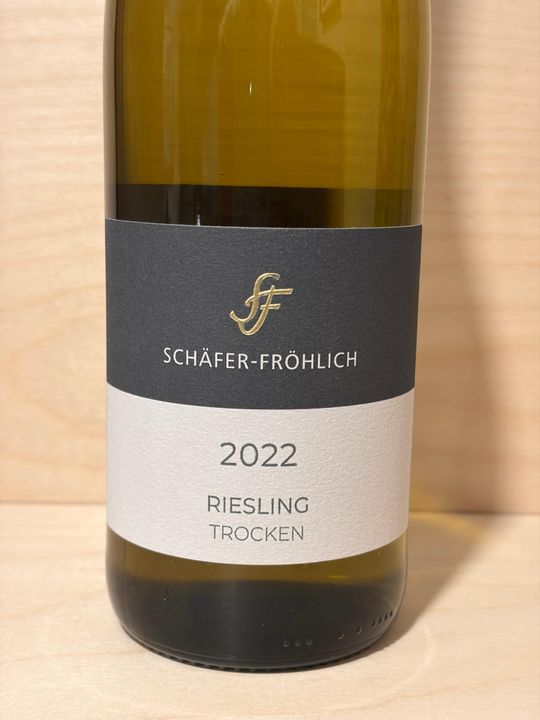
Schafer Frohlich Estate Troken Riesling 2022: Nahe, Germany
Grape: Riesling Region/History Notes: Based in the Nahe, Tim Fröhlich farms some of Germany's most coveted vineyards, many planted on steep volcanic and slate slopes. Even the estate Riesling receives the same meticulous attention as the winery's Grand Cru bottlings and can easily age for a decade, making it one of the finest introductions to the house style. Tasting Notes: Aromas of Amalfi lemon, bergamot, lime blossom and green apple leap from the glass before giving way to an intensely mineral palate. Despite its concentration, the wine feels almost weightless, driven by laser beam acidity and remarkable precision rather than richness. There is tremendous tension here, finishing with an almost salty persistence that lingers long after the fruit fades. This is a Riesling for lovers of Chablis and Loire whites who appreciate purity over opulence. Pair with oysters, ceviche, sashimi or simply grilled white fish with lemon!$39.00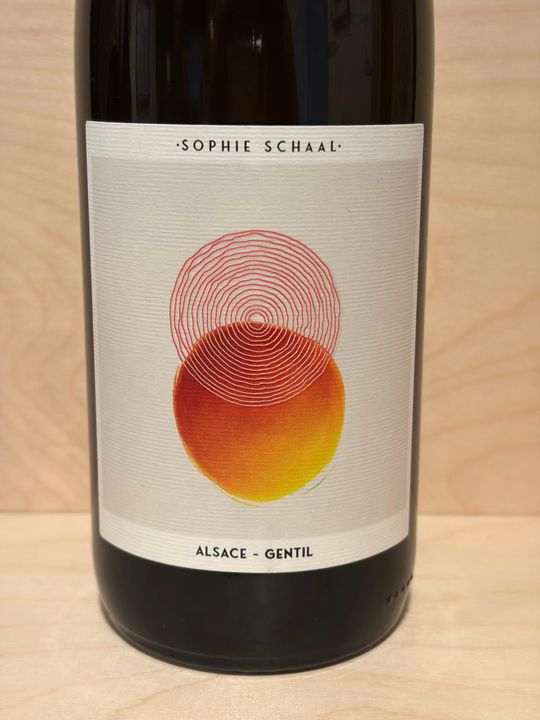
Sophie Schaal Gentil 2025: Alsace, France
Grapes: Gewurztraminer/Pinot Gris/Pinot Blanc Region/History Notes: Sophie Schaal, from Burgundy, and her Alsatian husband Julian met while working in South Africa after graduating from oenology school. Today, they maintain their individual wine brands while dividing their time between Alsace and South Africa. “Gentil” isn’t currently a legally recognized term, but traditionally refers to blends containing at least 50% of Alsace’s four noble grapes: Riesling, Muscat, Pinot Gris, and Gewürztraminer. Sophie’s blend is primarily Gewürztraminer and Pinot Gris, with some Pinot Blanc, sourced from organic, clay-limestone vineyards. Tasting Notes: I just love the silky, slightly weighty texture of Alsatian whites! Gewürztraminer can be overly floral, but this strikes a perfect balance, with white flowers alongside pear, citrus, lychee, and apricot. Pair with pork schnitzel, fresh lemon and red cabbage slaw, or Thai takeout!$30.00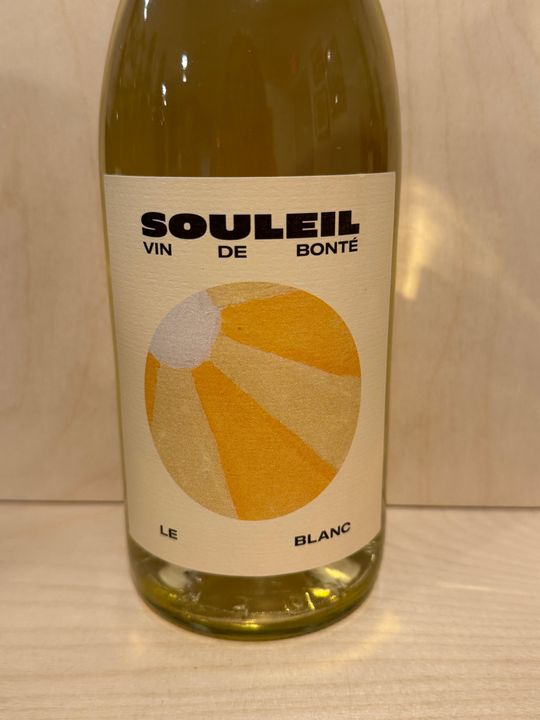
Souleil Vin de Bonté "Le Blanc" 2024: France
Grapes: Piquepoul/Terret Blanc Region/History Notes: Whether we’re talking Provence or Languedoc-Roussillon, the sun-kissed, breezy lands of Southern France are prime territory for organic viticulture. Longtime friends and wine professionals Marianne and Thomas launched Souleil in 2021 after years of dreaming of sustainably focused wines that embody an endless summer. As summer draws to a close, I tasted this wine and immediately thought it was the perfect bottle to carry us into September and say farewell to the last few sweltering days of the season! Tasting Notes: All kinds of yellow and orange fruit, from tangerine and mandarin to cantaloupe, with a slightly waxy texture followed by a chalky, even quite salty finish. Such a versatile wine for food pairing: think summer favorites like chicken and pineapple kabobs or fall dishes like grilled cheese with smoked bacon and pickled red onions!$22.00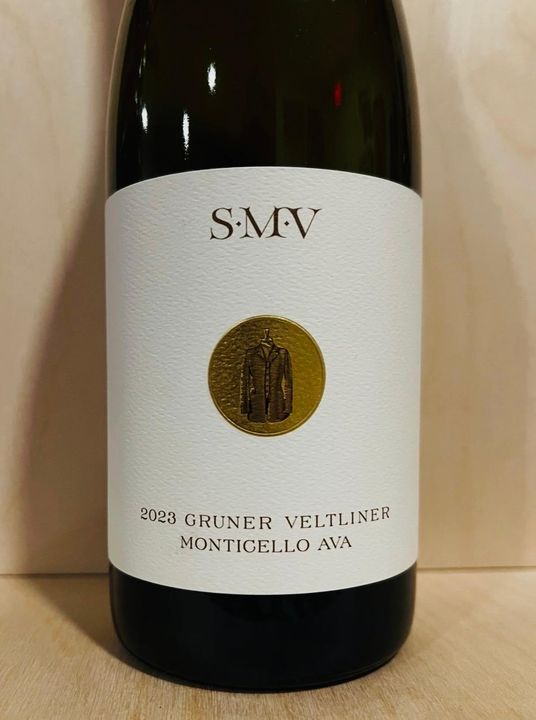
Southwest Mountains Vineyards Grüner Veltliner 2023: Monticello, Virginia
$35.00
Sutherland Viognier Roussanne 2023: Stellenbosch, South Africa
$27.00
Tenuta Ponte "Selece" Greco di Tufo 2024: Campania, Italy
Grape: Greco Region/History Notes: In the heart of Campania lies the Valle del Sabato, where crumbling sulfur (tufo) mines still scent the air. As one winemaker told me, the best Greco di Tufo will always carry a hint of that character—not like you’ve met the devil, but maybe his mistress. This wine is 85% Greco and 15% Coda di Volpe, grown at ~1,200 feet in tufo-rich volcanic soils that yield focused, lean, mineral-driven wines. Tenuta Ponte takes its name from the 2,000-year-old Roman bridge you cross to reach the vineyards—locally nicknamed the “devil’s bridge.” Tasting Notes: Lemon, yuzu, pineapple—juicy, bright, and bursting with all things yellow. Mineral-driven with a hint of flint from the tufo soils, it’s perfect with scallops or linguine with clams.$39.00
The Fableist Albariño 2025: Central Coast, California
Grape: Albariño Region/History Notes: Based in Paso Robles, The Fableist began as a small side project between Andrew Jones of Field Recordings and Curt Schalchlin of Sans Liege. They source grapes from across the Central Coast, prioritizing fruit from certified organic or practicing organic vineyards with the goal of becoming 100% organic by 2028. Each bottle in the lineup is inspired by one of Aesop’s Fables. This 100% Albariño is named after Fable 426, The Fox and the Stork, a story about humility and treating others as we wish to be treated. Tasting Notes: Whole-cluster pressing, plus fermentation and aging in stainless steel preserves all the delicate aromatics of Albariño, giving us a pure, fresh version of this variety. Fresh honeydew melon, honeysuckle blossoms greet your nose. The slight effervescence on palate leads to flavors of ripe pineapple, mango, limes, and apricot. Pair with seared halibut topped with a mango salsa with tons of fresh cilantro and lime juice.OUT OF STOCK$30.00
The Hare & the Tortoise Pinot Gris 2025: King Valley, Australia
Grape: Pinot Gris Region/History Notes:King Valley is located in Northeast Victoria, set in the foothills of the Australian Alps. Celebrated for Italian grape varieties, it has been one of Victoria’s key wine regions since the 1800s. A continental climate brings hot summers and cold winters, while higher elevations create significant diurnal temperature shifts. These conditions extend the growing season, allowing grapes to ripen slowly and develop layered complexity. Tasting Notes: Aromatic and inviting, this wine offers baked yellow apple, raw honeycomb, dried orange peel, and lemon verbena. Though rich and layered at first, a linear core and bright acidity keep it lifted and refreshing. An ideal pairing for roasted turkey, root vegetables, or bone-in pork chop, it is a quintessential fall and winter white, equally suited for the table or sipping on its own.OUT OF STOCK$26.00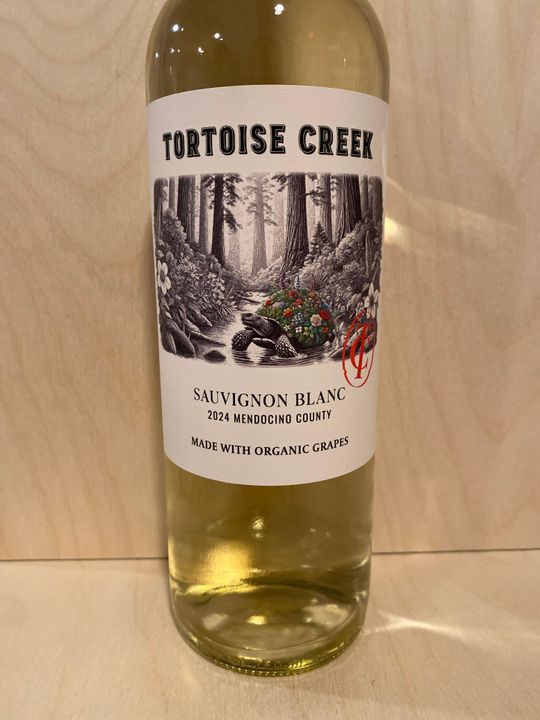
Tortoise Creek Sauvignon Blanc 2024: Mendocino County, California
Grape: Sauvignon Blanc Region/History Notes: Tortoise Creek, founded by French winemaker Pascal Toxé and his wife Kim, crafts wines that blend French elegance with California fruit. Mendocino County’s cool Pacific influence, morning fog, and sunny afternoons allow Sauvignon Blanc to ripen slowly while keeping crisp acidity. Many local vineyards are farmed organically or sustainably, reflecting the region’s environmental commitment. Fruit for this bottling comes from cooler sites where coastal breezes preserve bright aromatics and a mineral edge. Tasting Notes: Vibrant aromas of melon, grapefruit, lime zest, and green apple mingle with fresh herbs and citrus blossom. Crisp and refreshing on the palate, flavors of lemon, melon, and pear are balanced by lively acidity and a clean mineral finish. Light, energetic, and expressive, this Sauvignon Blanc pairs beautifully with oysters, goat cheese salads, grilled shrimp, or herb-and-olive-oil pasta. Cheers!$21.00
Uva Non Grata Gros Manseng 2025: France
Grape: Gros Manseng Gros Manseng is not to be confused with its parent, Petit Manseng which is often made into sweet wines in the South of France. Though grown prevalently in the South of France and some in Spain, is not a very well-known grape variety. It has a thick skin to the berry which makes it more resistant to some diseases, but makes it easier for wines to become bitter and astringent if not handled properly. Tasting Notes: There is a touch of funky qualities to the wine coming from the thicker skins of the grape, a touch of salinity to the finish due to the seaside vineyards, a touch of floral aromas to the wine, and a touch of sweetness to the finish. All of these notes are woven over ripe melon and golden delicious apple flavors. This wine is as fun as the label leads you to believe! Pair with anything from grilled cheese sandwiches, to mild curry dishes, to sautéed veggies!$19.00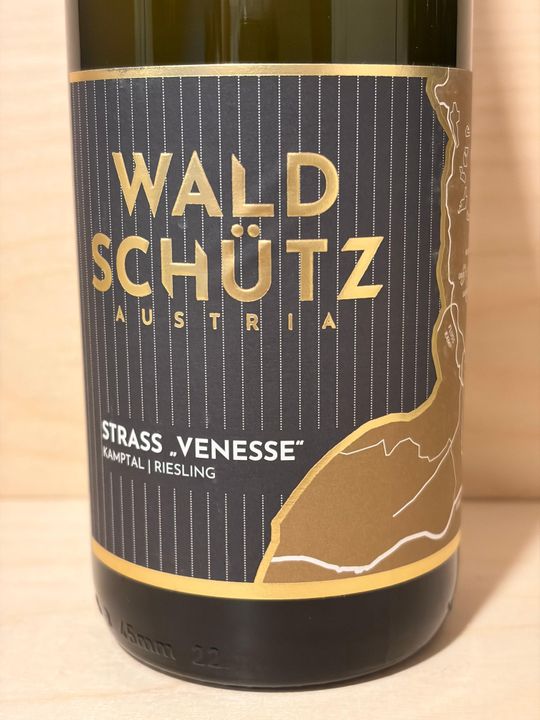
Wald Schütz “Venessee” Riesling 2022: Strass, Kamptal, Austria
Grape: Riesling (dry) Region/History Notes: Kamptal may be better known for Grüner Veltliner, but its dry Rieslings can be every bit as compelling. The region’s cool climate and stony soils produce wines with vibrant acidity, pronounced minerality and remarkable precision. If you love high acid, mineral driven whites from the Loire Valley, Kamptal should be the next region on your list. Tasting Notes: This wine is more peppery, flinty and mineral driven than fruit forward at first. As it opens, subtle notes of apricot, and lemon pith begin to emerge, joined by a delicate herbal character. The finish is softer than you might expect from such a precise and focused palate. That extra texture makes it approachable now, but this is still a food driven Riesling built to develop with time. Pair it with spring rolls or a caprese salad with fresh basil and sea salt. You could also hold it for another five years and watch its savory, mineral character continue to evolve.$37.00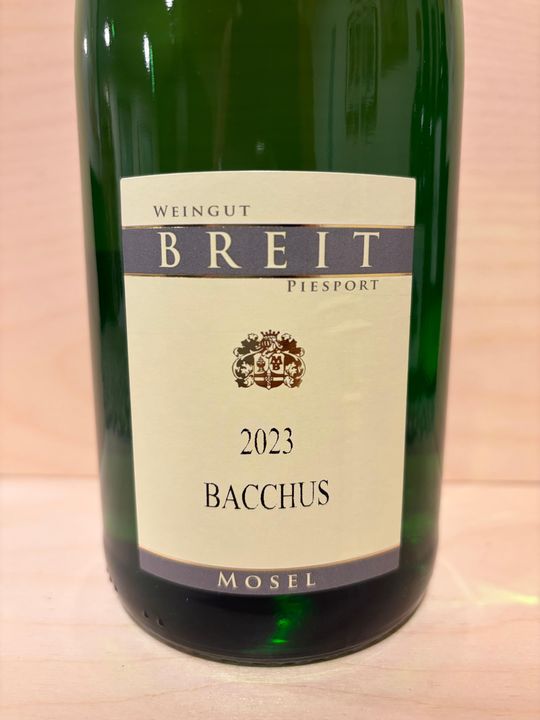
Weingut Breit Bacchus 2023: Piesport, Mosel, Germany
Region/History Notes: We often focus on famous grapes from famous places, overlooking gems like Bacchus—yes, named after the god of wine. Bacchus is a cross of Silvaner, Riesling, and Müller-Thurgau, bred by Peter Morio at Geilweilerhof in 1933. One of the most important modern crossings, it produces aromatic wines with lower alcohol and moderate acidity. Early ripening makes it ideal for cool climates like Germany and England. Piesport sits on a sharp bend of the Mosel River, where steep, south-facing slopes provide excellent ripening conditions. Grape: Bacchus Tasting Notes: The nose bursts with orchard fruit, from ripe to dried, layered with fresh lemon and chamomile tea. Off-dry on the palate, vibrant acidity keeps it fresh and playful—an excellent match for salt and pepper prawns.$20.00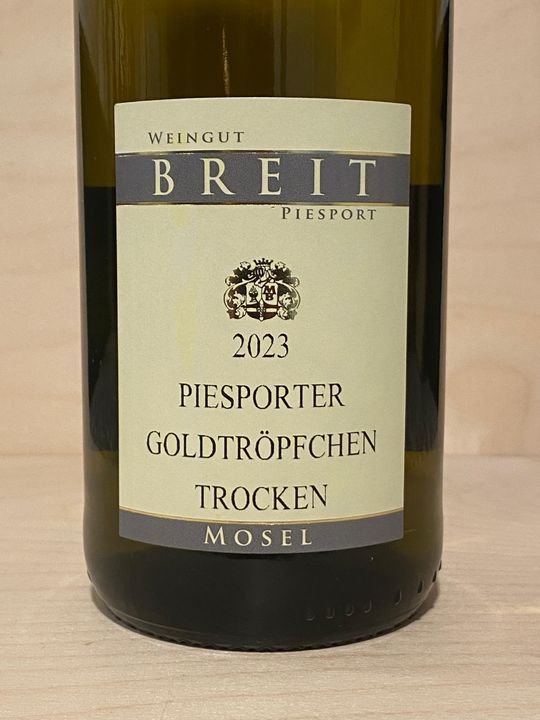
Weingut Breit Riesling Goldtröpfchen Trocken 2023: Mosel, Germany
Grape: Riesling Region/History Notes: The Breit family has been growing grapes since 1880, with current-generation winemaker Holger Breit transforming the family business into a modern, sustainability-focused operation. Since 2000, Holger has acquired several hectares in Piesport, including prized south-facing parcels in the Göldtröpfchen (meaning “gold droplet”) vineyard. Long sunshine hours and heat-retaining Devonian slate help the slowly grapes ripen in the cool climate of the Mosel Valley. Contrary to popular belief, not all Riesling is sweet! “Trocken” on the label indicates this wine is dry Tasting Notes: A classic petrol nose leads into bright aromas and flavors of lime, pear, green melon and fresh ginger. Light with a crisp, dry finish. This is exactly what I want to pair with crispy lumpia and a simple rice vinegar-based dipping sauce — the high acidity of the wine will cut right through the oily wrappers and refresh your palate for the next one!$28.00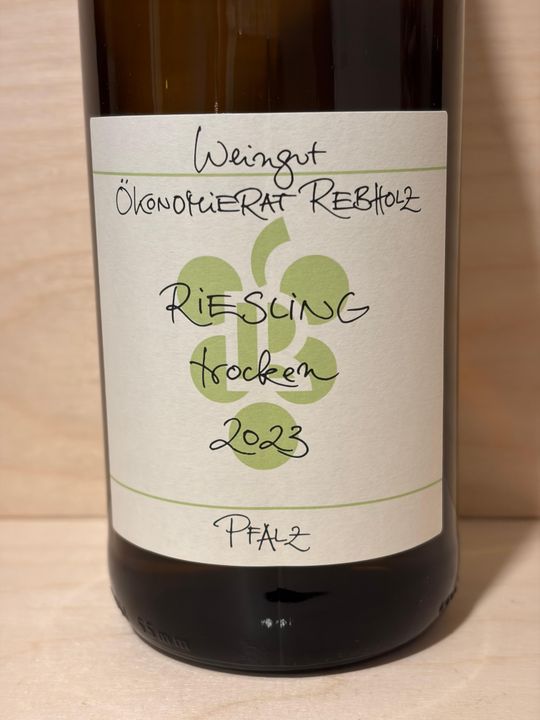
Weingut Ökonomierat Rebholz Trocken Riesling 2023: Pfalz, Germany
Grape: Riesling Region/History: The Finger Lakes has become the U.S. home for Riesling, producing everything from bone-dry to lusciously sweet styles. Ravines works primarily with three estate vineyards, with this bottling from Limestone Springs Vineyard, formerly White Springs. Facing east for gentler morning sun, the site’s Honeoye loam over limestone bedrock contributes tension and mineral character. Tasting Notes: Honeycomb, candied pineapple, dried mango, and bruised orchard fruit fill the glass, yet the palate is surprisingly dry and lean, driven by bright citrus and subtle phenolic grip. A few years of bottle age have brought graceful development, with more complexity expected over the next five years. Pair with teriyaki-glazed salmon or shrimp Pad Thai, avoiding overly spicy dishes. Give it time in the glass to unfold.$42.00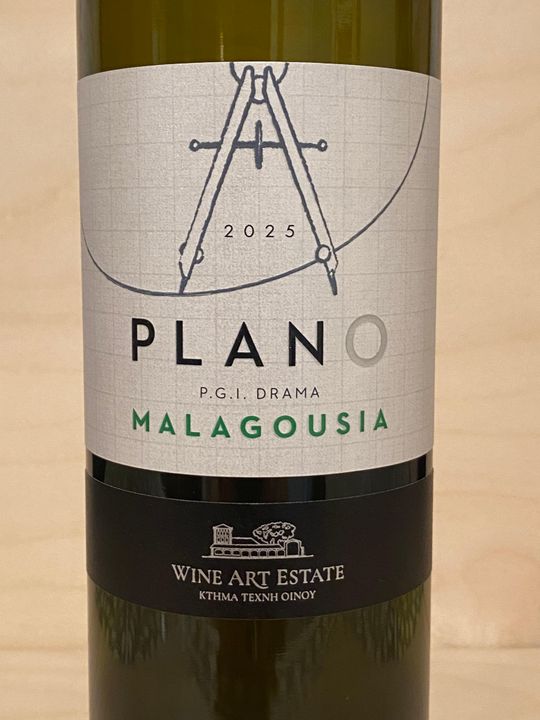
Wine Art Estate "Plano" Malagousia 2025: Drama, Greece
Grape: Malagousia Region/History Notes: Wine Art Estate’s “Plano” collection features single-varietal wines made from indigenous Greek grapes. Plano is Greek for plan, a nod to the estate’s founders, Giannis Papadopoulos and Giannis Kalaitzidis, who were both civil engineers. prior to entering the wine trade. Once considered obscure, Malagousia experienced a revival in the 1970s and is now a prized variety. Generally dry, these wines are often vilified in steel, although naked versions are common as well. This particular Malagousia is fermented and aged exclusively in stainless steel. After fermentation, the wine spends one month on its fine lees, adding a touch of texture while preserving its bright acidity and floral aromatics. Tasting Notes: Orange blossom, white flowers, and freshly picked herbs lead on the nose. The palate is bright and refreshing, with juicy stone fruit and vibrant citrus flavors. Pair with lemony vegetarian dolmades!$30.00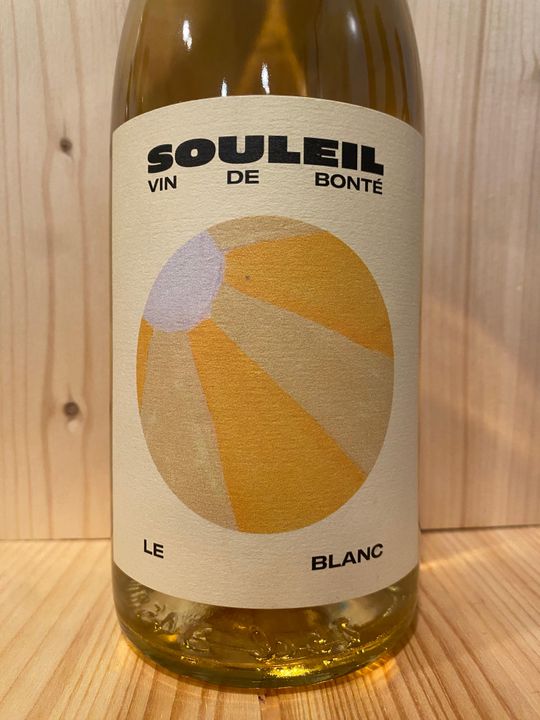
Souleil Vin de Bonté "Le Blanc" 2022: Southern France
Grape: Picpoul/Terret Blanc/Ugni Blanc Region/History Notes: The sun-kissed, breezy lands of Southern France are prime spots for organic viticulture. Longtime friends and wine professionals Marianne and Thomas launched Souleil in 2021 after years of dreaming of producing sustainably-focused wines that embody the endless summer. As summer draws to a close for us, I tasted this wine and thought it was the perfect bottle to carry us into September and say farewell to the last few sweltering days of the season! Tasting Notes: Calling all members of the Flinstone vitamin generation, because that’s exactly what this wine makes me think of—in a good and delightfully nostalgic way! All kinds of yellow and orange fruit from tangerines to mandarins to cantaloupe, plus a slightly waxy texture followed by a chalky and even quite salty finish. This is such a versatile wine for food pairing: think anything from chicken kabobs, to fresh hummus and pita, to pork dumplings!OUT OF STOCK$20.00
Clark Estate "Riverside Terrace" Sauvignon Blanc 2023: Marlborough, New Zealand
Grape: Sauvignon Blanc Region/History Notes: Marlborough is located at the tip of New Zealand's South Island, a place once deemed too cool for viticulture and known mostly for all its roaming sheep prior to the first vines being planted in 1973. Today, the region accounts for 69% of the nation’s total vineyard area and 80% of what you’ll find planted here is Sauvignon Blanc. An aromatic variety to begin with, Sauvignon Blanc loves the diurnal temperature variation (i.e., dramatic day-to-night temperature differences) in Marlborough where it develops intense tropical fruit flavors while retaining its characteristic high acidity. Tasting Notes: The greenest of green apples with bright starfruit, pineapple, and a touch of yellow bell pepper—Sauvignon Blanc is never the introvert at the party, that’s for sure! Flashy aromatics with a taut, acid-driven structure, I want this with grilled chili-lime shrimp!$23.00
Martoccia "Poggio Apricale" Toscana 2024: Tuscany, Italy
Grapes: Sangiovese, Merlot, Colorino Region/History Notes: Montalcino, a village in Tuscany, is known for making the incredible and age-worthy Brunello wines, made from 100% Sangiovese. Podere Martoccia is a producer in Montalcino known for gorgeous Brunello wines. This wine is a ‘Baby Brunello,’ so it’s all the same vineyards of Sangiovese in Montalcino but has a touch of Merlot and Colorino grapes blended in with much less oak aging. Usually ‘Baby Brunello’ wines are made from younger vines, lower elevation vineyards, or just the grapes that didn’t make the cut for the premier labels. This means the wine is ready to drink when released and is approachable not just in style, but in price point! Tasting Notes: Bright red cherry notes and hints of bay leaf and tarragon with a finish that is a little spicy like cloves and cinnamon. Just 3 months in Slovenian and French oak give the wine structure and depth but it is absolutely fresh and lifted. Perfect pasta or pizza wine!$29.00
Atlas Wine Co. "Omen" Chardonnay 2022: Lodi, California
$28.00
Ovum "Big Salt" White 2024: Oregon
This wine isn’t just a blend of grape varieties, but it is also a blend of vineyard sites and regions from select growers across all of Oregon all co-fermented together. Tasting Notes: For this lovely blend, Riesling brings high acid, a linear structure, and more delicate floral notes to the table, making up 50% of the blend. Gewürztraminer, which makes up 30% of the blend, is bringing the tropical fruit like lychee and pineapple, along with more pungent floral notes like lily, white rose, and honeysuckle to the flavor profile. There rest is a conglomeration of multiple grapes that all bring their own personality to the wine. Each grape both balances and highlights the other varieties in this eclectic and expressive wine and the finish is salty, fresh, and vibrant—making the wine so adequately named! Every sip makes my mouth water and beg for another, especially if I am drinking it with pasta carbonara!$31.00
Sparkling
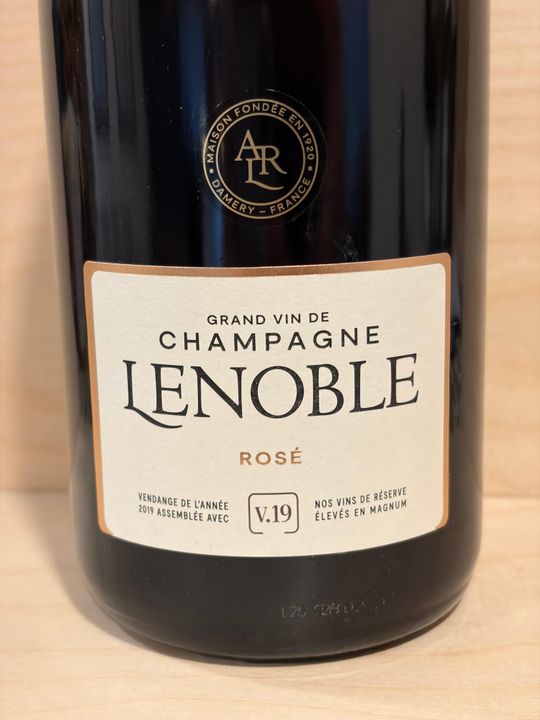
A.R. Lenoble V.19 Rosé Extra Brut NV: Champagne, France
Grapes: Chardonnay/Pinot Noir Region/History Notes: In general, the European Union prohibits producers from making rosé by blending red and white wines. Rosé Champagne is an exception! This wine is composed of 80% Chardonnay and 20% Pinot Noir and is produced in an Extra Brut style, with just 3 g/L of dosage added before corking to balance the naturally high acidity of grapes grown in Champagne’s cool climate. Forty-five percent of the base wine comes from the 2019 vintage, indicated by the “V.19” on the label, while the remainder is drawn from reserve wines. A signature practice of A.R. Lenoble is aging their reserve wines on the lees in magnum bottles, sealed under cork and held in place with a staple, for a minimum of four years before blending with the current vintage. Tasting Notes: Aromas of fresh strawberries and cream lead the way, followed by hints of red currant, citrus zest, and a touch of brioche. The palate is crisp and precise, yet elegant.Pass the caviar and blinis!$85.00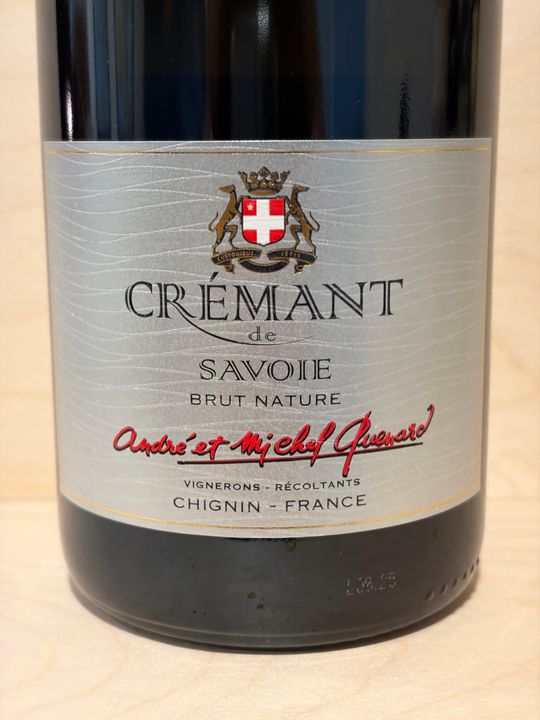
André & Michael Quenard Cremant de Savoie Brut Nature NV: Savoie, France
Grape: Jacquère Sparkling Jacquère- you never knew you needed it in your life until now! At André et Michel Quenard, four generations of the Quenard family farm the dramatic limestone scree slopes of the village of Chignin, where vineyards rise from 300 to 400 meters with gradients so steep that all vineyard work must be done by hand. Their Brut Nature is crafted from the indigenous Jacquère grape and bottled with no dosage, keeping the wine impressively lean and focused. Tasting Notes: You’re walking through the mountains and feel the warm sun but also brisk mountain breezes, that’s the sensation this wine evokes! Crisp green and yellow fruit with hints of toasted almonds and fresh baked bread are all on the nose, while the palate is almost severe in it’s structure, but in a way that is utterly enjoyable. This wine is arresting! Pair with raclette or oysters, or simply as an aperitif!$52.00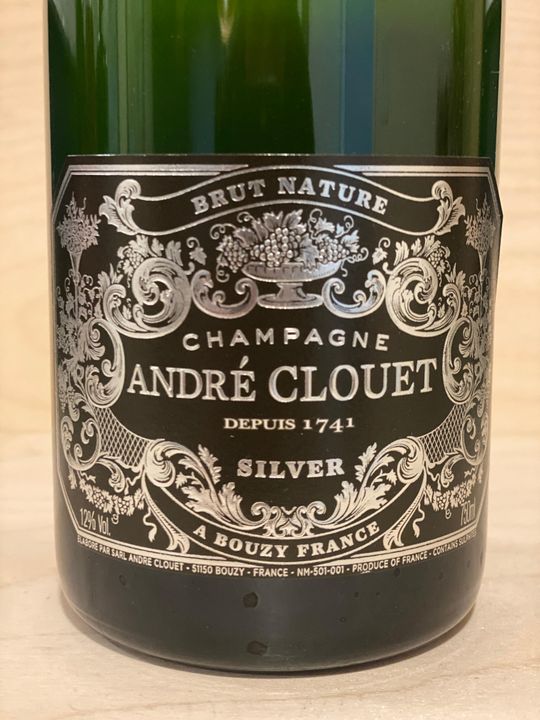
André Clouet "Silver" Brut Nature Grand Cru NV: Champagne, France
Grape: Pinot Noir Region/History Notes: Established in 1741, the André Clouet estate is located in the heart of Bouzy, one of the prestigious Grand Cru villages in the Montagne de Reims sub-region. Pinot Noir is king here, in contrast to the Vallée de la Marne, where Pinot Meunier dominates, and the Côte des Blancs, where Chardonnay takes center stage. Reflecting Bouzy’s terroir, this 100% Pinot Noir is aged mostly in tank, while 10% sees barrel aging to add complexity. After disgorgement, no dosage (i.e., sugar), is added, a style known as Brut Nature or Brut Zero. While dosage is commonly used in Champagne to soften the austere nature of these naturally high-acid wines, this bottling will delight acid lovers! Tasting Notes: A pure, lean Champagne with aromas of bread dough and blanched almonds. On the palate, notes of apple skin and brioche emerge. The bracing acidity will cut right through a rich, creamy cheeses such as Brillat-Savarin!$68.00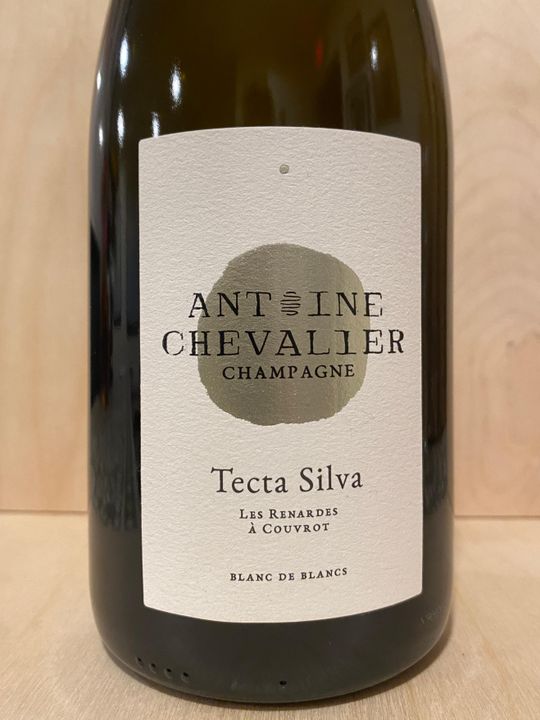
Antoine Chevalier "Tecta Silva" Extra Brut 2019: Champagne
$115.00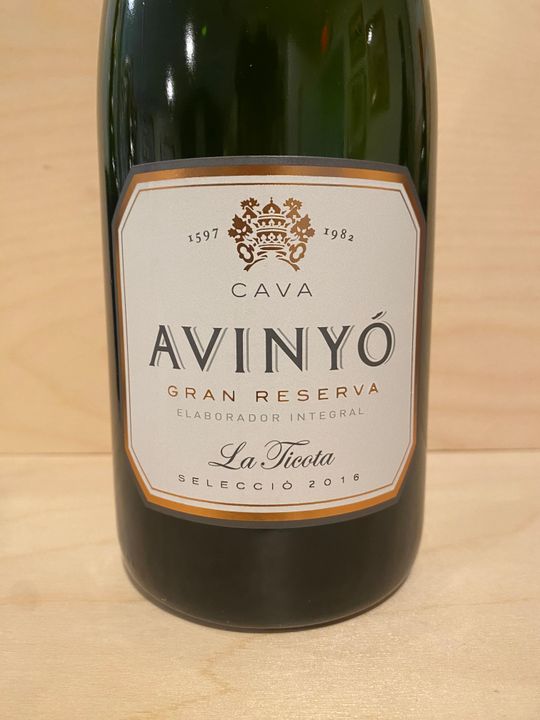
Avinyó "La Ticota" Gran Reserva Brut Nature 2016: Valls de Anoia-Foix, Penedès, Spain
Grape: Xarel-lo Region/History Notes: Avinyó is one of only 18 Cava producers designated an “Elaborador Integral,” meaning every step of production takes place on the estate, a rarity in Cava. All Avinyó Cavas are classified as Guarda Superior, requiring 100% organically farmed grapes from vineyards at least 10 years old and a minimum of 18 months’ bottle aging. “La Ticota” Gran Reserva is 100% Xarel-lo, Cava’s most structured and acidic grape, produced only in exceptional vintages. From Avinyó’s oldest single vineyard, just 5 acres, it is expected to earn Cava de Paraje Calificado, the appellation’s highest tier. Tasting Notes: Aged 60 months on lees, and it shows! Rich aromas of baked apple, burnt caramel, and roasted almond lead to a complex, savory palate. Serve slightly warmer than a typical sparkling wine to let the aromatics shine. Pair with something equally rich, like roasted duck.$60.00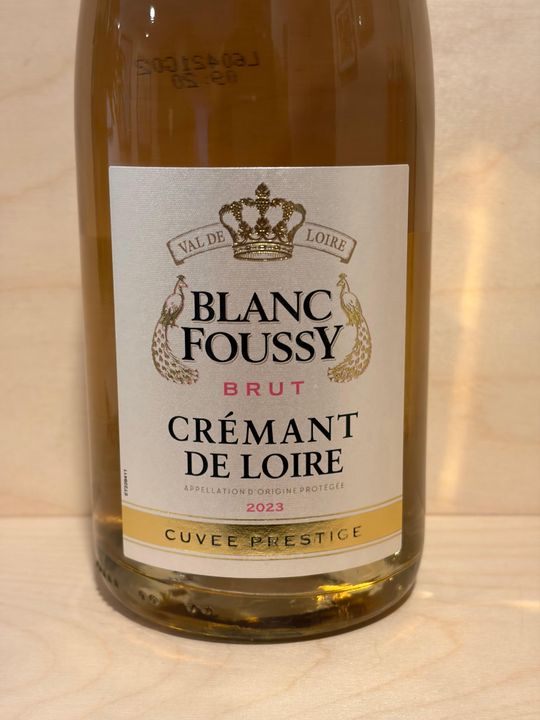
Blanc Foussy Crémant de Loire Brut 2023: Loire Valley, France
Grape: Cabernet Franc Region/History Notes: Blanc Foussy specializes in traditional-method sparkling wine in Rochecorbon, just outside Tours. Its wines mature in the Grandes Caves Saint-Roch, almost 2 miles of underground galleries first carved into the region’s tuffeau limestone in the 12th century. That same chalky stone is part of the geology that defines this stretch of the Loire. This rosé is 100% Cabernet Franc from clay and chalk soils in Anjou and Touraine. Tasting Notes: Copper-tinged in color with big, assertive bubbles and a distinctly peppery nose. Quite a lively expression of Cabernet Franc: white cherry, white cranberry and even a little green strawberry, followed by tarragon, sage, oregano, tri-colored peppercorn and charred bell pepper. Even with those assertive bubbles, there’s a roundness to the texture that softens the intensity of the peppery, herbal qualities. I’d pop this with a BLT, especially with smoky bacon, or take it to brunch with Korean-style chicken.$27.00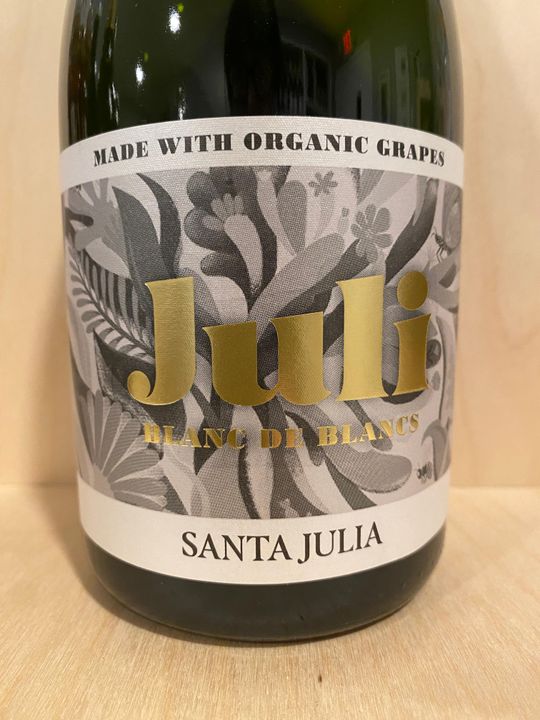
Bod. Santa Julia "Juli" Blanc de Blancs NV: Mendoza, Argentina
Grape: Chardonnay Bodegas Santa Julia strikes again! Everything they make knocks it out of the park, and this Charmat-method sparkling Chardonnay from Argentina is no exception. Tasting Notes: Bubble structure sets the tone! Most wines at this price have big, aggressive bubbles that distract from flavor—but not this one. Julia (her friends call her Juli) knows her base wine is so good, it doesn’t need flashy bubbles. Green apple skin, hints of lemongrass and Asian pear, with a chalky finish that tastes way more expensive than it is. The bubbles are tight and prickly—more delicate and refined than you'd expect. From start to finish, this wine is a total surprise in flavor, quality, and value. Pop and pour any day, for any occasion, with anyone, and pair with just about anything. Just make sure you’ve got a second bottle chilled—you’ll want it!$18.00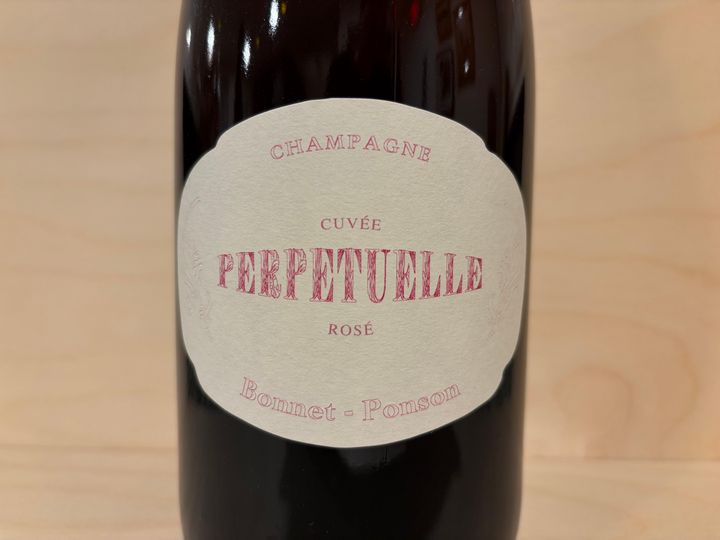
Bonnet-Ponson Cuvée Perpetuelle Rosé Brut Nature NV: Champagne, France
Grapes: Pinot Noir/Chardonnay/Pinot Meunier Region/History Notes: Champagne Bonnet-Ponson is a small, family-run récoltant in Chamery, Montagne de Reims, known for organic farming and minimal-intervention cellar work. The Cuvée Perpétuelle Rosé draws from a perpetual reserve system, layering multiple vintages (solera-style) for depth and continuity rather than vintage expression. Based on Pinot Noir with a touch of still red wine, it balances savory structure with freshness—Champagne crafted with patience and intent. Tasting Notes: Savory and nuanced, with wild strawberry, red currant, and blood orange, plus hints of dried herbs, spice, and red apple cider. A gentle nuttiness adds depth, while fine bubbles and bright acidity lift the palate. Complex and chalky on the finish, this is a table-ready rosé—perfect with Korean barbecue.$89.00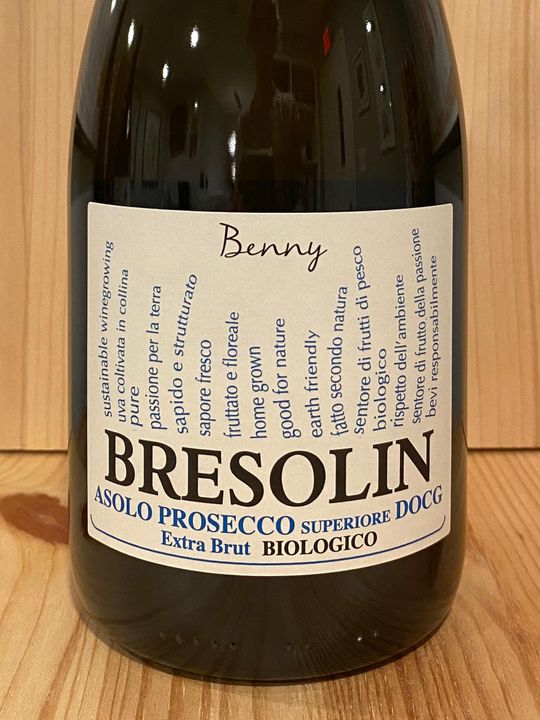
Bresolin '"Benny" Asolo Prosecco Superior Extra Brut NV: Veneto, Italy
Grape: Glera Region/History Notes: When the austerity of Champagne is too much for the occasion, look to Prosecco for a more approachable alternative. These fresh, fruity (and certified organic!) bubbles by Bresolin are made via the Charmat, or “tank,” method by which a sugar-yeast mixture is added to a base wine. The wine is then transferred to a pressure-resistant tank where the release of CO2 creates the bubbles. Bresolin allows their Prosecco to spend 3 months on its lees before filtering, and they do a minimal dosage to keep the wine dry and crisp. Tasting Notes: Unpretentious just as Prosecco should be, but nevertheless a more sophisticated take on the style! Green apple, green pear, and honeydew aromatics dance out of the glass and re-appear on the palate with plenty of charm. Über small bubbles make for an incredibly soft mouthfeel and great drinkability. Pair alongside grilled peaches with prosciutto and burrata!OUT OF STOCK$34.00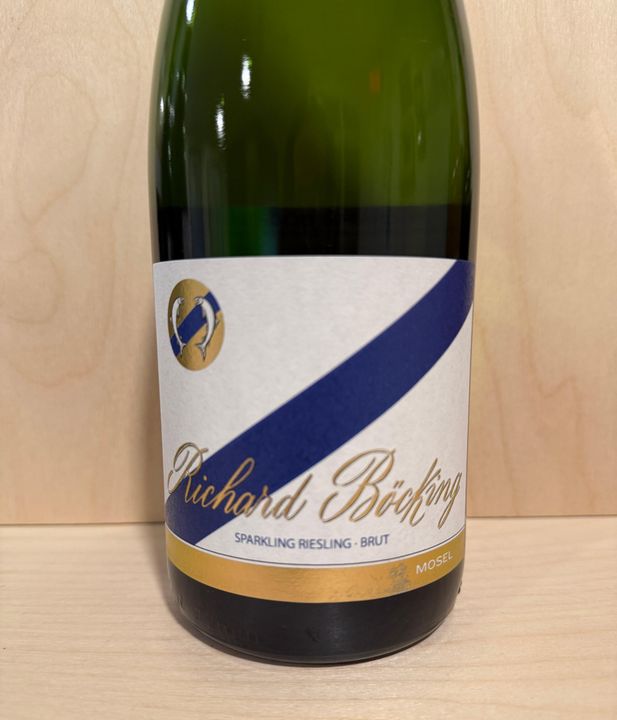
Böcking Sparkling Riesling Brut 2022: Mosel, Germany
Grape: Riesling Region/History Notes: Believe it or not, Germans are the world’s largest consumers of sparkling wine! Known as “Sekt,” German sparkling wine is less strictly regulated than styles from regions like Champagne, resulting in a wide range of quality. Böcking’s sparkling Riesling, however, represents top-quality Sekt. The fruit is sourced entirely from Germany’s Mosel Valley and produced using the traditional method, with secondary fermentation occurring in bottle. Riesling’s naturally high acidity, especially when grown in a cool climate like the Mosel, makes it exceptionally well suited for sparkling wine. Tasting Notes: Lively bubbles introduce aromas and flavors of honeyed apricot, meyer lemon, and honeycrisp apple. Brut in style, there’s enough sweetness to temper Riesling’s high-acidity, while still coming across as dry. Try a high-low pairing with tempura or fritto misto!$56.00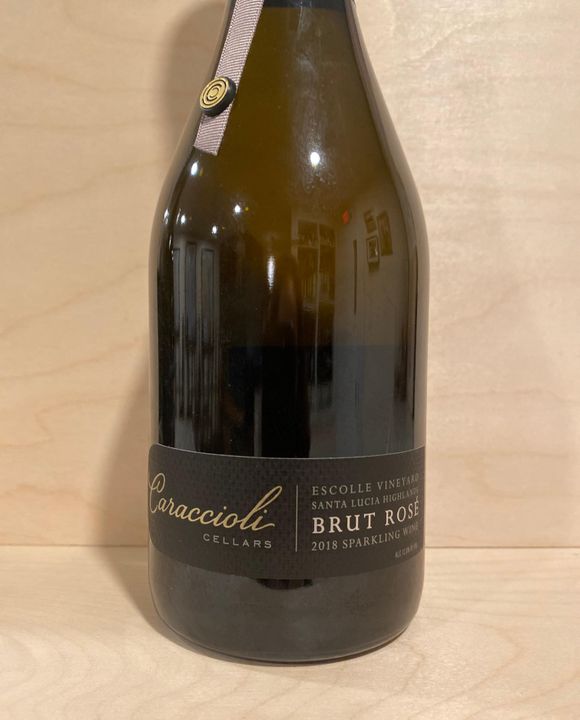
Caraccioli Cellars Brut Rosé Escolle Vineyard 2018: Santa Lucia Highlands, California
$87.00
Caraccioli Escolle Vineyard Brut Rosé 2019: Santa Lucia Highlands, California
Grapes: Chardonnay/Pinot Noir Caraccioli Cellars is a sparkling-focused winery in the Santa Lucia Highlands AVA of Monterey County. Founding winemaker Michel Salgues, formerly of a major Champagne house, brings a minimal-intervention approach shaped by his experience. All fruit comes from the certified sustainable Escolle Vineyard, and the wines age about four years on the lees. To preserve purity, only the first 120 gallons of juice per ton are used (Champagne allows up to 150). The base wine sees some neutral oak before secondary fermentation, adding subtle texture. Tasting Notes: Think strawberry shortcake without the sweetness—tart, underripe strawberry, layered with brioche and biscuit notes from extended lees aging, plus a hint of creaminess. Delicious on its own.$89.00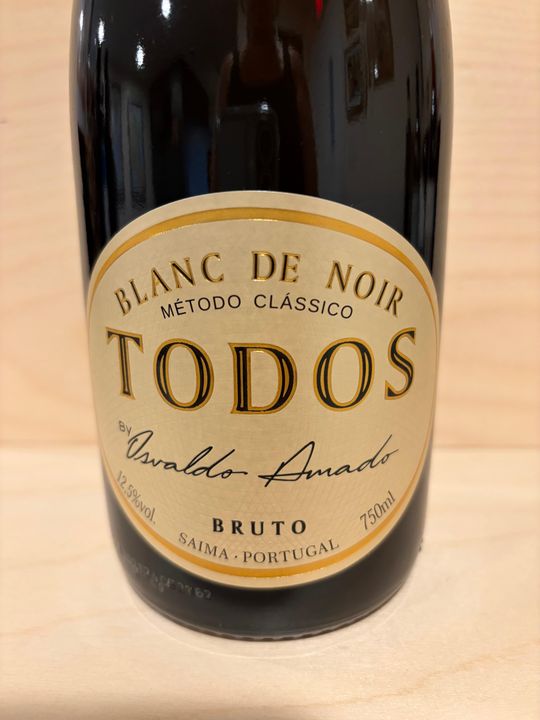
Todos Blanc de Noir Bruto 2020: Bairrada, Portugal
Grapes: Arinto/Bical/Maria Gomes/Cercial Region/History Notes: Bairrada is a smaller DOC in the Beiras region of north-central Portugal, tucked between the Atlantic Ocean and the mountainous areas to the east. It’s best known for producing full-bodied, deeply colored red wines, but the region also offers crisp white wines and exceptional sparkling wines. These particular bubbles are made using the traditional sparkling method and are aged on the lees for 18 months in the cellar. Tasting Notes: Perfectly bready on the nose, with plenty of fresh-cut orchard fruits and lemon. This is an intense sparkler, with boatloads of super-fine bubbles, and the touch of residual sugar keeps it from feeling too sharp. Be sure to pair it with appetizers, from ceviche to cheese and charcuterie, this is the perfect wine to kick things off!$33.00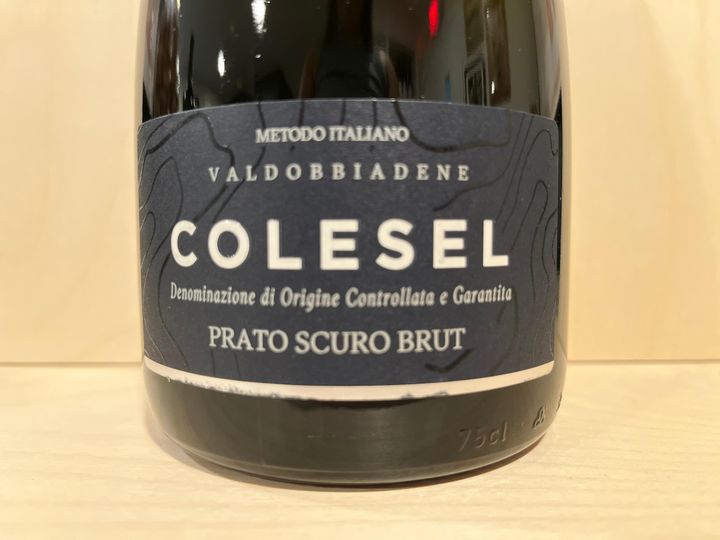
Colesel Valdobbiadene Prosecco Superiore NV: Valdobbiadene, Italy
Grape: Glera Region/History Notes: Italy’s finest Prosecco comes from the hills around Conegliano and Valdobbiadene, a UNESCO World Heritage Site known for its dramatic “hogback” ridges. Growers have long adapted to the steep terrain, planting vineyards on south-facing slopes with clay-limestone soils. Unlike the flat plains of Prosecco DOC, the Conegliano Valdobbiadene Prosecco Superiore DOCG region produces wines with greater acidity, purity, and aromatic freshness. Tasting Notes: Don’t even think about adding orange juice—this Prosecco shines solo. Aromas of green apple, honeydew, and honeysuckle lead into a bright, elegant palate with precise acidity and a fine, persistent mousse.OUT OF STOCK$28.00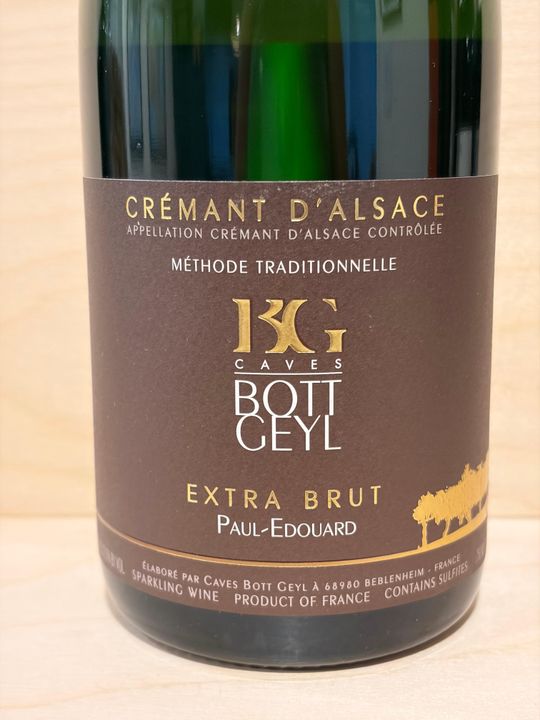
Dom. Bott-Geyl "Paul-Edouard" Crémant d’Alsace Extra Brut NV: Crémant d'Alsace, France
Grapes: Pinot Blanc/Chardonnay/Pinot Noir Region/History Notes: All across France, regions from Alsace to Burgundy to the Loire produce sparkling wines made in what’s called the traditional method, where the initial fermentation produces the alcohol and a secondary fermentation in the bottle produces the bubbles. This is the same method utilized in the Champagne region, and these “Crémant” wines as they’re called are not only regionally expressive, but often more accessible in price point than Champagne. This Crémant by Domaine Bott-Geyl is produced in the Alsace region located along the French-German border and spends 2 years on the lees before disgorgement. Tasting Notes: From lemon peel and honeycomb to apricot and golden raisin, all the aromas and flavors are elegantly integrated. The fine and delicate bubble structure is joined by a slightly waxy texture followed by a chalky and lemon pithy finish. Pair with chicken cordon bleu or oysters Rockefeller!$42.00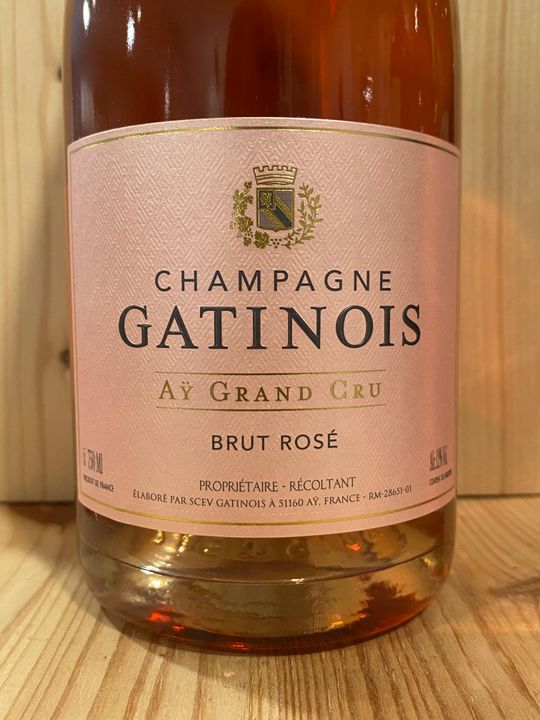
Gatinois Aÿ Grand Cru Brut Rosé NV: Champagne, France
Grapes: Pinot Noir/Chardonnay Region/History Notes: For 12 generations, the Gatinois family has crafted Champagne in the historic village of Aÿ, one of the region's 17 Grand Cru villages. Renowned for producing some of Champagne’s finest Pinot Noir, every Gatinois vineyard is classified as Grand Cru. Unsurprisingly, this Brut Rosé is primarily Pinot Noir, blended with 10% Chardonnay. Most of the Pinot Noir is vinified as a Blanc de Noirs, meaning the juice is pressed off the skins before significant color and tannins are extracted from the skins. A small portion of still Pinot Noir vinified as a red wine is then blended into the cuvée, resulting in this beautiful salmon color! Tasting Notes: Explosive bubbles release aromas and flavors of tart red fruit: strawberry, cranberry, and pomegranate, plus a little guava. Relatively dry for a Brut with only 6g/L residual sugar, this would be lovely with smoked salmon canapés!OUT OF STOCK$85.00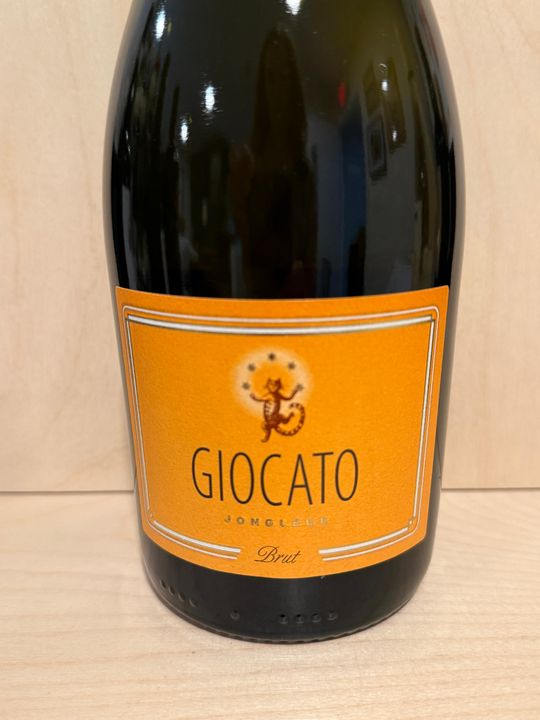
Giocato "Jongleur" Sparkling Brut NV: Primorska, Slovenia
Grape: Rebula (AKA Ribolla Gialla) Region/History Notes: Rebula (AKA Ribolla Gialla) is an ancient white grape variety commonly found along the border of northeastern Italy and Slovenia. Winemaker Aleks Simčič partners with a local cooperative and several organic growers to produce his value-driven Giocato brand in the Goriska Brda region. This sub-zone of Primorska, Slovenia, was part of Italy until World War II and is often referred to as Slovenia’s “Little Tuscany” for its rolling hills dotted with olive groves and vineyards. Made using the Charmat method, just like Prosecco, the goal is to highlight the fresh fruit character of the grape versus the brioche, doughy aromas you find in traditional method sparkling wines. Tasting Notes: Light and refreshing, with delicate aromas and flavors of white peach, yellow apple, tangerine, and white flowers, followed by a subtle touch of honey. Bright and easy-drinking, this would pair beautifully with fresh seafood, especially grilled shrimp!$28.00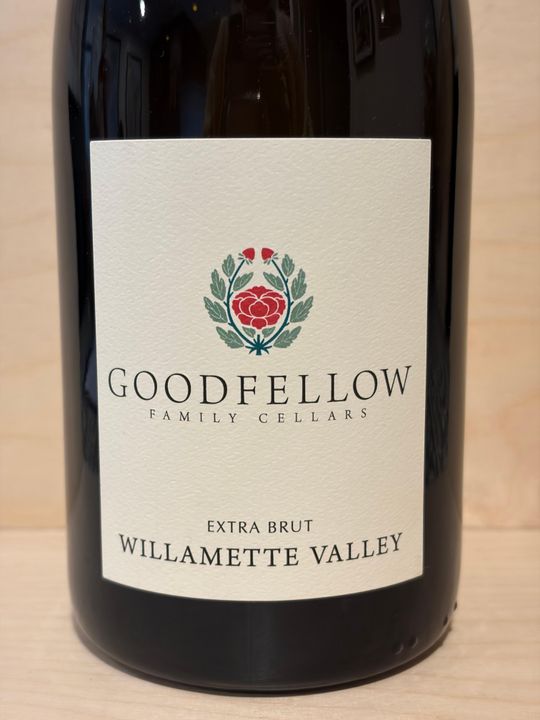
Goodfellow Willamette Valley Extra Brut NV: Willamette Valley, Oregon
Grapes: Chardonnay / Pinot Noir Region/History Notes: Marcus Goodfellow has built a cult following in Oregon for producing some of the Willamette Valley's most thoughtful wines. Crafted in the traditional method and aged extensively (22 months!) on the lees, it captures the cool climate precision of the Willamette Valley. The dosage is kept extremely low at 2.5g/L, allowing the vineyard character and winemaking detail to shine without distraction. Tasting Notes: Tiny, precise bubbles foam across your palate bursting with notes of yellow apple, toasted almonds, fresh baked and buttered bread, and a lemon verbena quality to the finish. Sophisticated and delicate yet still pronounced and focused, this gorgeous bubbles has a finish that lingers delightfully. I can’t wait to serve this beauty alongside grilled halibut with a lemon garlic butter sauce and grilled peaches topped with fresh herbs.$50.00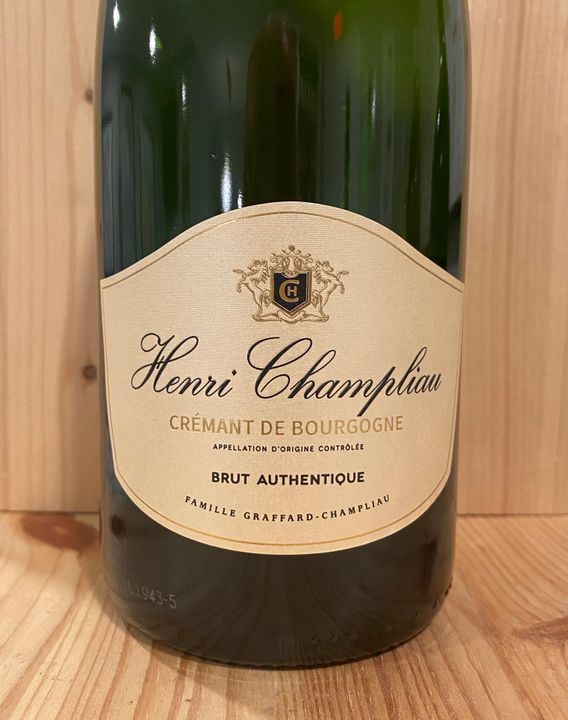
Henri Champliau Crémant de Bourgogne "Brut Authentique" NV: Burgundy, France
Grape(s): Pinot Noir/Chardonnay Region/History Notes: The Crémant de Bourgogne AOC was introduced in 1975 for traditional-method white and rosé sparkling wines, typically made of a combination of Pinot Noir and Chardonnay. Henri Champliau is based in the commune of Mercury in the Côte Chalonnaise and exclusively produces sparkling wine. Their “Brut Authentique” is a blend of 85% Pinot Noir and 15% Chardonnay. It spends a minimum of 18 months on its lees and receives a 5-6 g/l dosage. Tasting Notes: Elegant notes of lemon peel and yellow plum are joined by hints of strawberry, Rainier cherry, and shortbread. The bubble structure is small, delicate, and dissipates quickly, allowing the nuances of fruit and florals to take center stage on the mid-palate with pops of candied lemon. The lengthy finish is characterized by notes of butterscotch and shortbread. Bright, fresh, and just ever-so-slightly chalky, pair this with eggs Benedict and asparagus under plenty of hollandaise!OUT OF STOCK$40.00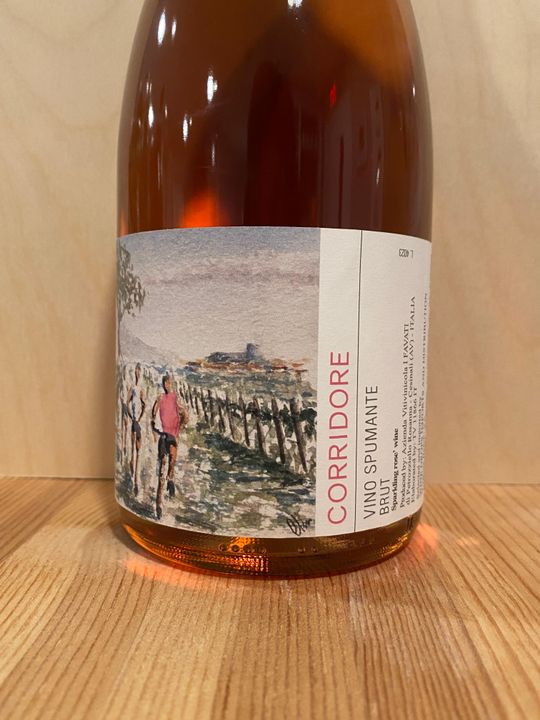
I Favati "Corridore" Brut Rosé NV: Campania, Italy
Grape: Aglianico Region/History Notes: Aglianico is a grape native to Campania, Italy—just outside of Naples. It thrives in the volcanic soils of this region, volcanic ash and basalt from the 79BCE eruption of Mt. Vesuvius that destroyed Pompeii! While I have had rosé from Aglianico before, this is the first time I’ve tasted a sparkling rosé made from this grape! This is a brand new project for the Favati family-owned and operated winery and Vino Culture is the first venue to feature the wine in the United States! Aglianico is known for making bold, powerful, structured reds that can age for decades. This sparkling rosé showcases some of the bold personality of the grape, but in a flamboyantly flirtatious way, such a fun wine! Tasting Notes: Such a juicy wine with notes of strawberries and raspberries, white cherry, and a hint of white pepper—expressive and inviting! Perfect to pair with spicy Thai food, lemon pepper chicken, or jalapeño poppers!$38.00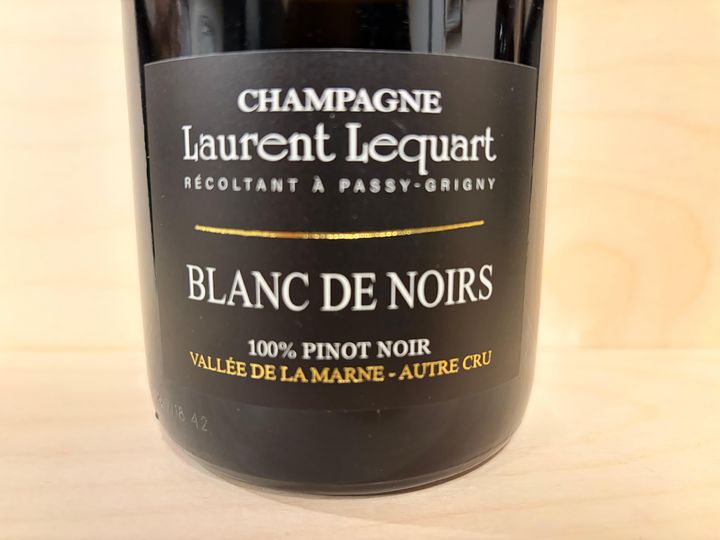
Laurent Lequart Blanc de Noir Brut Nature NV: Passy-Grigny, Champagne, France
Grape: Pinot Noir Champagne Laurent Lequart is a true récoltant grower Champagne, farming and vinifying exclusively from their own vineyards. Based in Passy Grigny in the Vallée de la Marne, the Lequart family focuses on expressing site over house style. This subregion is defined by clay rich soils layered with limestone and a slightly warmer mesoclimate, conditions that favor ripe, expressive Pinot Noir and Meunier. Rather than chasing power or excessive polish, this Blanc de Noirs highlights the natural generosity and texture that the Marne Valley is known for. Rich yet precise, this Champagne opens with ripe apple, baked pear, and subtle red berry tones, followed by brioche, toasted almond, and a gentle savory spice. The clay driven soils give the wine a broad, creamy mid palate, while bright acidity and a chalky mineral finish keep it focused and refreshing. As it opens, hints of orchard fruit skin and savory depth emerge, making this an excellent food friendly Champagne.OUT OF STOCK$83.00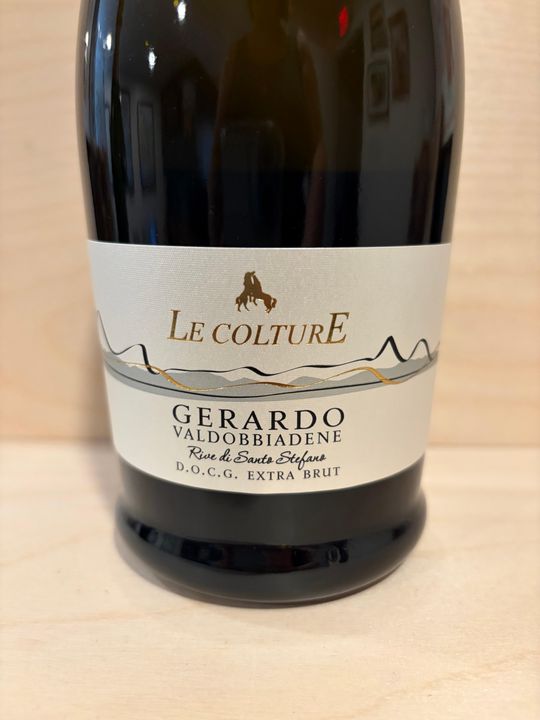
Le Colture "Gerardo" Prosecco Superiore di Valdobbiadene Extra Brut 2023: Conegliano Valdobbiadene, Veneto, Italy
Grape: Glera Region/History Notes: Le Colture winery was founded in 1983 by Cesare Ruggeri, though the Ruggeri family’s roots in the Prosecco hills stretch back generations. This bottling is named in honor of Cesare’s father, Gerardo. Nestled in the foothills of the Italian Alps, the region’s steep, south-east-facing vineyards rise to elevations of nearly 1,650 feet, where clay-limestone soils and cooling mountain influences create ideal growing conditions for Glera. The term “Rive” on the label refers to these steep hillside vineyards in the local dialect, while Santo Stefano is the name of the village where these grapes are grown, coming from 35–40 year old vines. Tasting Notes: Lean and mineral driven with a hint of sweetness, this is not your average Prosecco! Aromas of yellow and white peaches and green melon waft out of the glass, and the fine bubbles lead to notes of Anjou pear and a distinct chalkiness. Try with with some prosciutto wrapped cantelope!OUT OF STOCK$35.00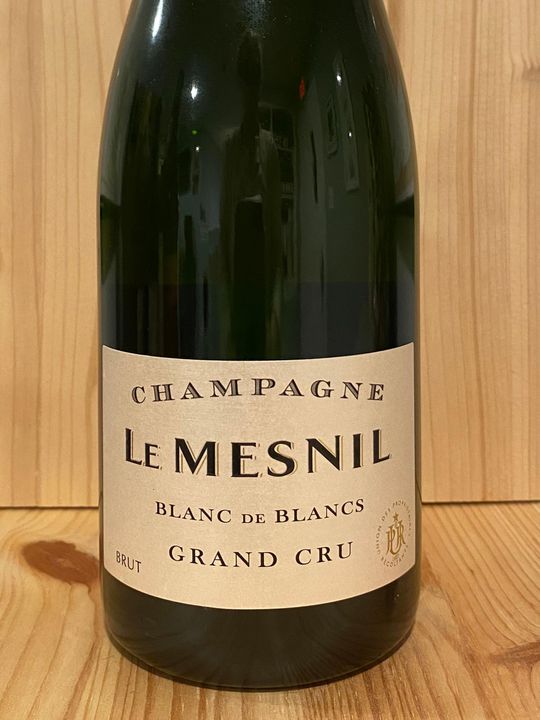
Le Mesnil Blanc de Blancs Grand Cru Brut NV: Champagne, France
Grape: Chardonnay Region/History Notes: Located in the heart of the Côte des Blancs, Le Mesnil-sur-Oger is one of Champagne’s 17 Grand Cru villages. Its chalk-rich soils are associated with the bright acidity, minerality, and saline character found in the region’s best wines. East-facing slopes provide gentle morning sun, allowing the grapes to ripen gradually. This Blanc de Blancs is made from 100% Chardonnay, Champagne’s prized white grape. Tasting Notes: As far as Champagnes go, this is incredibly versatile! Baked apple, lemon citrus, and brioche come together without feeling over the top, while crisp acidity and a chalky finish keep it fresh. Lovely as an aperitif, but don’t stop there! It’s equally at home with oysters or seafood and has enough body to follow you through to a main course like roasted chicken.$80.00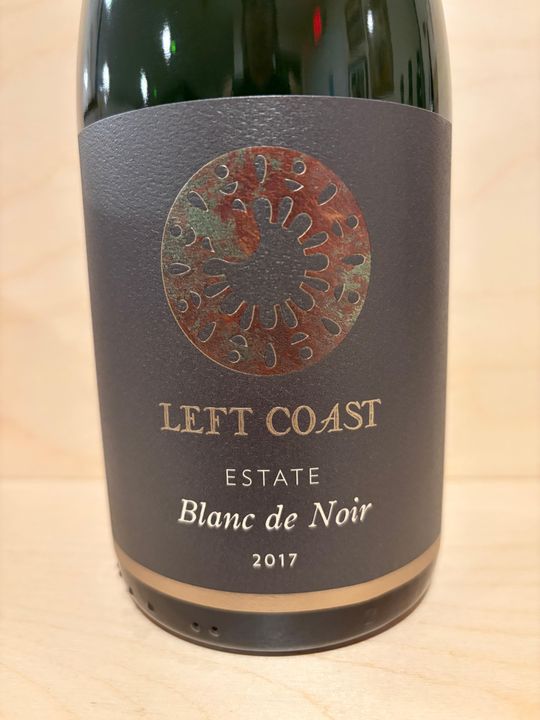
Left Coast Estate Blanc de Noir 2017: Willamette Valley, Oregon
Grape: Pinot Noir Region/History Notes: Left Coast Estate sits in Oregon’s Van Duzer Corridor AVA, where afternoon marine winds cool vineyards and preserve acidity—ideal for sparkling wine. Estate Pinot Noir grown on marine sedimentary and volcanic soils is gently pressed to make this Blanc de Noir. Crafted in the traditional method and aged ~18 months on the lees, the wine showcases Oregon Pinot with Champagne-inspired technique. Left Coast is committed to ecological sustainability, earning the LIVE Certified Award of Excellence. Tasting Notes: Fine, persistent bubbles carry lemon zest, green apple, pear, and white flowers, with subtle brioche and toasted almond from lees aging. Bright and mineral-driven on the palate, citrus and orchard fruit lead to a chalky finish with lively acidity. Elegant yet energetic, with a precise structure that allows aging for 10+ years. Pair with oysters, Dungeness crab, fried chicken, or triple cream brie.$51.00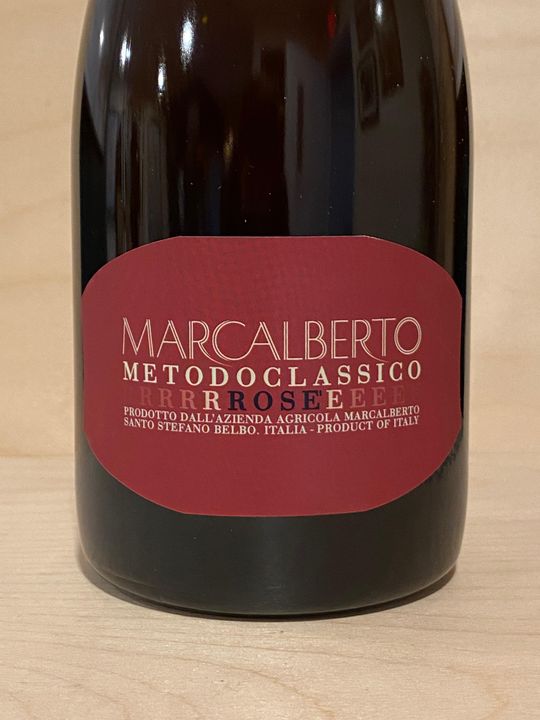
Marcalberto Brut Metodo Classico Rosé NV: Piedmont, Italy
$48.00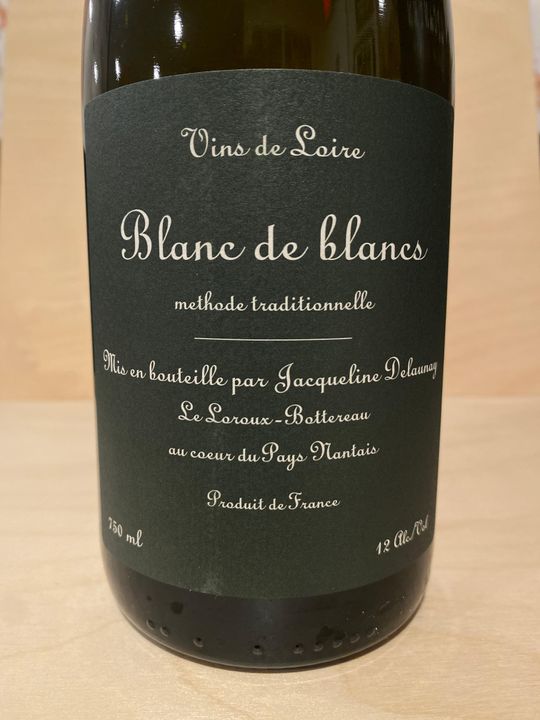
Mary Taylor & Jacqueline Delaunay Blanc de Blanc "Muscadet" NV: Loire Valley, France
Grapes: Chardonnay/Melon de Bourgogne Region/History Notes: Made by Jacqueline Delaunay for the Mary Taylor portfolio, this Blanc de Blancs is crafted using the traditional method where the secondary fermentation takes place in bottle. Sourced from vineyards mostly in eastern Loire, this is basically a “sparkling Muscadet” and showcases the region's ability to produce sparkling wines with both freshness and complexity, often at a fraction of the price of their more famous counterparts. Tasting Notes: Bright citrus, crisp green apple, and fresh pear leap from the glass, followed by hints of white flowers, brioche, and a touch of creamy almond on the finish. The bubbles are energetic and foamy, giving the wine a lively, refreshing character that keeps you reaching for another sip. Dry, clean, but delightfully fruit-forward and versatile, it's equally at home alongside smoked oysters, potato chips, brunch spreads, or a backyard gathering with friends.OUT OF STOCK$35.00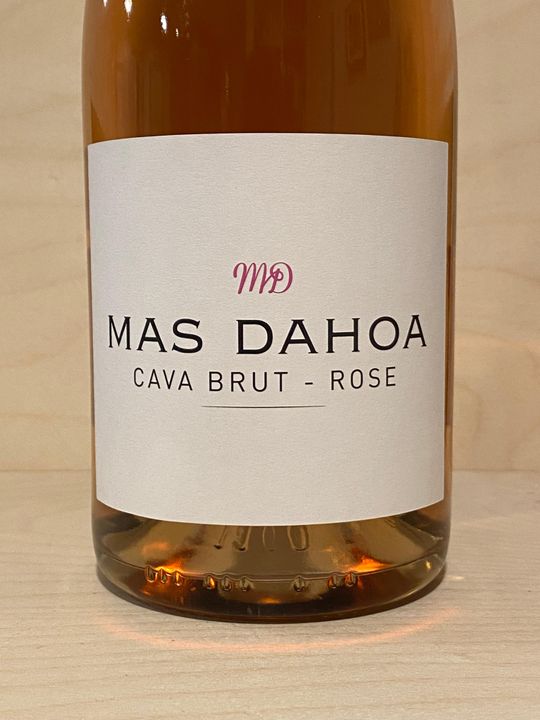
Mas Dahoa Brut Rosé NV: Penedés, Spain
Grapes: Garnacha/Monastrell/Pinot Noir Region/History Notes: Located between two mountain ranges in the Penedès Depression, Mas Dahoa is the family project of Jordi Ventosa and Anna Vallès. The winery is named after their two children, David and Hoa. Despite being in a "depression," the vineyards in the Alt Penedès sub-region sit at an impressive 1,500–2,500 feet in elevation at the base of the distinctive Montserrat mountain range, whose jagged peaks are often compared to the teeth of a saw. This Cava Rosé (known locally as Rosat in Catalan) is one of just three wines (all Cava!) in the Mas Dahoa lineup. While Cava regulations require rosés to contain at least 25% red grape varieties, this one overachieves, coming from 100% red varieties! Tasting Notes: Energetic bubbles give way to flavors and aromas of strawberry, raspberry, and rosewater, with just a hint of creaminess from 12 months of lees-aging. Delightful for all the fried tapas and salty cheeses$23.00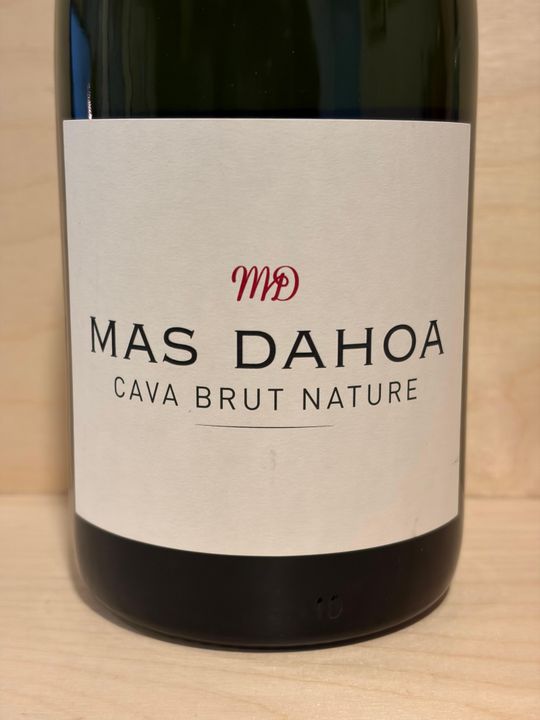
Mas Dahoa Cava Brut Nature NV: Penedes, Spain
Grapes: Macabeo/Xarel-lo/Parellada/Chardonnay Region/History Notes: Produced in Penedès, just outside Barcelona, Mas Dahoa showcases why Cava remains one of the world's best sparkling wine values. Made using the traditional method—the same process used in Champagne—secondary fermentation occurs in bottle, followed by aging on the lees for added complexity. Crafted from the classic Cava grapes Macabeo, Xarel·lo, and Parellada, with a touch of Chardonnay, this wine spends one year on the lees before being bottled with no dosage. Classified as Brut Nature, it is the driest style of sparkling wine. Tasting Notes: Bone-dry yet packed with flavor, offering notes of lemon zest, green apple, juicy pear, and ripe melon. Fine bubbles and a crisp mineral finish make this an exceptional value and a versatile pairing for everything from seafood to tapas—or simply celebrating any occasion.OUT OF STOCK$23.00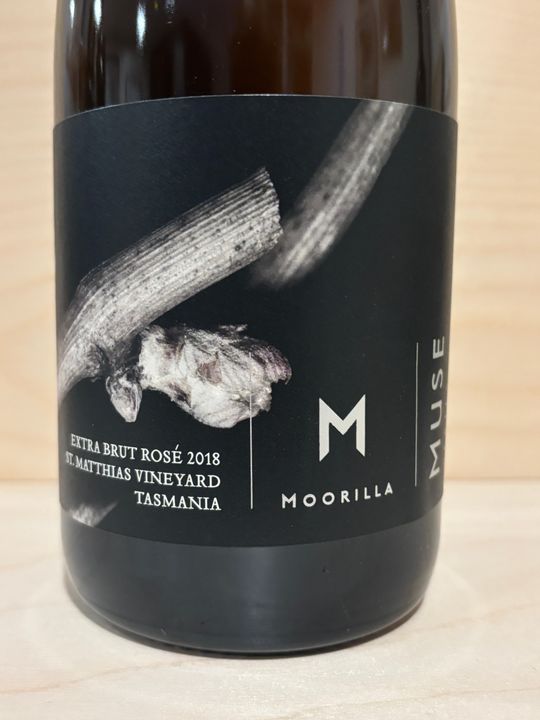
Moorilla Muse Extra Brut Rosé 2018: St. Matthias Vineyard, Tasmania
Grapes: Chardonnay/Pinot Noir Region/History Notes: From one of the coolest and most exciting sparkling wine regions in the Southern Hemisphere, if not the world, this sparkling wine is all about precision and structure. Tasmania’s maritime climate and long, slow growing season make it ideal for high acid, finely structured sparkling wines, often drawing comparisons to Champagne. This cuvée is a classic blend of Chardonnay and Pinot Noir, crafted in the traditional method with 52 months on the lees and only 4g of sugar to keep the wine linear and focused. The 2018 vintage provided excellent ripening conditions resulting in a wine that balances ripeness with razor sharp acidity. Tasting Notes: This crisp rosé opens with wild strawberry, cranberry, and blood orange, layered with rose petal and an almond tinged brioche note that adds lovely complexity. The mousse is fine and persistent, with a delicate savory finish that showcases its maturity. Pair with smoked salmon or moules-frites.$60.00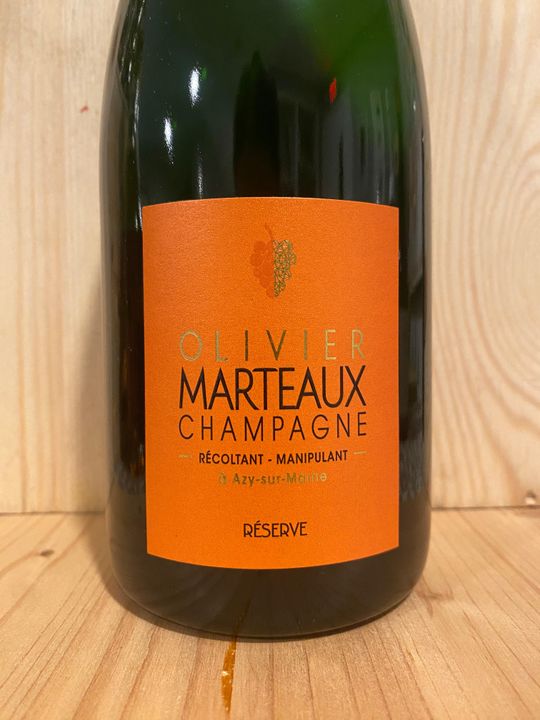
Olivier Marteaux Brut Réserve NV: Champagne, France
Grapes: Meunier/Chardonnay/Pinot Noir Region Notes: The history of the Marteaux estate begins in 1950 with Olivier’s grandfather, Marcel, who worked as a grape grower and nurseryman. Olivier took over in 1998 and only produced his first Champagne in 2009. The estate’s Brut Réserve wine represents a mosaic of their 40 plots in the Marne Valley and is comprised mostly of Meunier and spends about five years on its lees before disgorgement. Tasting Notes: Honey crisp apples and caramelized pie crust, allspice and mandarin oranges—I have always loved the depth and complexity that the Champagnes of Olivier Marteaux offer. On the palate, the bubbles are abundant and persistent, but not aggressive in character. The richness of the fruit is magical, leading into a finish that goes on for minutes and makes my mind race with food pairing ideas. Baked oysters drenched in an herb butter, smoked salmon dip, Nashville hot chicken … I could go on!$65.00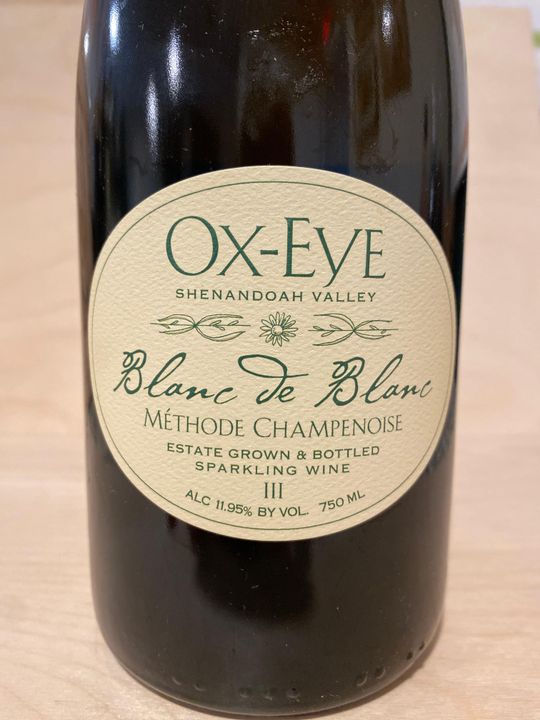
Ox-Eye Blanc de Blanc Extra Brut NV: Shenandoah Valley, Virginia
Grape: Chardonnay Region/History Notes: Husband and wife John and Susan Kiers began planting grape vines in 1996 and while they sold their grapes to other producers for over a decade, they built a winery in 2010 to begin bottling their own wines. Joined by their daughter Harriet, the Kiers family is making some of my favorite Virginia wines! Located just outside of Staunton, these slopes are situated around 1,800 feet elevation. The high diurnal temperature variation coupled with limestone soil keeps the vines cooler, preserving acidity in the grapes. This Blanc de Blancs is made in the traditional method where the secondary fermentation occurs in individual bottles, just like they do in Champagne! Tasting Notes: Gorgeous sparkling wine that makes me proud of my home state! Small bubbles that are persistent and foamy with loads of apple and pear notes and a finish driven by lemon and lime, this wine is refreshing and quaffable. A perfect pairing with fried chicken all summer long$48.00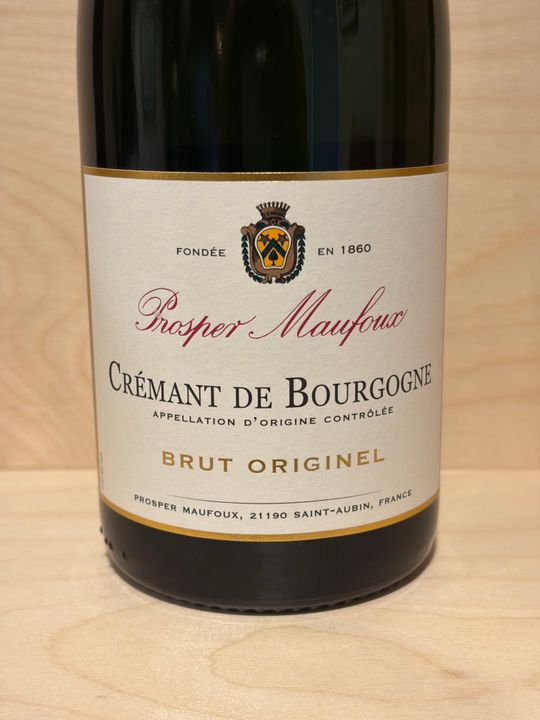
Prosper Maufoux Crémant de Bourgogne Brut NV: Burgundy, France
Grapes: Chardonnay/Pinot Noir/Aligoté/Gamay Region/History Notes: Burgundy is one of eight regions in France with a designated “Crémant” appellation. These sparkling wines are made using the traditional method (just like Champagne!), feature the region’s typical grape varieties, and must be aged on the lees for a minimum of nine months. Prosper Maufoux’s Crémant de Bourgogne, however, is aged for a minimum of 12 months. Crémant de Bourgogne is the third-largest Crémant-producing region in France. It is typically made with Chardonnay and Pinot Noir, but Prosper Maufoux also incorporates two other local varieties: Aligoté and Gamay! Tasting Notes: On the nose I get white flowers, Golden Delicious apple, white peach, lemon curd, and a just a bit of the brioche-y goodness I love about traditional-method sparkling wine. This Brut style provides just enough sweetness to counter balance the naturally high acidity of grapes grown in a cooler climate like Burgundy, making it less austere while$39.00
Quinta Cabriz "C by Cabriz" Espumante Bruto Branco NV: Portugal
Best “bang for your buck”bubbles. Ever. Region/History Notes: Quinta de Cabriz is one of the Dão’s most recognized estates and holds about 94 acres of vineyards between the region’s two main rivers, the Dão and the Mondego. We have loved their sparkling rosé for some time and are just as thrilled to feature this wine: a blend of three indigenous grapes (Portugal has over 250!), Arinto, Bical, and Maria Gomes. The Cabriz wines are always delicious and way over-deliver for the price. This bottling was made according to the Traditional Method with 13 months of aging on the lees. Tasting Notes: Notes of apricot and melon burst across the palate with hints of scorched orange peels and ripe peaches, just delightful! The bubble structure is soft and foamy, making it a perfect aperitif wine, but I’d also love this with crab rangoon dipped in sweet and sour sauce.$18.00
Raventos I Blanc Blanc de Blanc Extra Brut 2024: Conca del Riu Anoia, Spain
Grapes: Xarel-lo/Macabeu/Parellada/Malvasia de Sitges Region/History Notes: The Cava industry as we know it today wouldn't exist without the Raventós family. Their estate has remained in the family for 21 generations since its founding in 1497, making it (likely) the longest continuously operating family vineyard in Europe. They're credited with producing Spain's first traditional method sparkling wine and establishing the classic Cava blend of Macabeu, Xarel·lo, and Parellada. This wine also includes a small amount of Malvasia de Sitges, a nearly extinct variety the family recovered on their estate. In 2012, Raventós i Blanc left the Cava DO to establish their own regional designation, Conca del Riu Anoia, to better showcase the estate's unique terroir. Tasting Notes: Fresh and vibrant, with aromas of white flowers, straw, and crisp orchard fruit. The palate bursts with tart green apple and lime, and a mineral-driven finish. Perfect as an aperitif or for a sushi night pairing!$48.00
Raventos i Blanc Conca del Riu Anoia "de Nit" Brut Rosé 2024: Barcelona, Spain
Grape: Xarello/Macabeu/Parellada/Monastrell Region/History Notes: Raventós i Blanc has been making wine since the 1400s and is a benchmark for incredible bubbles from Spain! They are 100% organic and biodynamic producers who only work with indigenous Spanish grapes. All their sparkling wines are made from single vintages, expressing how each year does, and should, make different wines! They only work with estate fruit too, so their wines are smaller production and phenomenal! This newer appellation, Conca del Riu Anoi, was created (spearheaded by this team) to showcase high-quality, impressive, age-worthy sparkling wines that rival the best of Champagne. Tasting Notes: Delicate notes of strawberry, almond paste, and fresh herbs, this wine is subtle but not simple with fine, tight bubbles that wake you up and a finish that lasts forever! Pair with fried oysters, sushi, and even specialty ramen soups. Just go with something a little on the salty side!$46.00
Raventós i Blanc Rosé "de Nit" 2023: Conca del Riu Anoia, Spain 1.5L Bottle
Grapes: Xarel-lo/Macabeu/Parellada/Monastrell Region/History Notes: Raventós i Blanc has been making wine since the 1400s and is a benchmark for incredible bubbles from Spain! They are 100% organic and biodynamic producers who only work with indigenous Spanish grapes and who focus on making the purest and most authentic wines possible. All their sparkling wines are made from single vintages, expressing how each year does, and should, make different wines! This newer appellation, Conca del Riu Anoi, was created (spearheaded by this team) to showcase high-quality, impressive, age-worthy sparkling wine. Tasting Notes: Delicate notes of strawberry, almond paste, and fresh herbs, this wine is subtle but not simple with fine, tight bubbles that wake you up and a finish that lasts forever! Pair with fried oysters, sushi, and even specialty ramen soups. Just go with something a little on the salty side—heaven!OUT OF STOCK$89.00
Rock Ferry Brut Pinot Blanc 2021: Marlborough, New Zealand
Grape: Pinot Blanc Region/History Notes: Marlborough may have built its reputation on Sauvignon Blanc, but its long sunny days and cool nights can produce beautifully expressive sparkling wines too. Rock Ferry takes it one step further by using Pinot Blanc from its organically farmed Orchard Vineyard and giving it the full traditional method treatment, creating a bubbly with plenty of fruit but also wonderful texture and complexity. Tasting Notes: Asian pear, yellow peach and bright green apple lead the way, followed by a subtle herbal component of mint, sweet sage and even a hint of tarragon. Fine bubbles carry into a rounded palate where toasted almonds, peach blossom, freshly churned butter and lemon curd start to emerge. This is a complementary conversation partner at the dinner table, willing to match what you’re serving without overpowering anything. But my pick? Fried chicken tossed in hot honey and fresh herbs.$50.00
Simpsons Chalklands Classic Cuvée NV: Kent, England
Grapes: Pinot Noir/Pinot Meunier/Chardonnay Region/History Notes: English sparkling wine may be newer to the scene, but it’s quickly proving that England can hang with the best, with quality that can rival Champagne! Simpsons Wine Estate was established in 2014 on the chalky slopes of the North Downs of Kent, southern England. The Chalklands Cuvée is their flagship wine, made from a classic blend of 45% Pinot Noir, 35% Pinot Meunier, and 20% Chardonnay, with 20% reserve wine held back from previous vintages. Blending in reserve wine helps maintain a consistent house style from year to year. The wine then spends 15–18 months aging on the lees, building extra depth, texture, and complexity. Tasting Notes: Pale gold in the glass with bright, refreshing acidity and a distinct chalky minerality. Think lemon Smarties, Granny Smith apple, crisp, slightly underripe peach, and a touch of honey, all with a clean, lively finish. Pair with creamy soft cheeses!$60.00
Simpsons White Cliffs Blanc de Blancs 2019: Kent, England
Grape: Chardonnay Region/History Notes: England has quickly gained a reputation for world-class sparkling wine. This is no surprise, given that the same chalk ridge running through Champagne and Burgundy continues under the English Channel into Kent, where Simpsons’ Estate is located. This 100% estate-grown Chardonnay is made from two different clones specifically selected for sparkling wine production. Each clone was fermented separately, even using different yeast strains(!), then the base wine underwent malolactic fermentation and three months of aging in a combination of tank and oak barrels (20%) before being blended for the second fermentation. All of that, plus 36 months of lees aging in the bottle, gives this wine serious complexity! Tasting Notes: Smoky and flinty on the nose, with layers of toasted nuts and pithy lemon emerging on the palate along with a tingly tactile sensation that immediately makes me think fresh oysters!$87.00
Soter Vineyards "Planet Oregon" Rosé Bubbles 2025: Willamette Valley, Oregon
Grape: Pinot Noir Region/History: After having built up their respective wine careers in California, Michelle and Tony Soter made the move to Oregon’s Willamette Valley and founded Soter Wines in 1997. Michelle’s environmental convictions encouraged the couple to take a more holistic approach to viticulture, and in 2016 they succeeded in converting their 240-acre vineyard into a Demeter-certified biodynamic farm. The couple started Planet Oregon in 2009. A member of “1% for the Planet,” the label donates 1% of all sales to the Oregon Environmental Council. The label consists of one dry, still Pinot Noir and this sparkling Pinot Noir, both sourced from certified organic vineyards across the Willamette. Tasting Notes: Aromas and flavors of candied strawberries and cherries are layered with hibiscus, sage, and a little spice. At once fresh and creamy with a soft mousse, drink this alongside crispy fried tofu with a peanut sauce!$38.00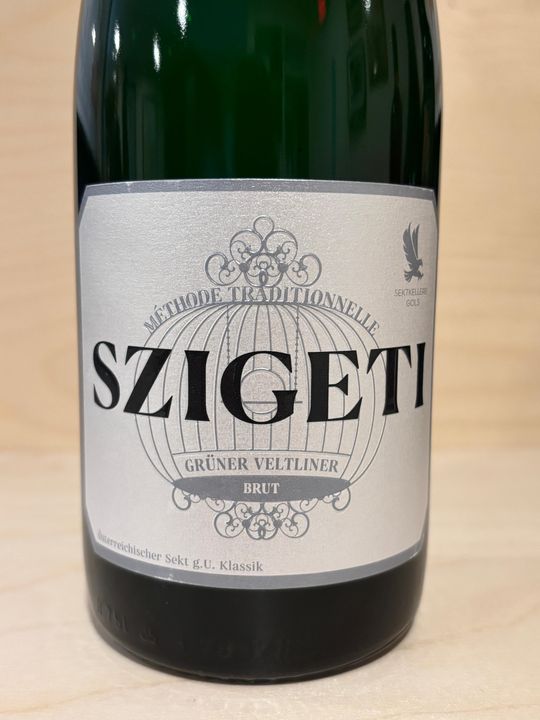
Szigeti Grüner Veltliner Brut NV: Burgenland, Austria
Grape: Grüner Veltliner Region/History Notes: Szigeti (pronounced Zig-it-ee) was founded in 1991 by brothers Norbert and Peter Szigeti when they took over the family business. They do not own any vineyards, so they operate as négociants, buying fruit from growers and even working with some specifically to source fruit for sparkling wine production. All of the Grüner Veltliner is hand harvested before being fermented in stainless steel tanks with Champagne yeasts, then undergoing secondary fermentation in bottle and spending 12 months sur lie. Tasting Notes: Fresh green apple and zippy citrus are paired with classic Grüner Veltliner spice. Lively, bubbly, and with just enough residual sugar to give this brut beauty a touch of weight and fresh fruit sweetness. Pair with fresh seafood or a hearty chicken schnitzel sandwich, but lettuce, tomato, and onion are a must!$32.00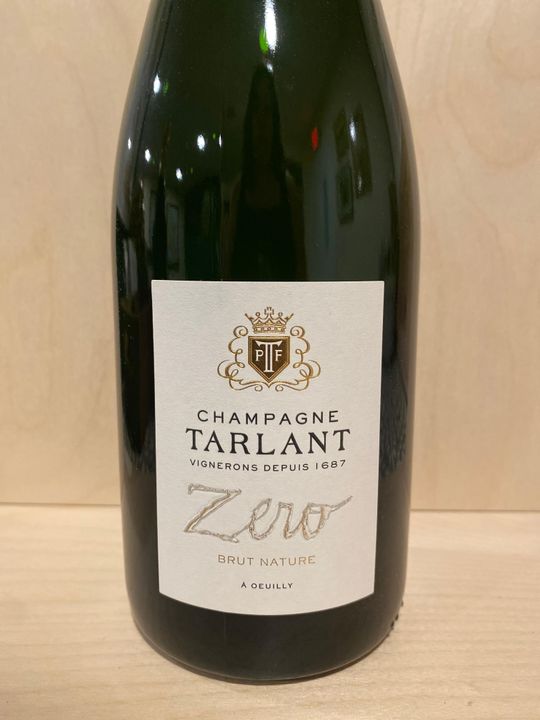
Tarlant Brut Zero NV: Champagne France (375ml)
Grapes: Chardonnay/Pinot Noir/Meunier + 4%Petit Meslier/Arbanne/Pinot Blanc Region/History: Champagne Tarlant is a certified organic Grower Champagne estate founded in 1687, now led by 12th-generation siblings Benoît and Mélanie. They farm 57 parcels across four Marne Valley villages, vinifying each separately. All wines ferment in French oak, block malolactic conversion to preserve acidity, age on lees at least five years, and are bottled zero dosage. “Zero,” the flagship cuvée, blends equal parts of the three main Champagne grapes plus 4% cépages oubliés, the region’s “forgotten” varieties. Tasting Notes: Aromas of lemon chiffon and crisp green apple lead into a razor-sharp palate driven by persistent bubbles and electric acidity. Mouthwatering and precise, perfect with oysters or kettle chips and crème fraîche.$62.00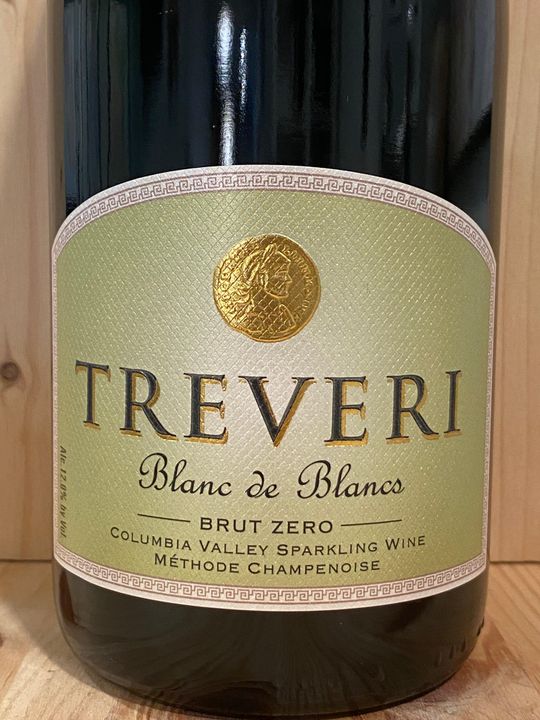
Treveri Cellars Blanc de Blancs Brut Zero NV: Columbia Valley, Washington
Grape: Chardonnay Region/History Notes: When sparkling wines are made, there is often a “dosage” added after the second fermentation (what gives it bubbles). The dosage is sugar added to soften the sometimes harsh acidity of the wine. “Brut” means dry, but can actually have up to 12g of sugar per liter. “Extra Dry” is confusingly sweeter than Brut, allowing for up to 17g. But “Brut Nature or Brut Zero” do not allow for ANY sugar to be added, making it one of the lowest calorie wine out there and it’s delicious! Tasting Notes: Crisp and refreshing with tight bubbles and an expressive nose, Treveri always makes delicious sparkling wines. Use as an aperitif wine to get your palate revved up, or drink with sushi/fried chicken, kettle cooked potato chips- or anything salty!$20.00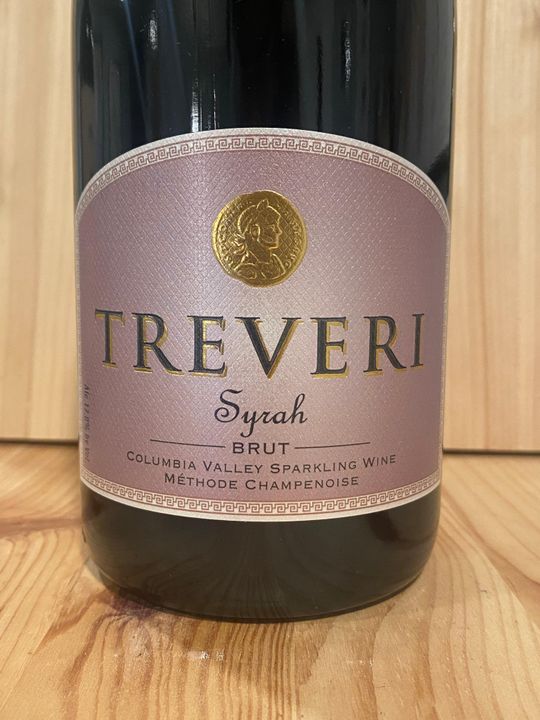
Treveri Syrah Brut: Columbia Valley, Washington
Grape: Syrah Region/History Notes: Washington State is not known for producing one grape or a couple of specific styles. Instead, they are known for their incredibly broad focus! While some wish they would just make up their minds already, I love the diversity found here. Treveri cellars only makes sparkling wines (the only exclusive sparkling winery in Washington) and every single wine they produce is spectacular! Tasting Notes: Such a unique and totally unexpected style of wine! It’s unabashedly Syrah with its more feminine notes of red plum, blackberry, black cherry, and violet being matched with equal intensity by black pepper, tobacco, and some intensely meaty qualities—and then on top of all that it’s fully red and sparkling! While there is a dosage to the bottle to make it a “Brut” style, lending some candied fruit notes to the finish, it still drinks quite dry and would make a great pairing with smoked brisket or a pastrami Reuben.$27.00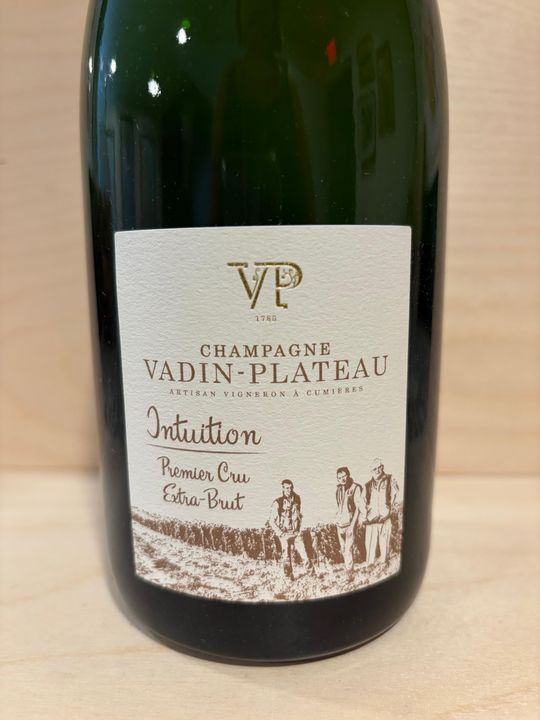
Vadin-Plateau "Intuition" Premier Cru Extra Brut NV: Champagne, France
Grapes: Chardonnay/Pinot Noir/Pinot Meunier Region/History Notes: Founded in 1785, Vadin-Plateau is a small grower-producer based in the Premier Cru village of Cumières in the Vallée de la Marne. Today, 9th-generation vigneron Yann Vadin farms 17 acres of vineyards across five nearby villages. Yann selected grapes from his favorite site, then combined them with grapes from the favorite sites of his father and grandfather to develop the “Intuition” cuvée. The result is a blend of Champagne’s three primary grapes: 40% Chardonnay, 30% Pinot Noir, and 30% Pinot Meunier, all from certified organic Premier Cru vineyards. Tasting Notes: Just a small 2g/L dosage (AKA added sugar) balances out the razor-sharp acidity of these cool climate grapes. Lean and mineral-driven with aromas and flavors of tart Granny Smith apple, lemon curd, jasmine, and brioche. This is a versatile wine— try it with an assortment of soft cheeses and salty snacks!$77.00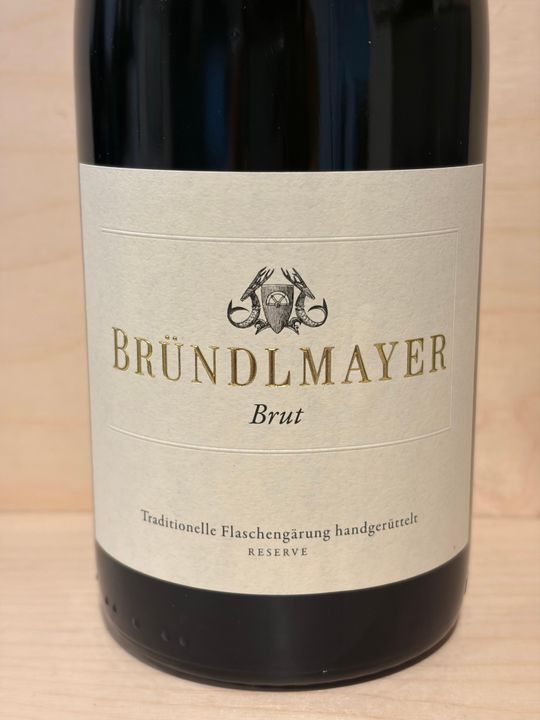
Weingut Bründlmayer Kamptal Sekt Brut NV: Austria
Grapes: Pinot Noir/Chardonnay/Pinot Gris/Pinot Blanc/Grüner Veltliner Region/History Notes: “Sekt” is the generic term for sparkling wine in Austria and Germany. Quality levels vary, but this Bründlmayer Brut which has been produced since 1989, is the good stuff! A blend of Pinot Noir, Chardonnay, Pinot Gris, Pinot Blanc, and, of course, Austria’s beloved Grüner Veltliner, this wine is made in the traditional method, as indicated by the term “Flaschengärung” on the label. Another term you'll see on the front label, “Handgerüttelt,” means the bottles are hand-riddled to move the yeast sediment into the neck before disgorgement, a labor-intensive step that is often mechanized. In accordance with Reserve Sekt laws, the wine is made from hand-harvested fruit and aged on its lees for the minimum of 18 months. Tasting Notes: All I can say is WOW! Toasty almonds, pears, and bread dough all with a creamy texture resulting from the malolactic fermentation. Savor with good company.$72.00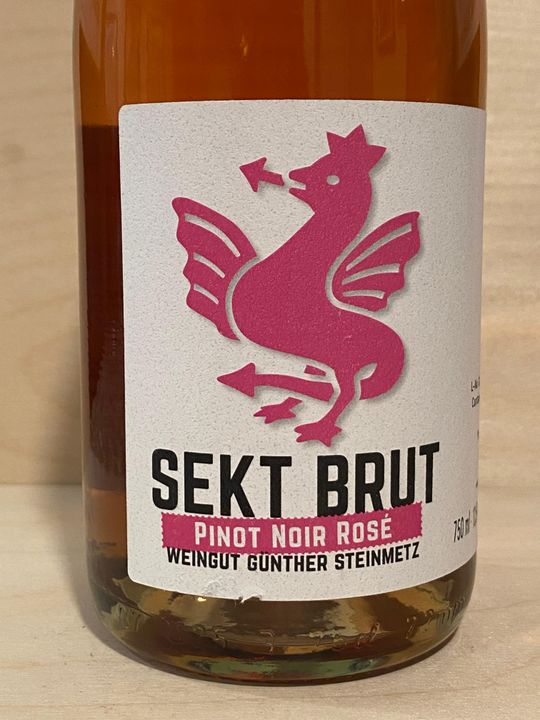
Weingut Günther Steinmetz Sekt Brut Pinot Noir Rosé 2023: Mosel, Germany
Grape: Pinot Noir Region/History Notes: While Riesling dominates the region, the Steinmetz family works with a range of varieties, including Pinot Noir, known locally as Spätburgunder. The steep, slate-rich vineyards and cool climate provide ideal conditions for Pinot Noir, producing wines with bright acidity and delicate red-fruit character. This Sekt showcases the grape in sparkling form, specifically one made in the traditional-method (Flaschengärung in German) of sparkling wine production, where the second fermentation that gives us bubbles happens in the bottle! Tasting Notes: Aromas of wild strawberry, raspberry, and red cherry mingle with a slightly savory cheese-rind quality. Fine bubbles and bright acidity keep the palate lively, while the Pinot Noir gives the wine a little more body and red-fruit character than your typical sparkling rosé. Pair with crispy pork schnitzel and a bright cabbage slaw, or enjoy it as an aperitif.$49.00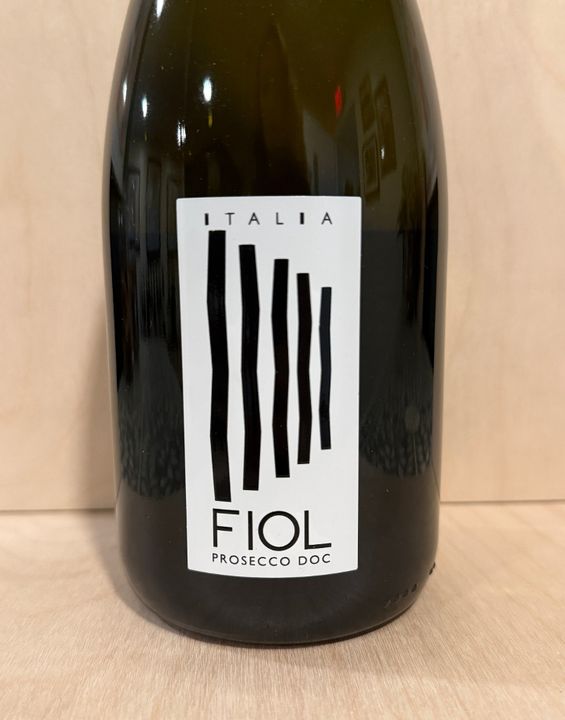
Fiol Extra Dry Prosecco NV: Veneto, Italy
$30.00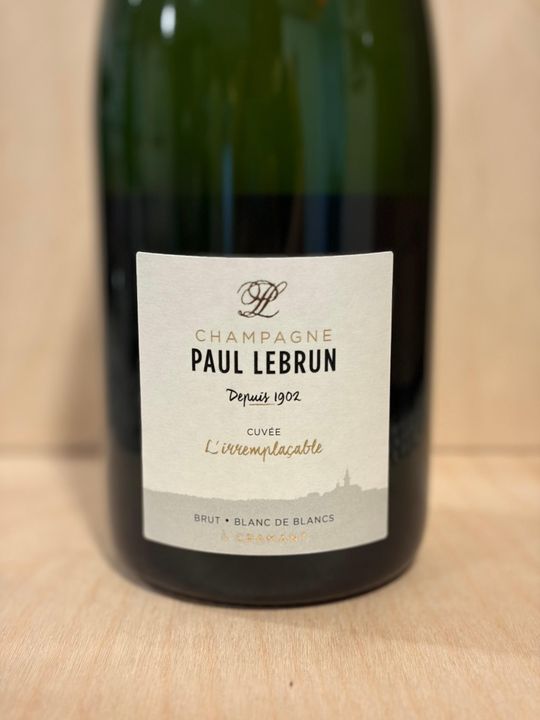
Champagne Paul Lebrun L'Irremplacable Brut Blanc de Blanc NV: Champagne, France
$60.00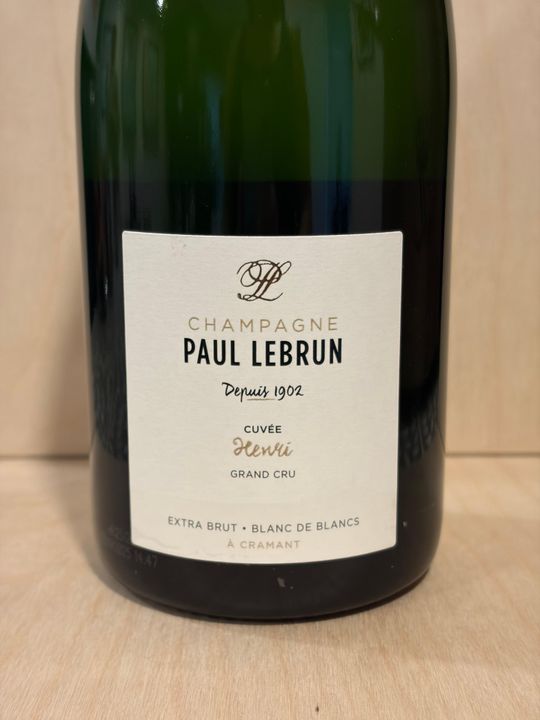
Paul Lebrun Henrí Extra Brut Blanc de Blanc NV: Champagne, France
$71.00
Rosé
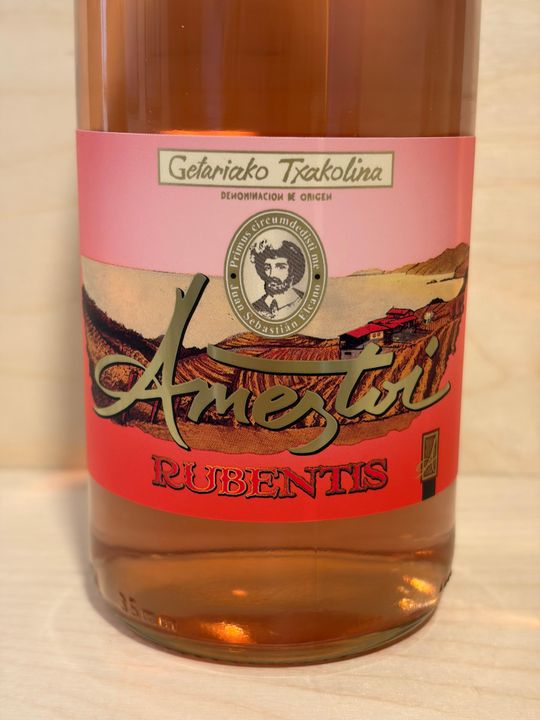
Ameztoi Rubentis Rosé 2025: Getariako Txakolina, Basque Country, Spain
Grapes: Hondarrabi Zuri/Hondarrabi Beltza Region/History Notes: The northern coast of Spain is Basque Country, with markedly different wines, grapes, culture, language, and food compared to the rest of Spain. There are 3 primary regions here with Txakolina being the encompassing region. Getariako, just 18 miles from the border with France, is the most eastern of the three regions. Hondarrabi is the local region name—zuri means “white” and beltza means “red,” so Hondarrabi Zuri and Hondarrabi Beltza are the classic red and white grapes of the region. It’s traditional to ferment the wines in a closed tank to preserve the natural carbonation, so you’ll often find a slight spritz in wines from the area. Tasting notes: Low in alcohol with bright, zingy acidity and the classic marker of white pepper/poblano pepper—this wine is so delicious and way too easy to drink! Pair this delightfully zesty rosé with chips, guacamole, and queso on the beach!$35.00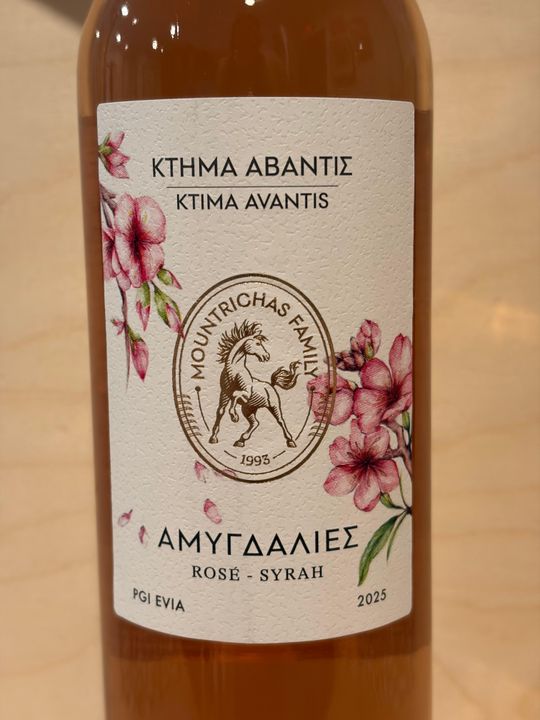
Avantis Estate "Amygdalies Rosé" 2025: Evia, Greece
Grape: Syrah Region/History Notes: Named after the warrior tribe that settled in this area about 4,000 years ago, Avantis is a boutique winery (less than 50 acres!) that actually focuses on Syrah. While not indigenous to Greece, Syrah thrives here in the Mediterranean climate of Evia, which is actually known for white wine production. Breaking all the norms is what Avantis does best though, led by the passionate visionary Apostolos Mountrichas who regularly travels to France to teach seminars on the cultivation and vinification of Syrah. Do you know how good you have to be to not be French but be invited by the French to host winemaking lectures?? Tasting Notes: What an interesting rosé! Notes of black cherries and ripe raspberries contrast the more masculine notes of tobacco leaf and rosemary. With musky florals on the nose and a peppery spice to the finish, this rosé will be excellent with juicy ribs tossed in a sweet and tangy BBQ sauce—the messier, the better!$23.00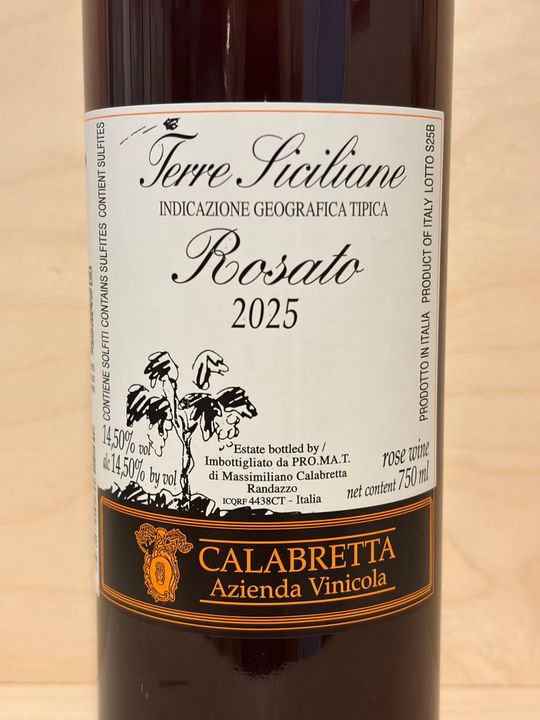
Calabretta Terre Siciliane Rosato 2025: Sicily, Italy
Grape: Nerello Mascalese Region/History Notes: The Calabretta family has farmed the slopes of Mount Etna for four generations. Their vineyards lie on the volcano’s northern side at roughly 2,400 feet in elevation, where they cultivate traditional Sicilian varieties, including the highly tannic and naturally high-acid Nerello Mascalese. Known for its thick skins and structure, Nerello Mascalese is often blended with the more delicate Nerello Cappuccio in Etna Rosso wines. This rosato, however, is made from 100% Nerello Mascalese sourced from relatively young 20-year-old vines, many of them ungrafted. Today, Massimiliano Calabretta leads the estate, farming without artificial fertilizers, herbicides, or pesticides. The wine spends six months in stainless steel, preserving the freshness, bright fruit, and energy of this distinctive Etna variety. Tasting Notes: Be sure to let this warm slightly before going all in! Dark cherries, strawberry, grilled Ruby Red grapefruit, pink peppercorn.OUT OF STOCK$30.00
Center of Effort Rosé 2024: Edna Valley, California
Grapes: Grenache Noir/Syrah/Mourvèdre Region/History Notes: Just off the coast of the Pacific Ocean, Edna Valley is home to some incredible cool-climate wines. Growing season temperatures generally hover between 55–59 degrees Fahrenheit, creating shorter ripening periods and slower grape maturation that result in beautifully bright acidity. This blend is composed of 61% Grenache Noir, 36% Syrah, and 3% Mourvèdre. The grapes are hand-harvested, then whole-cluster pressed, with fermentation taking place in concrete vessels for added texture and freshness. Tasting Notes: Green strawberries, white nectarines, and honeysuckle just before bloom mingle with a soft hint of yogurt on the nose. And when we said higher acidity, we meant it! Intense tart lime charges across the palate, layered with touches of pink salt and a surprising weightiness. The vibrant acidity makes this wine a perfect match for fresh citrus salads or a big bowl of salt-and-vinegar potato chips!$45.00
Dom. du Gros Noré Bandol Rosé 2025: Bandol, Provence, France
Grapes: Mourvèdre, Grenache, Cinsault Region/History Notes: Alain Pascal's family estate sits on the sun drenched limestone and clay hillsides of Bandol, where old vines thrive under the warm Mediterranean sun and cooling sea breezes. The blend of 40% Mourvèdre, 40% Cinsault, and 20% Grenache gives this wine remarkable aging potential while remaining vibrant in its youth. Like the finest Bandol rosés, this is a true gastronomic wine built for food rather than simply sipping on the patio. Tasting Notes: The 2025 vintage immediately announces itself with layers of white peach, apricot, citrus peel, wild strawberry, fresh herbs, and delicate floral notes. Mourvèdre provides a savory backbone and subtle grip that carries the wine well beyond the finish, while the bright acidity keeps everything lifted and energetic. Give it 20 to 30 minutes in the glass, or even decant this if you drink young. Don't be afraid to cellar for 2-3 years! Pair with bouillabaisse or seared scallops.$56.00
Dom. Hippolyte Reverdy Sancerre Rosé 2025: Loire Valley, France
Grape: Pinot Noir Sancerre hasn’t always been celebrated for its bright, mineral-driven Sauvignon Blancs—originally, the spotlight belonged to Pinot Noir. The Reverdy family has crafted wine in the village of Verdigny for generations, producing small quantities mainly for local enjoyment, while also tending goats and other crops. After WWII, Hippolyte Reverdy and his sons expanded their vineyards and began bottling under their own name. Today, Hippolyte’s son Michel continues the family legacy, farming the limestone-rich slopes with care and precision. Tasting Notes: This rosé dazzles in the glass—sockeye salmon pink with rose-gold highlights. The nose, gentle at first, blooms with notes of ripe peaches and wild strawberries over a creamy hint of Greek yogurt. The palate is exuberant and juicy, bursting with fresh berries and the zesty brightness of Cara Cara oranges. A true stunner on its own, it pairs beautifully with roasted salmon.$50.00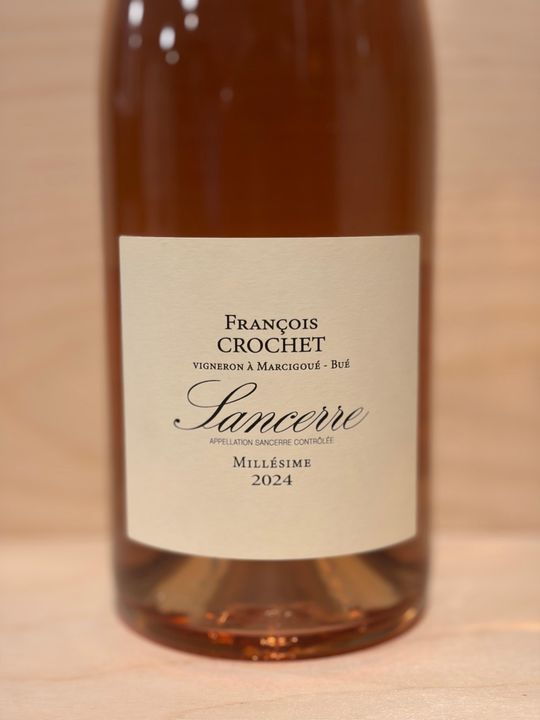
Francois Crochet Sancerre Rosé 2024: Loire Valley, France
Grape: Pinot Noir Region/History: Rosé is one of Sancerre’s best-kept secrets. Made entirely from Pinot Noir, these wines are gently pressed to preserve elegance rather than extract color or tannin. Lucien Crochet farms hillside vineyards around Bué, where cool nights preserve vibrant acidity while allowing impressive aromatic complexity. Tasting Notes: Its bubblegum-pink hue may suggest a simple, fruit-driven rosé, but there is far more beneath the surface. White cherry, dried strawberry, and pink grapefruit meet electric acidity and a subtle saline edge, while savory herbs and delicate tobacco leaf add depth and sophistication. Structured enough to evolve beautifully, this can be enjoyed now with a one-hour decant or cellared another 1–2 years. Pair with roasted chicken, turkey, or herb-stuffed pork loin. A versatile rosé equally at home on the Thanksgiving table or a warm summer evening.OUT OF STOCK$46.00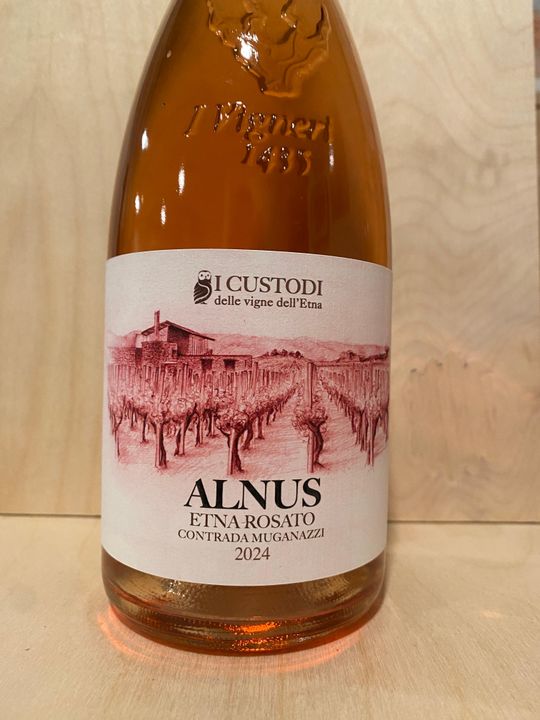
I Custodi "Alnus" Etna Rosato 2024: Sicily, Italy
Grapes: Nerello Mascalese/Nerello Cappuccio Region/History Notes: Founder Mario Paoluzi partnered with Etna legend and winemaker Salvo Foti, one of the region’s most respected figures, to craft I Custodi wines. This blend of Nerello Mascalese (80%) and Nerello Cappuccio (20%) comes from vineyards on Etna’s northern slopes in Contrada Moganazzi Cantina. Contrade are somewhat like Burgundy’s crus, defined by distinct geological formations created by different lava flows. Alnus is made using the traditional pista e mutta (“press and rack”) method, where red grapes are pressed and immediately separated from their skins, limiting phenolic extraction for a fresh, delicately structured rosato. Tasting Notes: Bright and refreshing, with juicy strawberry and raspberry, followed by grapefruit and ripe honeydew melon. Despite its lively acidity, it finishes surprisingly soft and almost chalky. Go classic and pair with Sicilian arancini!$47.00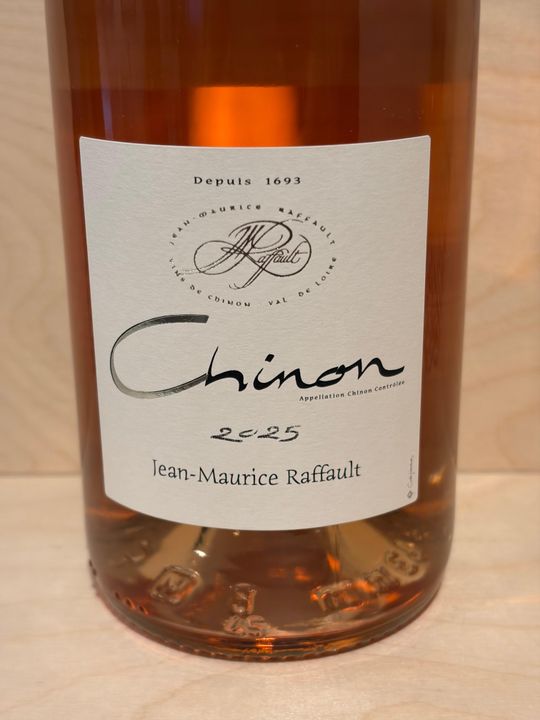
Jean-Maurice Raffault Chinon Rosé 2025: Loire Valley, France
Grape: Cabernet Franc Region/History Notes: The Raffault family has been growing vines in Chinon since 1693. Their 44 hectares stretch across seven communes on both banks of the Vienne River, where Cabernet Franc is king. The domaine began converting to organic farming in 2009 and has been certified organic since 2019. This rosé is 100% Cabernet Franc from sand and gravel soils, fermented at low temperatures with indigenous yeasts to preserve its bright aromatics. Tasting Notes: While fruit forward on the nose, this wine leans more savory on the palate. There’s abundant raspberry, wild cherry and wild strawberry, with lots of candied pink and red fruit. Then comes this smoked poblano pepper quality that is so interesting! Lifted acidity leads into a clean, bright finish. As it opens slight florals emerge. Refreshing, smoky, spicy all while keeping pink and red fruit qualities, this will be perfect with smoked salmon, dill and capers on flatbread with a little Boursin cheese.$27.00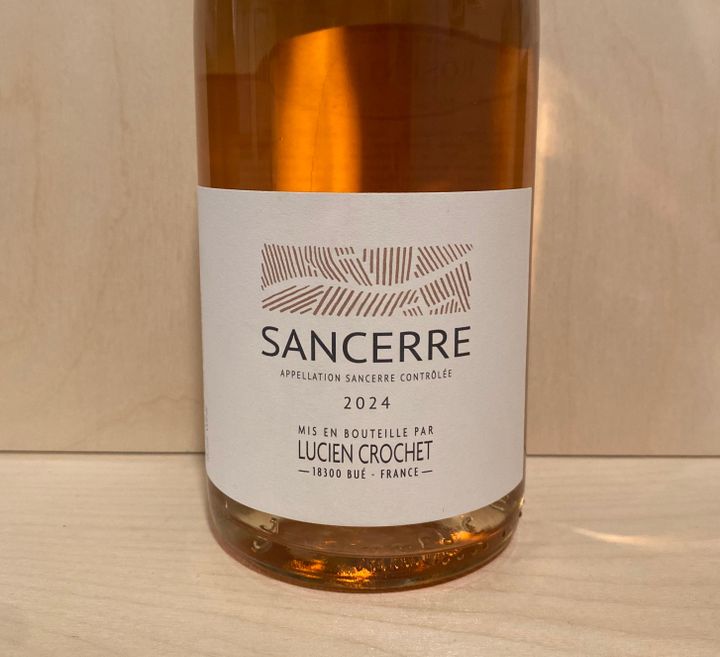
Lucien Crochet Sancerre Pinot Noir Rosé 2025: Loire Valley, France
Grape: Pinot Noir This Sancerre rosé from Lucien Crochet highlights the expressive, flirty side of Pinot Noir. The estate spans 35 hectares, mostly Sauvignon Blanc, with 9 hectares dedicated to Pinot Noir. Despite a challenging vintage marked by heavy rain and reduced yields, slow ripening preserved freshness and acidity, resulting in an elegant, vibrant wine. Aromas of white grapefruit, fresh strawberries, and leafy green herbs lead into a palate with notable weight from six months on the lees and minimal oak influence. Bright citrus and tart raspberry flavors carry through to a long, slightly pithy finish. Drinking beautifully now, it can age for two to three more years and pairs well with grilled fish or charcuterie.$49.00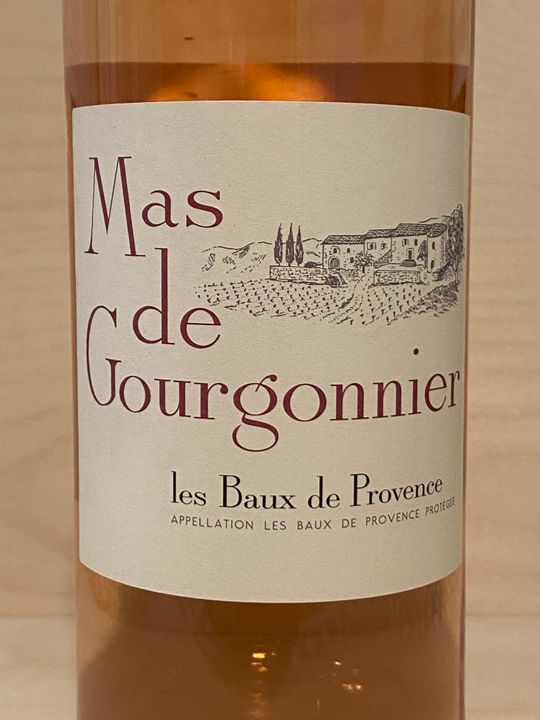
Mas de Gourgonnier les Baux de Provence Rosé 2025: Provence, France
Grapes: Grenache/Cabernet Sauvignon/Cinsault Region/History Notes: Mas de Gourgonnier sits on the southern slopes of the Alpilles, where the Cartier family has farmed since 1922. They were early pioneers of organic farming and today their 45 hectares of vines remain certified organic. Les Baux-de-Provence became its own AOC in 1995 and, as of the 2023 vintage, became France’s first wine appellation to be 100% organically farmed. Limestone-clay soils, abundant sunshine and the Mistral define this tiny 277-hectare Provençal appellation, home to just 12 estates. Tasting Notes: The aromatics here are herbal, with smoked blood orange and dried apricot—a far cry from your tutti-frutti poolside rosés. Grenache brings dried strawberry, rose petals, tarragon and sage, while Cabernet adds plum and cherry, more robust structure, and an earthy, dry clay quality. Bone dry with a slightly creamy texture. The finish makes me want butternut squash soup, herb-roasted poultry and fingerling potatoes.$38.00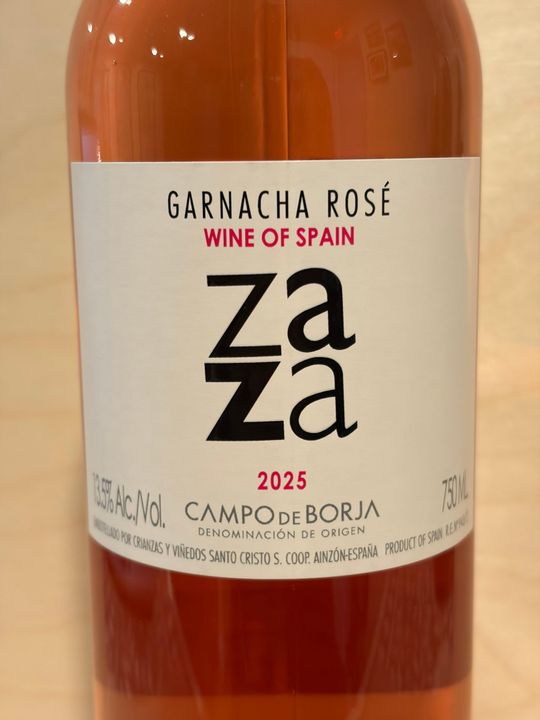
Santo Cristo "Za Za" Garnacha Rosé 2025: Campo de Borja, Spain
Grape: Garnacha Region/History: Campo de Borja, southeast of Rioja, is known as the “Empire of Garnacha,” with more than 12,000 acres of Garnacha (Grenache) vineyards. Its continental and Mediterranean climates and well-draining, lime-rich soils create ideal conditions for the grape, which shines in everything from deeply concentrated reds to refreshing rosés. Tasting Notes: Bright, energetic, and incredibly likable, this rosé bursts with wild strawberries, fresh raspberries, watermelon rind, rose petals, and citrus zest. Juicy and refreshing, with a subtle mid-palate creaminess, it’s dry, crisp, and full of personality. Exactly the kind of wine I want on the patio with friends while the grill heats up. Pair with grilled shrimp tacos, watermelon and feta salad, charcuterie, or a spread of Spanish tapas.OUT OF STOCK$15.00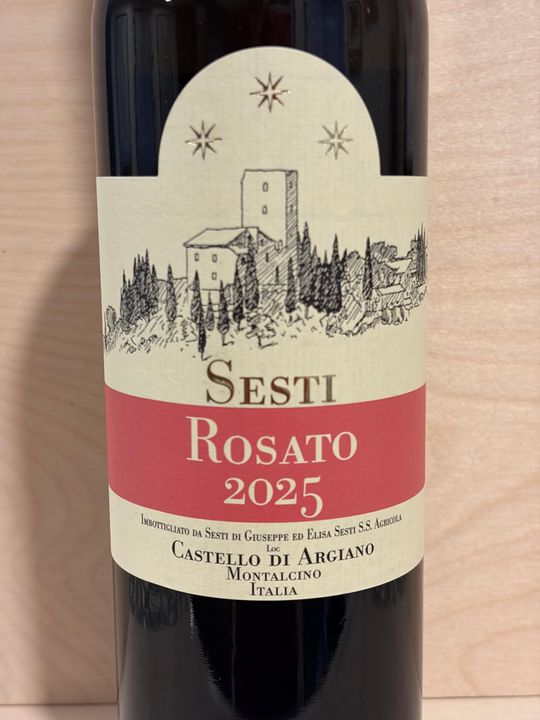
Sesti Rosato Castello di Argiano 2025: Montalcino, Tuscany, Italy
$40.00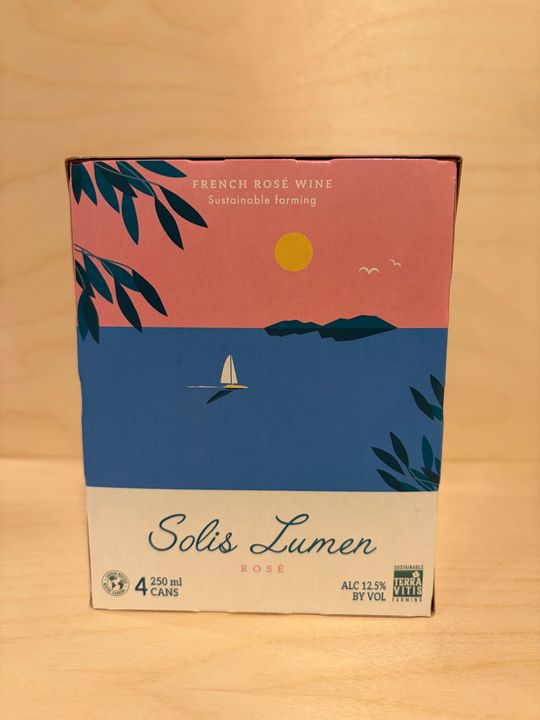
Solis Lumen Rosé 4pk Cans
$20.00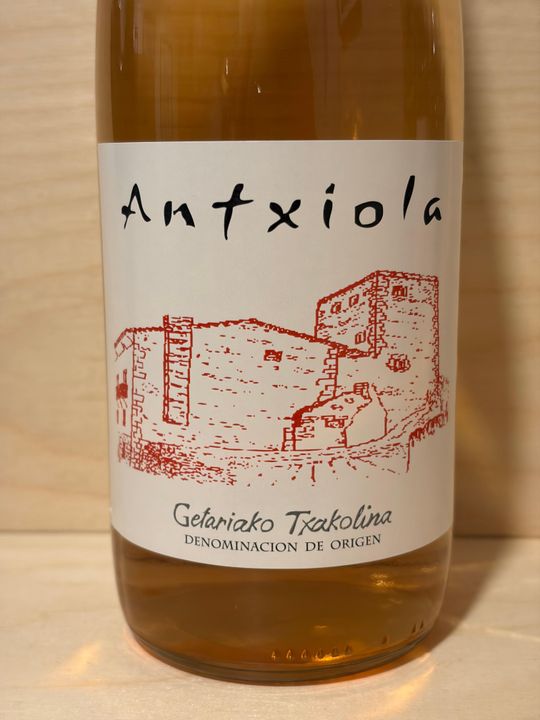
Zudugurai "Antxiola" Rosado 2025: Getariako Txakolina, Basque Country, Spain
Grape: Hondurrabi Beltza Region/History Notes: Arabako Txakolina, the newest and smallest of the 3 Txakoli-focused DOs in Spain's Basque Country, is located farther inland than the Getariako Txakolina and Bizkaiko Txakolina appellations. “Txakoli” translates to "farm wine," reflecting the region's home winemaking traditions. Arabako Txakolina lies within the Álava province, also home to Rioja Alavesa wines. The Txakoli-producing vineyards are concentrated in the province's northern reaches, closer to the cooling Atlantic influences. Compared to the other Txakoli appellations, the wines here are typically less spritzy, and producers are more likely to incorporate international or lesser-known grape varieties. Xarmant, meaning "charming," is a blend of 80% Hondarrabi Zuri with small amounts of Petit Courbu, Gros Manseng, and Petit Manseng. Tasting Notes: Delicate and spritzy with notes of tangerine, lime pith, jasmine tea, and a touch of salinity. Pair with grilled shrimp or fish tacos!OUT OF STOCK$30.00
Orange Wine
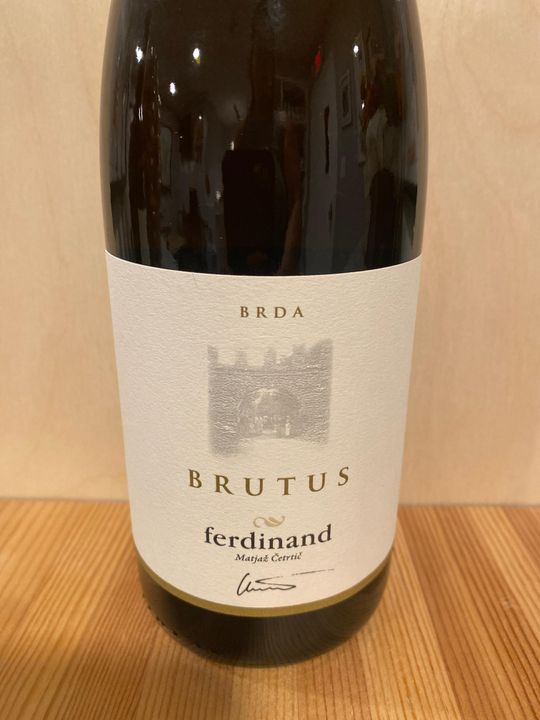
Ferdinand Winery " Brutus" Rubela 2019: Brda, Slovenia
Grape: Ribolla Gialla Orange wine may seem new, but it’s among the world’s oldest winemaking traditions, dating back thousands of years in Georgia and long embraced in Friuli and Slovenia. Instead of pressing white grapes off their skins right away, the juice is left to macerate, gaining color, tannin, and texture. Ferdinand’s Brutus takes this ancient method to the extreme: 100% Rebula (Ribolla Gialla) from Brda aged on the skins for a full 12 months. The result is a deep amber wine with aromas of dried apricot, orange peel, wild herbs, beeswax, and tea leaves. On the palate, it’s broad and structured, with gentle tannins balancing orchard fruit, citrus, and a saline, mineral finish. Serve just below room temperature and let it breathe to watch the layers unfold. A brilliant match for grilled pork, mushroom risotto, or rich cheeses, this is a serious yet soulful expression of orange wine.$54.00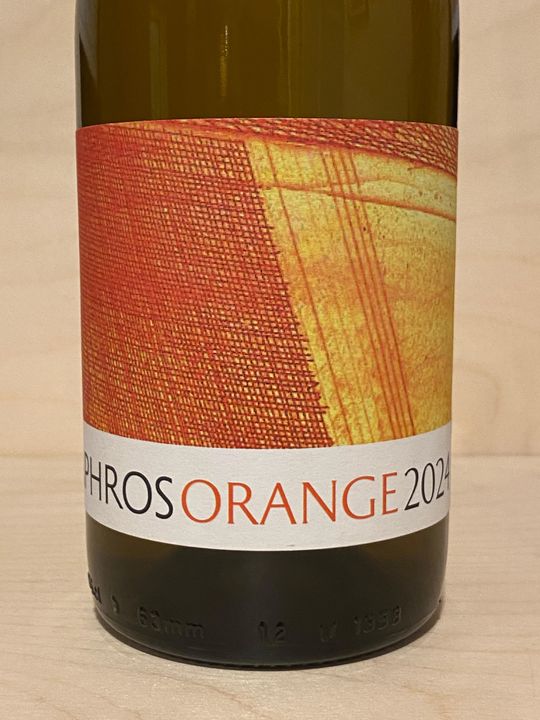
Aphros Orange 2024: Vinho Verde, Portugal
Grape: Loureiro Unlike white wine production, where the juice from white grapes is quickly separated from the skins, orange wines result when white varieties see extended skin contact, giving them their characteristic amber color, texture, and higher levels of tannin compared to a typical white wine. This example is made from Loureiro, a highly aromatic grape often called the “Riesling of Portugal.” Planted throughout Vinho Verde, Loureiro is thought to have originated in the Lima Valley sub-region where the Aphros winery is located. As a certified biodynamic producer, Aphros takes a holistic approach to farming, using horses and sheep to work the vineyards and even maintaining beehives on the property! Tasting Notes: Many orange wines can come across as overly tannic, but this one drinks more like a white wine! It has delicate aromas of orange blossoms, clementine, and hay, with flavors of dried apricots and ginger emerging on the palate. Pair with Moroccan cuisine like Chicken TagineOUT OF STOCK$27.00
Sweet Wine
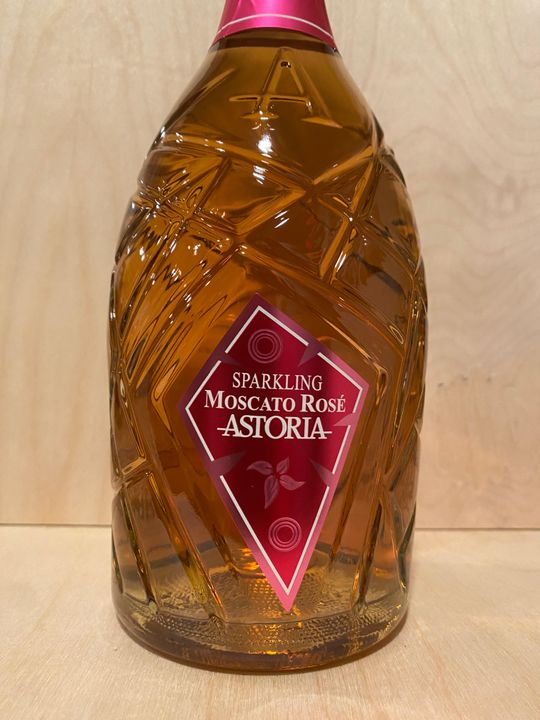
Astoria Sparkling Moscato Rosé NV: Italy
$18.00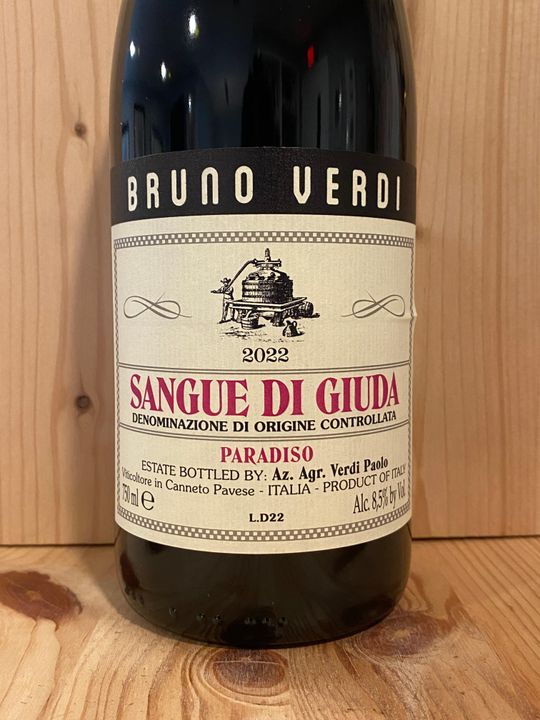
Bruno Verdi "Paradiso" Sangue di Giuda 2024: Lombardy, Italy
Grapes: Barbera/Croatina/Uva Rara Region/History Notes: Sangue di Giuda literally translates to “Blood of Judas” and wines from this region are also often simply referred to as “Blood Wines.” So what’s up with this? Why would anyone name their wine this?? Well, legend has it that local friars long ago named the wine from this region “Blood of Judas” referring to its stimulating and sensual flavors and “aphrodisiac effects!” Talk about a selling point!! Usually a blend from these local red grapes: Barbera, Croatian, and Uva Rara, it is made in a sweet, slightly spritzy style that is perfect served with a chill and paired with chocolate covered blueberries! Pop this bottle and see where the night takes you with these sensual flavors and aphrodisiac effects… You’re welcome!$29.00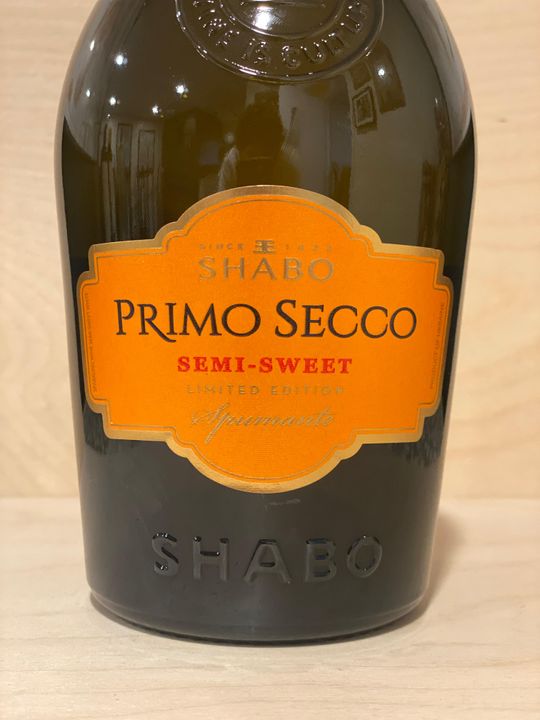
Shabo Primo Secco Semi-Sweet Spumante NV: Shabo, Odesa, Ukraine
Grape: Telti-Kuruk$25.00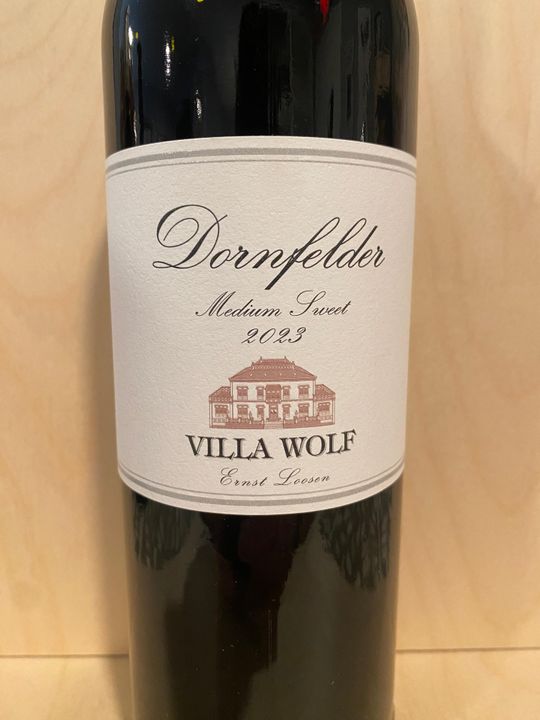
Villa Wolf Medium-Sweet Dornfelder 2023: Pfalz, Germany
Grape: Dornfelder Region/History Notes: Dornfelder is one of the many examples of German 20th-century crosses, created in 1956 by August Herold as a cross of Helfensteiner and Heroldrebe. These two grapes are crosses themselves, and the lineage of Dornfelder includes Pinot Noir, Trollinger (AKA Schiava Grossa), Blaufränkisch, and Blauer Portugeiser. Today, Dornfelder is the second-most widely planted red grape in Germany and is a key variety in both the Rheinhessen and Pfalz. While modern styles are often fermented fully dry and aged in oak, you can also readily find styles with some residual sugar, like this one. Tasting Notes: Ripe plums, cherries, and blueberries with refreshing acidity, a velvety tannin structure, and just a touch of sweetness. Serve lightly chilled and enjoy during dinner with roasted meats, or after dinner with either a cheese board or a flourless chocolate cake!$18.00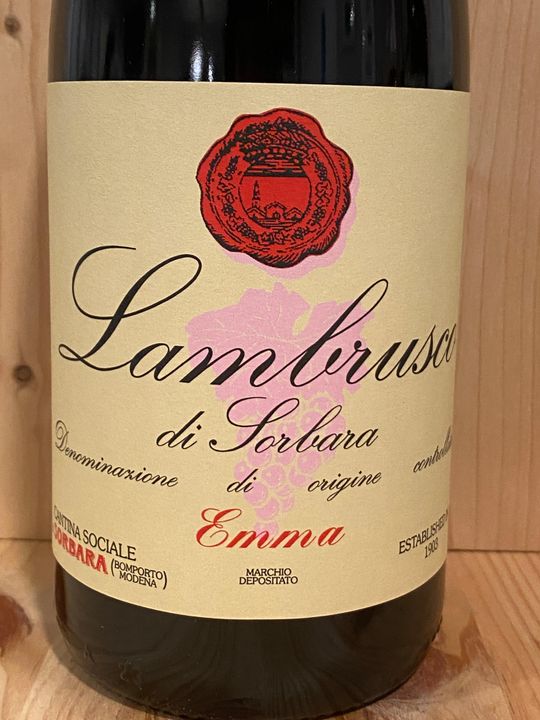
Cantina Sorbara "Emma" Lambrusco di Sorbara NV: Emilia-Romagna, Italy
Grape: Lambrusco di Sorbara/Lambrusco Salamino Region/History Notes: Lambrusco is both the overarching name of a family of grapes, as well as a style of wine produced from those grapes in the Emilia-Romagna region of Northern Italy. There are countless styles of Lambrusco, from wines that are on the more light-hearted and sweet side, to fully dry sparkling whites and reds. “Emma,” from Cantina di Sorbara, is made mostly from Lambrusco di Sorbara—considered the finest of the Lambrusco clones for its low yields in the vineyard and its fragrant and floral characteristics. Tasting Notes: At 8.5% alcohol this is a gently sweet style of Lambrusco with enough tart acidity to keep the body of the wine lifted and bright. Notes of pomegranate, strawberry leaf, and rose on the nose, and a delicate frizzante bubble structure on the palate with a pop of Morello cherry. Perfect pizza night wine, especially if there’s a little spice involved!$22.00Villa Monsignore Moscato d'Asti
$18.00
Dessert, Vermouth, etc.
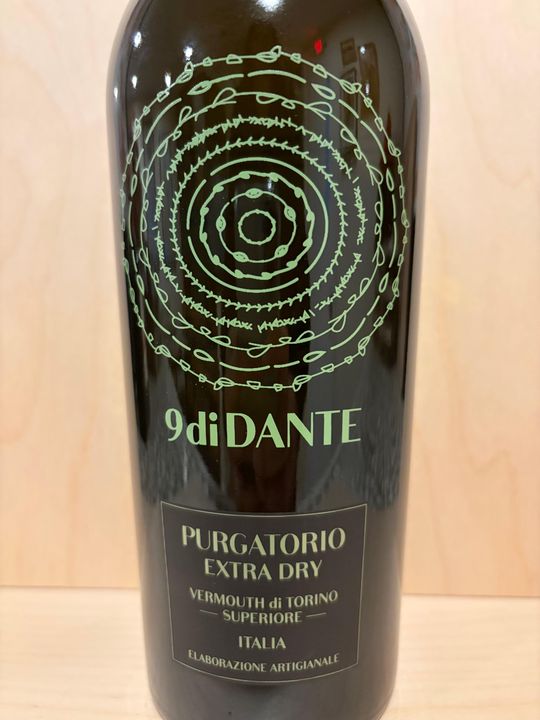
9 di Dante "Purgatorio" Extra Dry Vermouth: Italy
Grape: Arneis Taking inspiration from the second stage of Dante’s journey as he climbs Mount Purgatory, this Vermouth di Torino Superiore is set to redefine the appreciation for Extra-Dry Vermouths. As the first ever vermouth to be blended exclusively from 100% Arneis DOC wine, PURGATORIO continues to pledge 9diDANTE’s commitment of putting Piemonte wines at the heart of its vermouths. With an intense personality and unusually full-bodied for an Extra-Dry Vermouths, it has a distinct floral nose that preserves the characteristic pear and apricot notes of the Arneis wine, complemented by a balanced sensation of lemon peel, sage and mint, to ensure a refreshing and mildly bitter sensation Perfect in a Martini and equally enjoyable over ice with a lemon twist.$49.00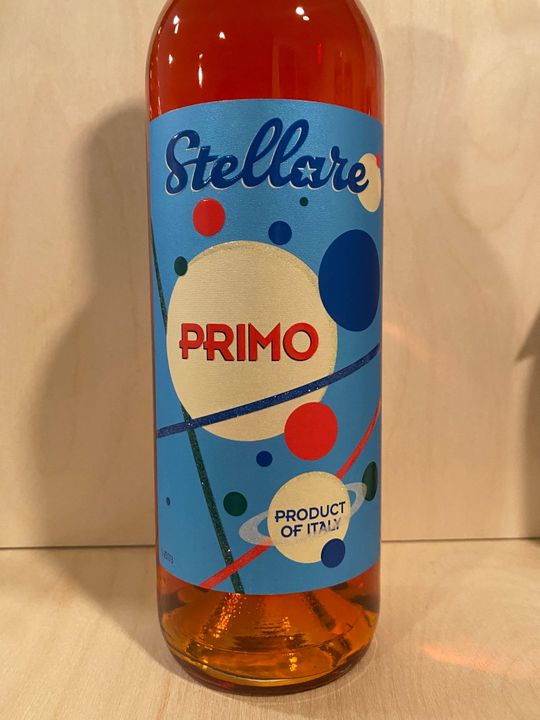
Antica Torino "Stellare Primo" NV: Piedmont, Italy
Region/History Notes: Halfway between a wine and a sprit, vermouth is made from a base wine that’s fortified with a neutral spirit and then infused with an array of herbs and botanicals. Each producer has a secret recipe for the final blend that creates a distinct beverage. Some of my favorite vermouths come from Italy—the Italian tradition is to serve them neat and simply garnished rather than mixed into cocktails, so it’s all too easy to find a delicious bottle that is stunning on its own! Antica Torino is the brainchild of Ligurian spirits-lover Vittorio Zoppi and Umbrian winemaker Filippo Antonelli, and together they make an array of regionally expressive vermouths and liqueurs. Tasting Notes: Woodsy, spicy, and herbaceous with notes of orange peel, apricot, and a little strawberry. The sweetness on the mid-palate quickly gives way to a bitter finish, so it’s perfect as a gentler substitute for Campari in a Negroni, or delicious even just in a spritz!$31.00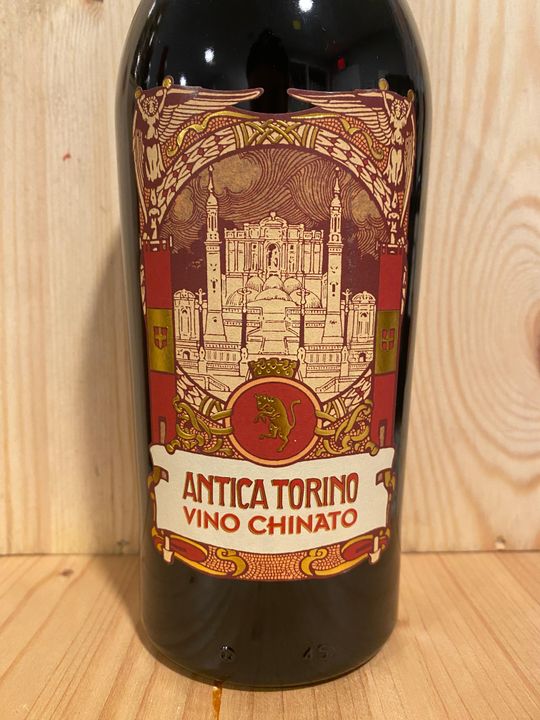
Antica Torino Chinato: Piedmont, Italy
Grape: Nebbiolo Region/History Notes: Vino Chinato takes inspiration from Barolo Chinato, a fortified wine made from Barolo DOCG grapes that is stylistically halfway between a vermouth and an amaro. This more accessible version from producer Antico Torino is made with Nebbiolo grapes from the Langhe DOC from winemaker Luigi Voghera. After being fortified with a neutral wheat distillate, the wine is then infused with a healthy dose of cinchona along with other botanicals like wormwood, gentian, elderflower, rhubarb, bay leaves, chamomile, marjoram, cinnamon, vanilla, coriander, rose, and nutmeg. Tasting Notes: Aromas of dried flowers, citrus peels, and a dizzying array of herbs, spices, and dark chocolate characterize the nose of this wine. The palate is reminiscent of sweet incense with a bitter herbal finish. Delicious on its own after a meal, mixed with soda water as an aperitif, or as a vermouth substitute if you like an extra bitter Negroni!$51.00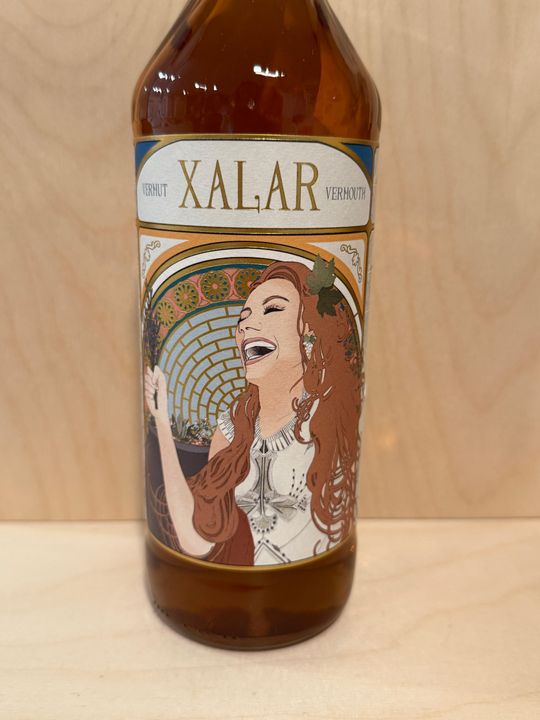
Coca i Fito "Xalar" Vermouth NV: Spain
$35.00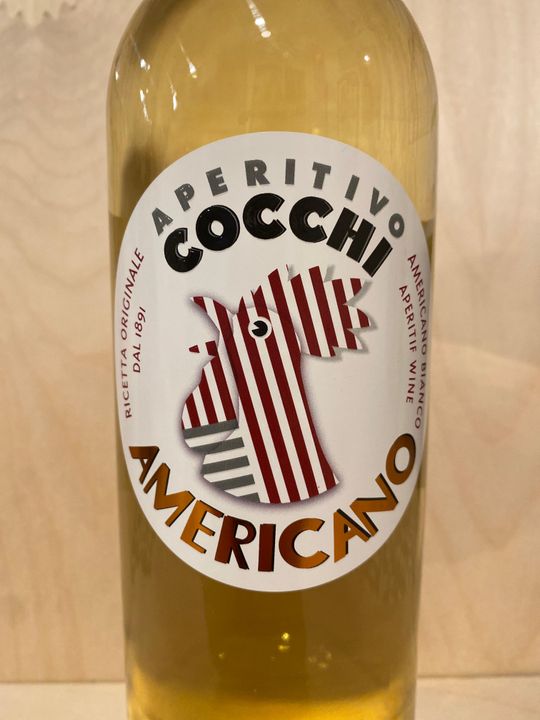
Cocchi Americano Bianco: Piedmont, Italy
Region/History Notes: Vermouth is made by fortifying still wine with a neutral grape spirit and then adding herbs, spices, and botanicals—each vermouth has its own secret recipe that makes it unique! Cocchi Americano came onto the scene in 1891 and uses Moscato Bianco grapes as its base. After fortification, it’s infused with things like coriander seed, star anise, bitter orange peel, wormwood, and perhaps most importantly, cinchona bark. Cinchona bark contains quinine and helps give Cocchi Americano its signature taste. The name Americano is derived from the Italian word amaricato, meaning ‘to make bitter,’ as well as the American habit of drinking vermouth over ice with soda. Tasting Notes: Citrus peels and botanical-derived aromatics keep your palate invested with every sip! Keep it simple by serving this with an orange slice, although you can also use this as a substitution for dry vermouth or Lillet Blanc in cocktails such as the Vesper Martini or White Negroni!$33.00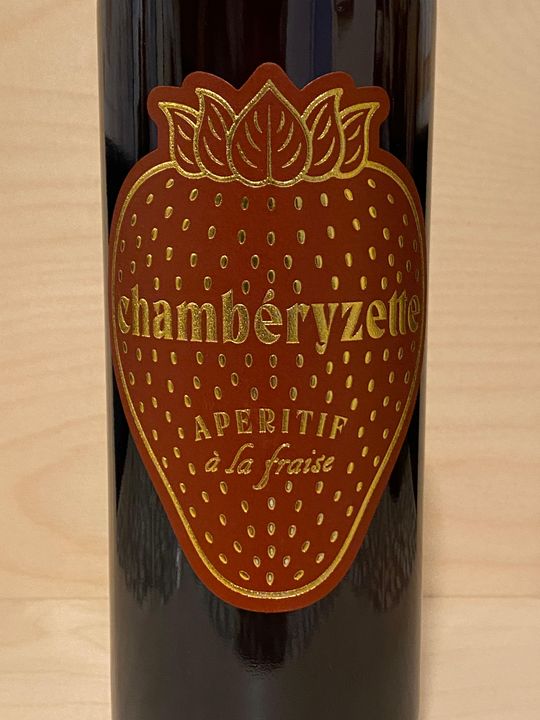
Dolin Chamberyzette Strawberry Aperitif
Region/History Notes: Located in Chambéry in the heart of France’s Savoie, the family-owned Dolin is a historic producer of regional liqueurs and Vermouth de Chambéry. Dolin continues to make the authentic product according to the principles which earned Chambéry France’s only A.O. for vermouth back in 1932. This means production in Chambéry itself, maceration of real plants rather than pre-prepared infusions, and sweetening only by grape must, wine and/or sugar. Tasting Notes: Chambéryzette is a palate-pleasing aperitif that captures the aromatics, acidity and delectable flavors of wild alpine strawberries. It’s exceptionally versatile and adds a vivid, balanced strawberry profile to drinks like a spritz, vodka soda, Martini, or a wild strawberry Negroni. It stands apart from the simplistic and overbearing sugariness of other French strawberry aperitifs and liqueurs.$32.00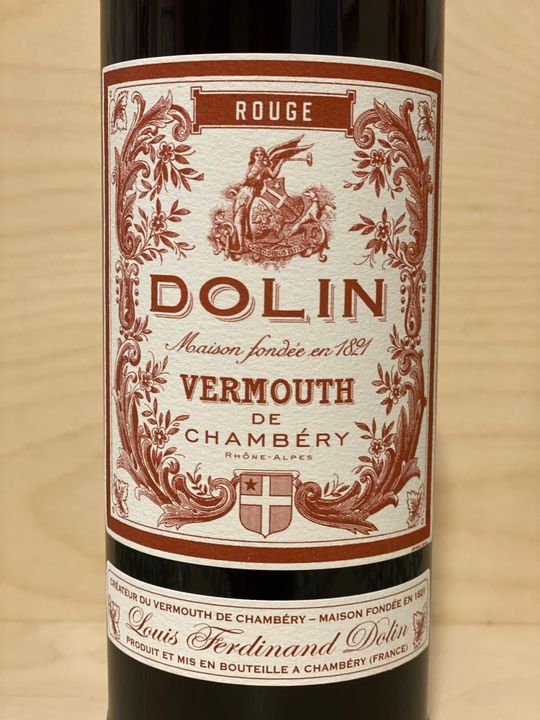
Dolin Vermouth de Chambry Rouge NV: Chambéry, France
$24.00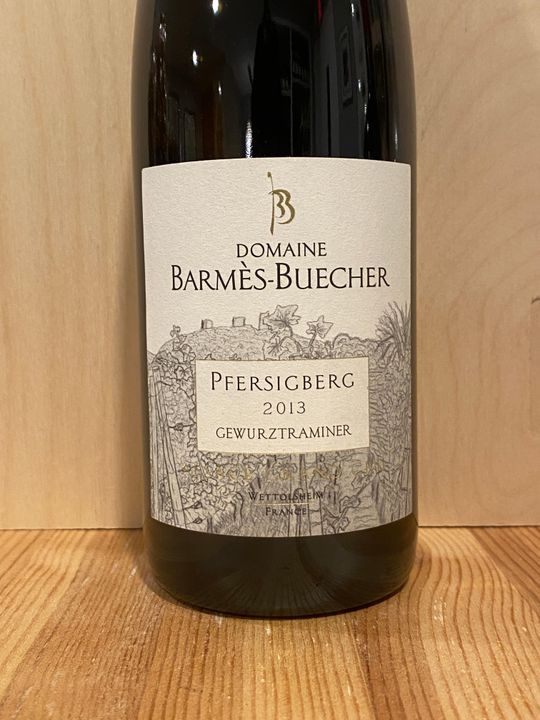
Dom. Barmès-Buecher Grand Cru Pfersigberg Gewürztraminer 2023: Alsace, France (500mL)
Grape: Gewürztraminer Region/History: Domaine Barmès-Buecher was established in 1985 by husband and wife François and Geneviève. Of their 30 acres in Alsace, they have three Grand Cru holdings: Hengst, Steingrubler, and Pfersigberg. The vineyard of Pfersigberg is the 3rd largest Grand Cru in Alsace and has a particular reputation for the quality of its Gewürztraminer. Tasting Notes: There is so much going on in this wine—where do I begin?! Over half of these grapes being affected by botrytis (“Noble Rot”) lends aromas of candied orange peel, saffron, marmalade, and subtle white mushroom. And then the age on this wine showcases all of this gorgeous dried apricot, hay, and a hint of petrol that is just starting to develop. While quite sweet, the 128g/l of residual sugar is matched by an almost crystalline acidity that keeps the wine fresh and tells me this still has a long life ahead of it. This deserves a good aged Muenster cheese or a Moroccan chicken tagine with dried fruits!$86.00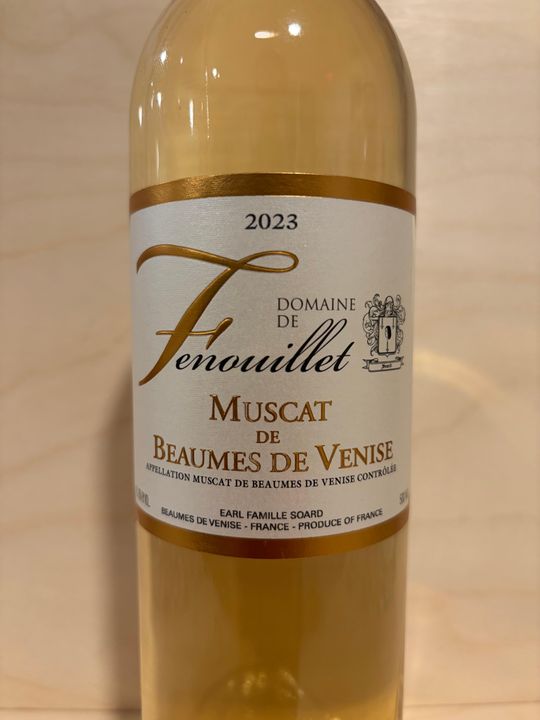
Dom. Fenouillet Beaumes de Venise 2023: Rhône, France (375ml)
$30.00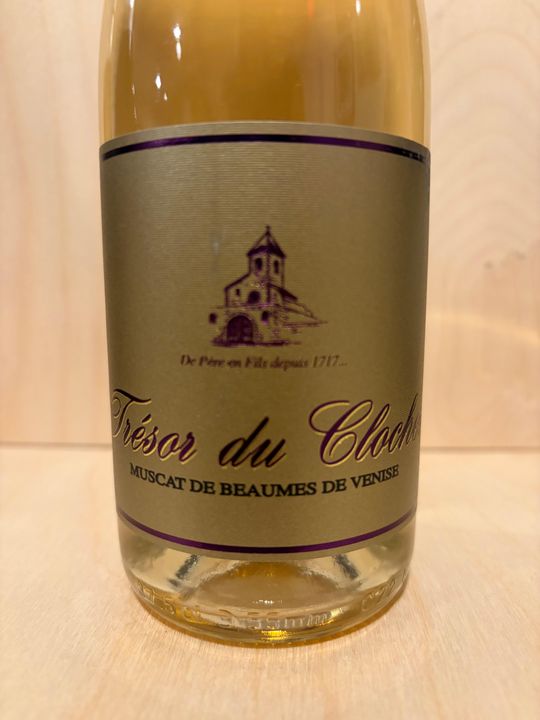
Famille Arnoux Trésor du Clocher 2023: Beaumes de Venise, France (375ml)
Grape: Muscat Region/History Notes: Famille Arnoux’s Trésor du Clocher 2023 is the classic Muscat de Beaumes-de-Venise, the famed vin doux naturel made from Muscat à Petits Grains. Vineyards sit on the warm, limestone-rich slopes of the Dentelles de Montmirail, where Muscat develops heady aromatics yet keeps bright acidity. Since the mid-20th century, Beaumes-de-Venise has been celebrated for its gently fortified style that preserves natural sweetness and perfume. Arnoux, one of the region’s longstanding families, focuses on purity and balance, crafting dessert wines that highlight both terroir and varietal expression. Tasting Notes: The 2023 vintage bursts with orange blossom, white peach, apricot preserves, and honeysuckle. A thread of lively acidity keeps the sweetness lifted, with notes of candied citrus peel and a touch of fresh herbs. Luscious but never heavy, it’s wonderful chilled on its own or paired with fruit tarts, blue cheese, or simple shortbread.$22.00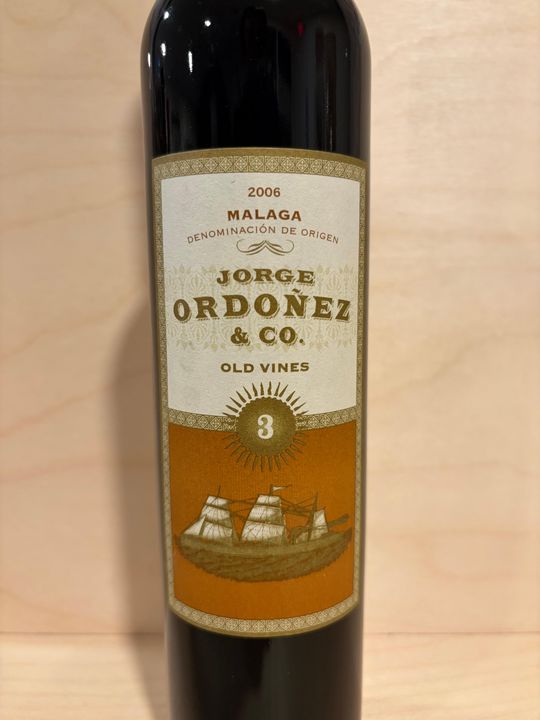
Jorge Ordoñez & Co Old Vines #3 2006: Malaga, Andalucia, Spain
Grape: Muscat of Alexandria A lush blend of figs, golden raisins, and black tea, with a rich, indulgent sweetness perfect for any time. Málaga, the largest D.O. in Andalucía, is shaped by Mediterranean influence and high-elevation vineyards that bring cooling diurnal shifts, balancing ripeness and acidity. While known for sweet wines from dried grapes—often fortified—this Moscatel, made from Muscat of Alexandria, is unfortified at 13% alcohol, showcasing purity of fruit. Layers of dried figs, fig paste, golden raisins, and richly brewed black tea create a beautifully textured profile. Though lusciously sweet, vibrant acidity keeps it lifted and balanced. A natural match for a hearty cheese board or a classic figgy toffee pudding.$65.00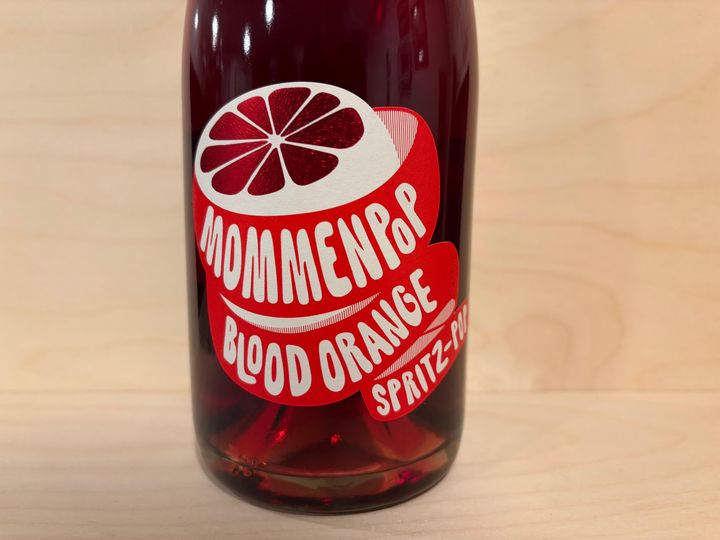
Mommenpop Blood Orange Spritz-Pop
$27.00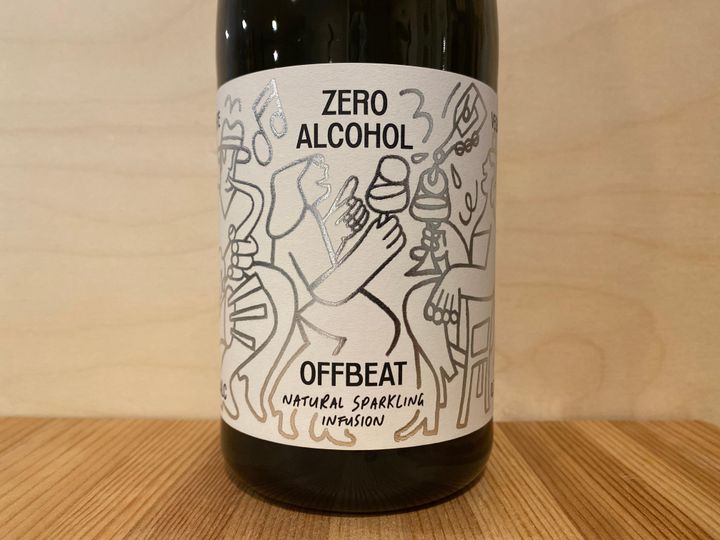
OFFBEAT Sparkling White: Treviso, Italy
$15.00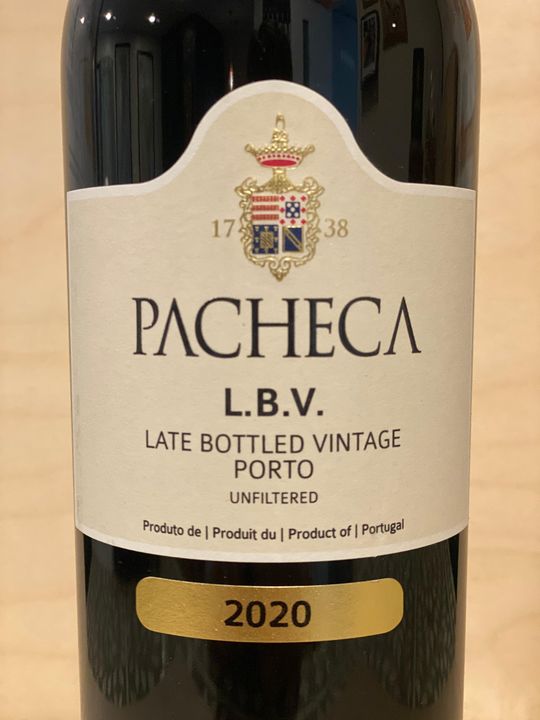
Quinta da Pacheca Late Bottled Vintage Port 2020: Duoro, Portugal
Grapes: Touriga Franca/Touriga Nacional/Tinta Amarela/Tinto Cão Region/History Notes: Late Bottled Vintage (LBV) Ports come from a single vintage and spend four to six years aging in either stainless steel or large oak barrels before being bottled. The goal is to minimize oxidation, preserving a fruit-forward style of Port that’s ready to drink upon release. Because LBVs spend so much time aging before bottling, additional bottle aging generally won’t add significant new flavors. This blend of 40% Touriga Franca, 20% Touriga Nacional, 20% Tinta Amarela, and 15% Tinto Cão was foot-trodden I Love Lucy style to quickly and gently extract color and tannins from the grape skins before fermentation and four years of aging in 600-liter casks. Tasting Notes: Aromas and flavors of blackberry, red and black plum, and prune make this taste like chocolate-covered cherries! The palate is silky, with enough fresh acidity to balance the ripe fruit. Pair with dark chocolate cake!OUT OF STOCK$38.00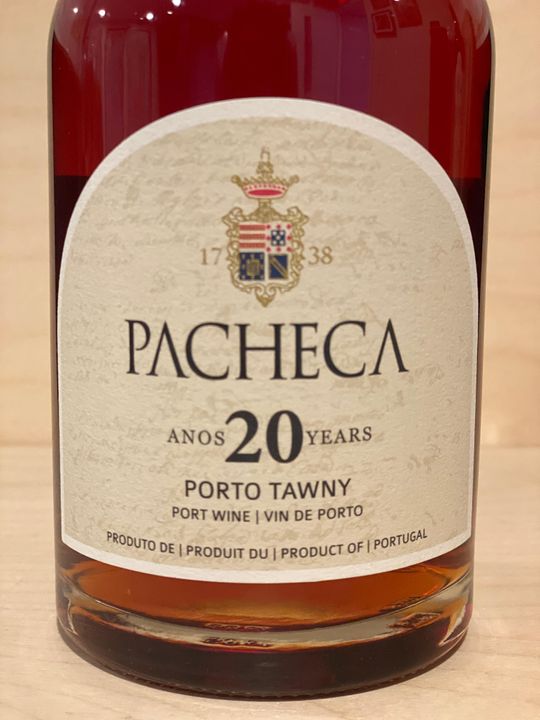
Quinta da Pacheca 20 Year Tawny Port NV: Douro, Portugal
$57.00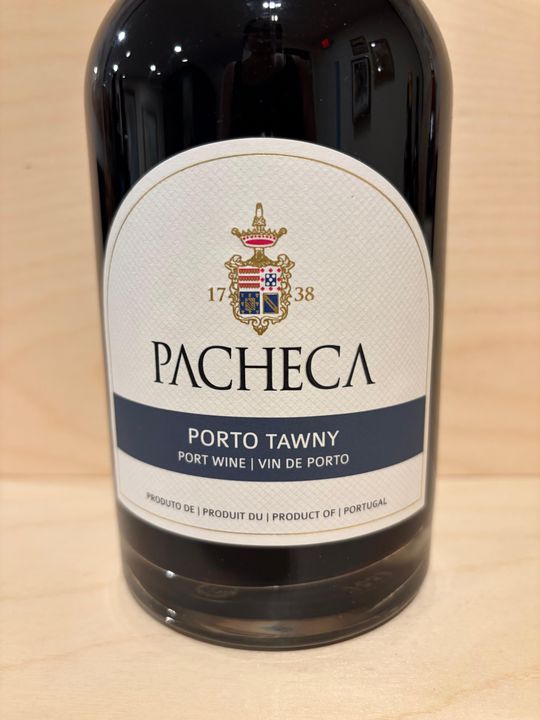
Pacheca Porto Tawny NV: Portugal
Grapes: Traditional Red Grape Varieties of the Douro Region Region/History Notes: In general, Tawny Ports are non-vintage and can be blended across several different vintages, aiming to highlight a house style rather than distinct vintages. Named for their color, Tawny Ports typically have a slightly brown mahogany hue from their oxidative character. This also translates on the palate as nutty, raisinated flavors. The wines for this port are a combination of Ports aged three to four years for freshness and wines aged seven to eight years for added complexity. Tasting Notes: Make sure to serve well chilled, but this Port is not just for dessert. Of course, it pairs perfectly with rich dark chocolate cake, but it is also light enough to be served as an aperitif. Notes of light caramel, toasted almonds, and golden fruit compote lead into a soft mouthfeel with enough acidity to keep the wine feeling lifted.$23.00
Broadbent White Porto NV: Portugal
Grapes: Malvasia Fina/Códega/Rabigato/Viosinho Region/History Notes: Before starting his own line of Ports, Bartholomew Broadbent worked with the famous Symington Family for about a decade and is widely credited with helping revive the Port market in the United States. White Port can be made in a range of styles, from fresh and fruit-forward to rich and oxidative. This field blend of white varieties from the Cima Corgo and Douro Superior sub-regions falls somewhere in between. Aged for an average of 3 years in a combination of stainless steel and seasoned oak vats, it balances fresh fruit with added complexity. Tasting Notes: Tasting Notes: Ripe apple takes center stage, with a sweetness that almost reminds me of apple cider, followed by notes of honey, caramel, and toasted nuts. Enjoy it with salty almonds, mix it with tonic water, then finish with a twist of orange for a classic Portuguese cocktail! Light, refreshing, and lower ABV than a gin and tonic!$30.00
Broadbent Vintage Porto 2015: Douro, Portugal
Grapes: Touriga Franca/Tinta Amarela/Tinto Cão/Tinta Barroca/ Tinta Roriz/ Sousão/Touriga Nacional & others Region/History Notes: Vintage Port is the most prestigious style of Port, but accounts for only about 2% of total production. Producers typically declare a vintage just three or four times a decade, depending on harvest quality and market conditions. This 2015 Broadbent Vintage Port is a field blend of traditional Douro varieties, including Touriga Franca, Touriga Nacional, Tinta Amarela, Tinto Cão, Tinta Barroca, Tinta Roriz, and Sousão. The grapes were foot-trodden in granite lagares, then aged in old wooden vats before bottling. Tasting Notes: Deep, brambly black fruit with ripe blackberry, plum, and floral notes. Fresh acidity and pronounced tannins provide structure, while the palate is silky and rich. Built to evolve into dried fruit and forest-floor flavors with age. Pair with dark chocolate or blue cheese!$85.00
Cappelletti Aperitivo Mazzura
Aperitivo Mazzura distinguishes itself in both its multidimensional flavor and stunning fuchsia color. Botanicals are sourced from Dolomite hills and valleys in Italy’s Triveneto region, birthplace of the spritz. Mazzura’s color comes from a unique blend of flowers and fruits that is entirely natural and vegan-friendly. Try Mazzura in a Negroni, Boulevardier or Spritz. It is made just outside of Trento in Alto Adige by the Cappelletti family who founded their Antica Erboristeria Cappelletti distillery in 1906.OUT OF STOCK$27.00
Distilleria Negroni Rosso NV: Veneto, Italy
$34.00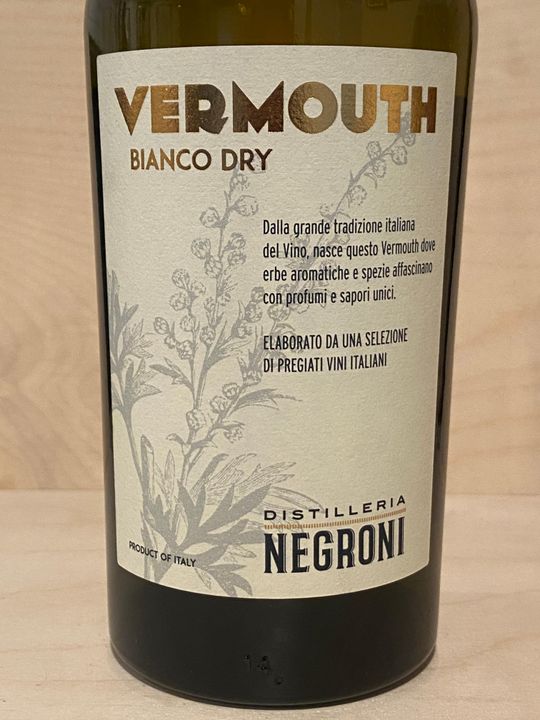
Distilleria Negroni Bianco NV: Veneto, Italy
$34.00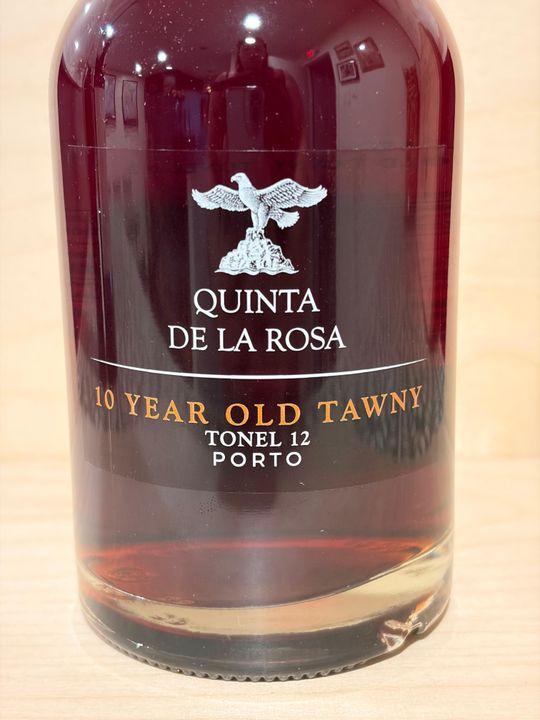
Quinta de la Rosa 10yr Tonel 12 Tawny Port: Douro, Portugal
$61.00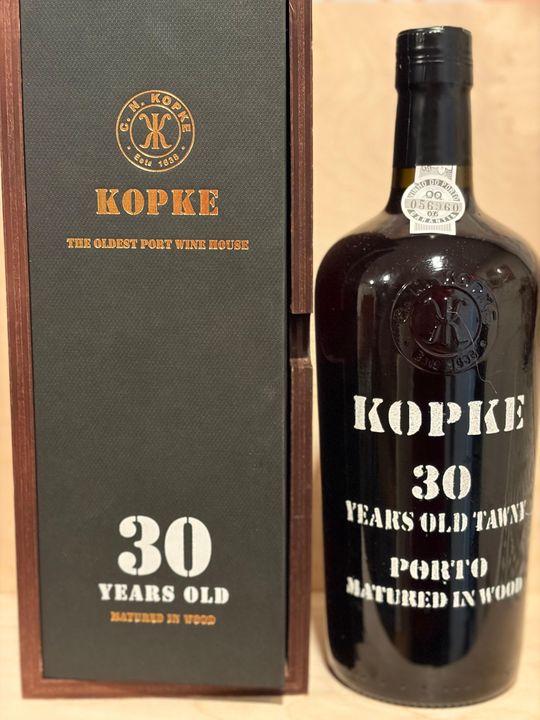
Kopke 30 Year Tawny Port: Portugal
$220.00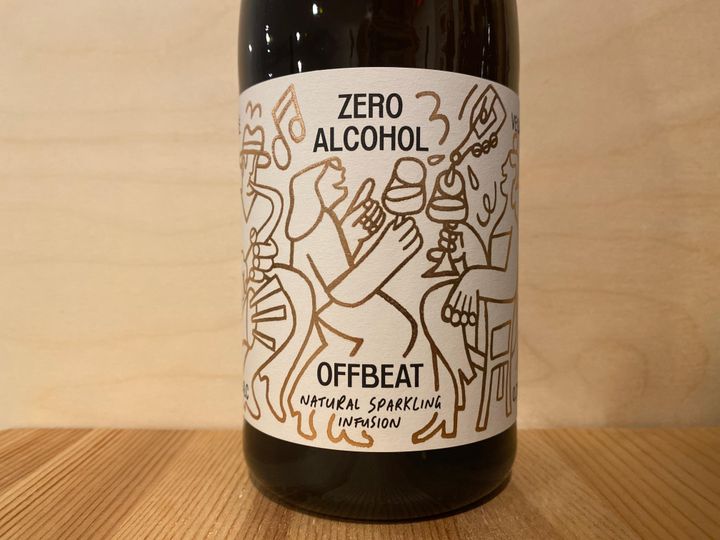
OFFBEAT Sparkling Rosé Zero Alcohol: Treviso, Italy
$15.00
Monthly Subscription Wines
The Tribe
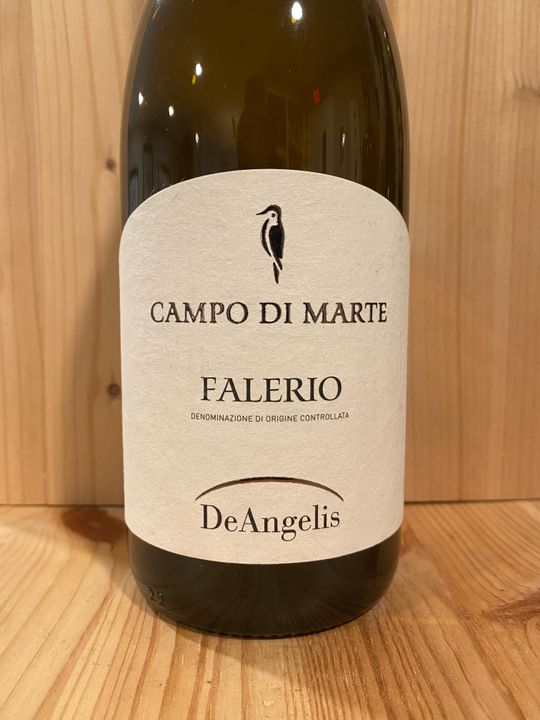
Tenuta DeAngelis "Campo di Marte" Falerio 2025: Marche, Italy
Grapes: Passerina/Trebbiano/Pecorino Region / History Notes: The Marche region of Italy is on the Eastern coast of Central Italy and is heavily influenced by the ocean, which provides a moderating effect to the climate, and lots of sea salt in the windy air! DeAngelis doesn’t make bad wine and all their wines are certified organic- such a tremendous value! Tasting Notes: This Falerio (name of the specific region and style) might be one of my favorite everyday wines. Trebbiano gives the back bone with apple and pear notes, but floral and melon flavors from the Passerina, and the lime zest and sea salt from the Pecorino add such lively components to the wine. Serve with any seafood, vegetarian dishes, salads, light appetizers or with Pecorino cheese! (sheep’s milk cheese from this area and tastes like the Pecorino grape with a sea salt finish!)$20.00Casa dos Amados "Terra" Branco Reserva 2024: Dão, Portugal
Grape: Encruzado Region/History Notes: If Touriga Nacional is one of Dão’s great red grapes, Encruzado is its white counterpart, a native variety prized for its ability to combine richness, freshness and serious aging potential. In the hands of Osvaldo Amado, one of our absolute favorite Portuguese winemakers, it gets a little extra texture without losing that freshness. This 100% Encruzado is gently pressed and fermented cool at 15°C, with a portion aged on fine lees in stainless steel and another portion in barrel for three months. Tasting Notes: Loads of wild yellow farm apples, nectarines, crunchy pears, yellow melon and even some wild yellow flowers and hay. This wine is like a liquid version of apple picking, with fields and mountains all around. More tropical fruit comes out as the wine opens. And while the wine has some richness, there is a distinct levity to the finish, keeping it distinctly vibrant. Pair with marinated pork tenderloin and let this be your apple chutney!$22.00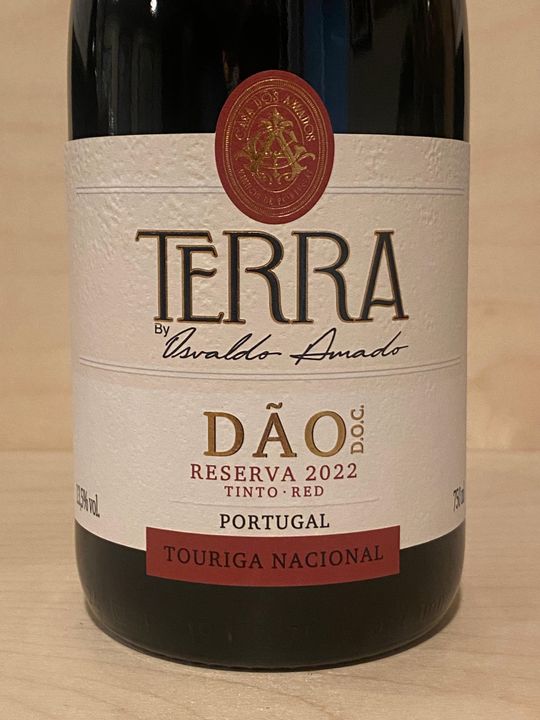
Casa dos Amados "Terra" Tinto Reserva 2024: Dão, Portugal
Grape: Touriga Nacional Region/History Notes: Osvaldo Amado is one of our favorite Portuguese winemakers and we never miss an opportunity to bring in his wines! With more than 30 years of winemaking experience, Osvaldo has become particularly known for championing Portugal’s native grape varieties. Touriga Nacional has deep roots in Dão, where it was historically a dominant variety and remains one of the region’s signature grapes. Tasting Notes: This wine jumps out of the glass with purple plums and currants, followed by a dance-off between crushed violets and cracked peppercorn. More delicate notes of dried strawberry and lingonberry emerge alongside savory leather and dried oregano as the wine opens. Medium-bodied, and I can’t decide whether it’s fruit-forward or savory-driven because it’s so much of both. One thing it is not is boring! A perfect wine to transition us into fall. This wine begs for crock-pot roast beef with savory mashed potatoes and gravy and roasted root veggies.$22.00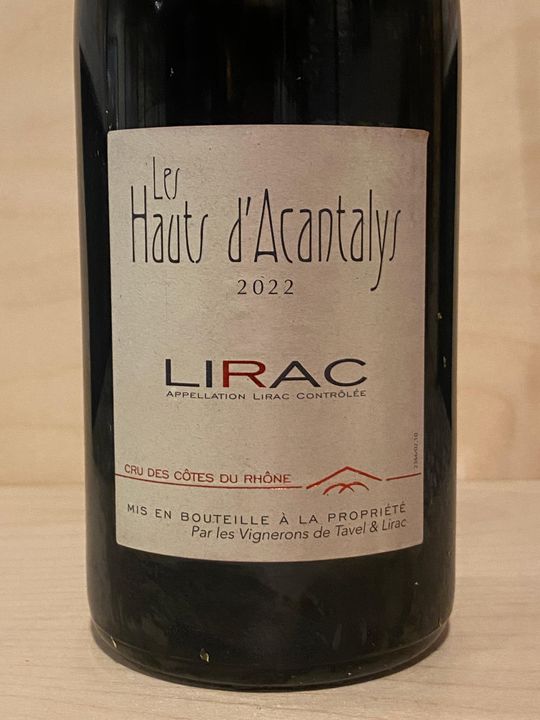
Vignerons de Tavel "Les Hauts d'Acantalys" 2022: Lirac, Rhône, France
Grape: Grenache/Syrah/Carginan/Mourvèdre Region/History Notes: Lirac sits directly across the Rhône River from Châteauneuf-du-Pape, but somehow still flies under the radar! It earned AOC status in 1947 and was the first Rhône appellation recognized for red, white AND rosé wines. Grenache, Syrah, Carignan and Mourvèdre grow in limestone and the region's famous rounded galets, then receive a long five-week maceration before barrel aging, adding to the bold structure. Tasting Notes: This wine is distinctly red-fruited and woodsy. Red currant and roasted strawberry mingle with rhubarb and loads of garrigue herbs like lavender, rosemary, thyme and oregano. Rich and fruit-forward through the mid-palate, but with more structure than your classic Côtes du Rhône and a slightly gravelly finish. This is the perfect wine to carry you into cooler fall nights around an evening fire pit. Pair with rosemary-coated Bellavitano cheese or a sausage and mushroom pizza with fontina.$21.00
Premier Cru
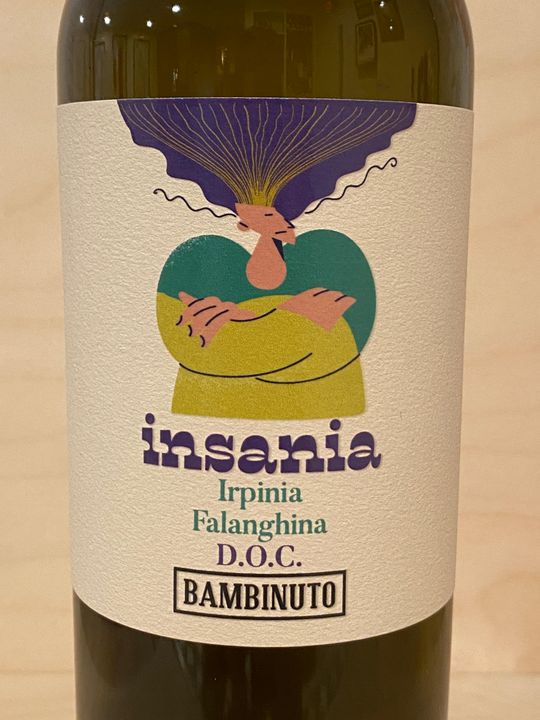
Cantina Bambinuto "Insania" Falanghina Irpinia 2025: Campania, Italy
Grape: Falanghina Region/History Notes: Campania, Italy is the southern state that is home to Naples and the infamous Mt. Vesuvius (thus the ashy volcanic soils). Falanghina is one of the local white varieties and is so delicious! It’s a little harder to find, so I get so excited when I get to drink some of this delightful white wine that’s classically unoaked, fragrant, and high in acidity. Tasting Notes: Forgive the pun, but it’s ‘insane’ how good this wine is! Served cold it’s flinty and floral, but as it warms up there’s a world of aromatics to discover ranging from cantaloupe and fuji apple to citrus blossom and bitter almond. The feminine vs. masculine tension on the palate makes each sip enticing, and the stony minerality shines through on the finish alongside a little spice. Pair with crab dip or white pizza!$29.00
Idlewild Bee Flora & Fauna White Wine 2023: North Coast, California
Grapes: Arneis/Muscat Canelli/Favorita/Erbaluce/Cortese Region/History Notes: Winemaker Sam Bilbro founded Idlewild in 2012 with an unusual idea: explore the grapes of northern Italy through the terroir of Northern California. This Piedmont-inspired white brings together Arneis, Muscat Canelli, Favorita, Erbaluce and Cortese from three organically farmed vineyards. At just 11.5% ABV, there’s remarkable complexity packed into a surprisingly light frame. Tasting Notes: There’s a perfect balance of florality, herbaceousness, fruit, structure, and minerality. Don’t serve this ice cold or you’ll miss half the fun! Let it warm up a little and discover nectarines, honeysuckle, jasmine, grilled peaches, flint and the freshest oregano you can imagine. The palate is delightfully round but finishes bright and clean. It’s hard to imagine this wine not pairing with a meal, but I’d steer you toward a BLT with avocado, maybe even some smoked salmon. Keep it simple and let the wine shine.$29.00
Tenuta Ponte La Loggia Aglianico 2025: Irpinia, Campania, Italy
Grape: Aglianico Region/History Notes: Campania is one of Italy’s oldest winemaking regions and home to around 100 native grape varieties, including Aglianico! This late-ripening red variety can retain high levels of acidity even in Campania’s warm, dry Mediterranean climate. Known for its power, structure, and firm tannins, Aglianico is most famously associated with the Taurasi DOCG, known for its bold reds. Within Campania, the Irpinia DOC overlaps with Taurasi, as well as the Fiano di Avellino and Greco di Tufo DOCGs. Tenuta Ponte’s “Loggia” comes from relatively young, 15-year-old vines and is aged in tank rather than oak, resulting in a fresher, more fruit-forward expression of Agliainco more common to Irpinia wines. Tasting Notes: Inviting aromas of juicy red and black plum, black pepper, and layered of savory leather, fresh tobacco, and cured meat. The tannins are present, but approachable. This is a drink-now Aglianico, perfect with Chicago-style Italian beef sandwiches!$30.00
Sutherland Pinot Noir 2023: Stellenbosch, South Africa
Grape: Pinot Noir Region/History Notes: When you think South African wine, bold Bordeaux varieties or the country’s famous Pinotage may come to mind. But head toward the Atlantic and the cool Elgin Valley tells a different story. Sutherland was created by the Webb family of Thelema to explore this cooler terroir, with vineyards just 9 km from the ocean. I first discovered this Pinot Noir while visiting Thelema in South Africa, and it has stuck with me ever since. Tasting Notes: Blind, this would take me much closer to Bourgogne Rouge than New World Pinot. It’s distinctly savory, with tobacco, black pepper and bay leaf wrapped around cherry pits, dried strawberries and wild brambly fruit. Then comes hella forest floor: mushrooms, moss and all! Complex, earthy and wildly expressive, this seriously punches above its price point. Pair with duck confit crostini or a big hunk of Gruyère.$28.00
Grand Cru
Ch. Graville Lacoste Graves Blanc 2024: Bordeaux, France
Grapes: Semillon/Sauvignon Blanc/Muscadelle Region/History Notes: Considered the birthplace of Bordeaux, the sub-region of Graves is known for its crowd-pleasing wines. White wines here are primarily based on Sauvignon Blanc and Sémillon, often with a bit of Muscadelle and/or Sauvignon Gris added to the blend. This one from Chateau Graville-Lacoste is 60% Sémillon, 35% Sauvignon Blanc and 5% Muscadelle. The Dubourdieu family acquired this estate in the 1930s after starting their wine empire in the late 1800s. The fifth generation runs the estate today, along with two other Châteaus. Tasting Notes: Sémillon adds body and peach notes, while Sauvignon Blanc brings lively citrus and tropical aromatics like grapefruit and gooseberry, along with plenty of acidity. The Muscadelle adds just a touch of white florals to this classic blend. Pair it with some fresh chèvre drizzled with honey on top of a baguette, or a simply roasted chicken.$36.00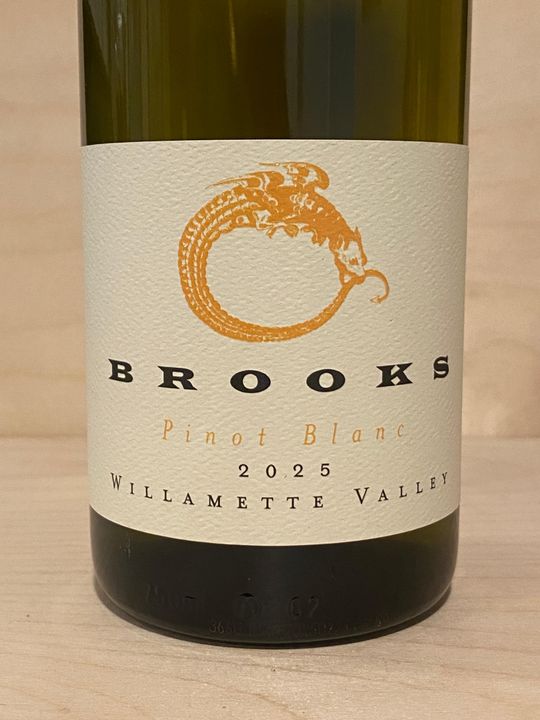
Brooks Pinot Blanc 2025: Willamette Valley, Oregon
Grape: Pinot Blanc Brooks Pinot Blanc reflects Willamette Valley’s cool climate and volcanic soils, delivering freshness, purity, and balance. Organic farming and stainless steel fermentation keep the wine bright and expressive. Aromas of pear, green apple, citrus blossom, and subtle nuttiness flow into a crisp palate with delicate stone fruit and refreshing acidity. Excellent with seafood, roasted veggies, creamy pastas, or grilled chicken.$39.00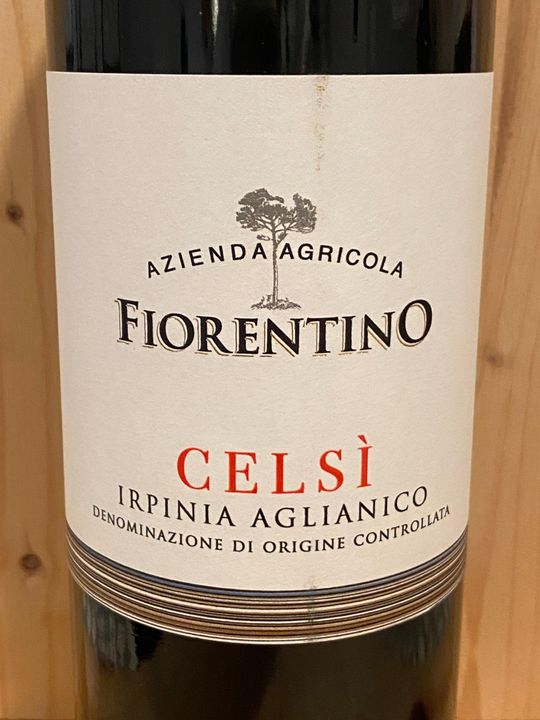
Fiorentino "Celsì" Aglianico 2019: Irpinia, Campania, Italy
Grape: Aglianico Region/History Notes: If you enjoy bigger, bolder reds, you need to try Aglianico! Next to Sangiovese and Nebbiolo, Aglianico is one of Italy’s most important red varietals. Thick-skinned and late-ripening, it loves the dry, sunny climate of southern Italy and the volcanic soils of Campania in particular, where it produces full-bodied and tannic wines that often need a few years to settle down before they’re ready to drink. This bottling from Fiorentino is very much true to Aglianico’s character, but made in a slightly more approachable style that I’ll be enjoying all fall and winter long! Tasting Notes: Rich and sultry, pops of red plum and roasted strawberry on the nose are joined by notes of fresh thyme, cigar box, and balsamic. The palate is assertive, with powerful tannins and more savory notes of tobacco alongside white pepper and a beautiful finish of dried lavender. Pair with roasted chicken in a creamy paprika sauce!$36.00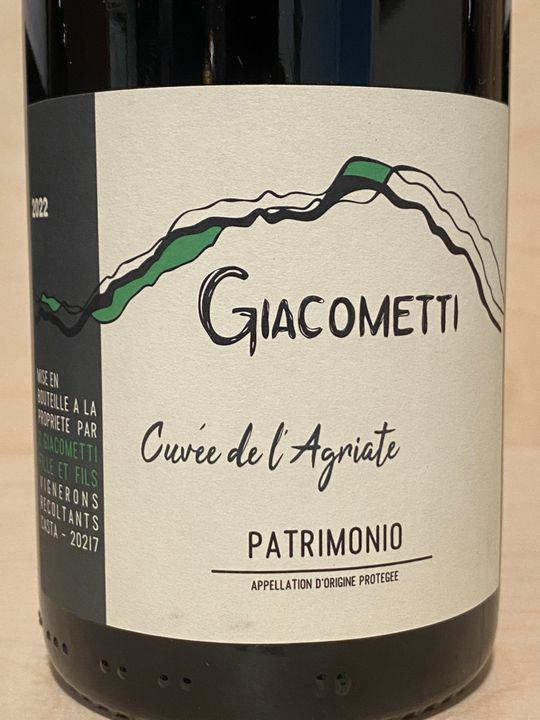
Dom. Giacometti Patrimonio Rouge "Cru des Agriate" 2022: Corsica, France
Grapes: Niellucciu/Grenache Region/History Notes: Domaine Giacometti sits in the wild, arid Agriates Desert of northern Corsica, just a few miles from the Mediterranean. The family took over the estate in 1987, and today siblings Sarah and Simon represent the third generation. While much of Patrimonio is known for limestone, Giacometti's vineyards sit on clay and granite, with cooling sea breezes helping temper the hot, dry landscape. The estate is certified organic, hand-harvests its fruit and ferments this cuvée with indigenous yeast before 10 months on fine lees in stainless steel. Tasting Notes: Quintessential fall! Dried leaves crunching under foot, harvesting apples and pumpkins, wood smoke, and cinnamon and nutmeg making their annual return to your kitchen. Light in body and concentration, but certainly not shy or soft, with brambly raspberries, cherry pits, woodsy notes and dried tobacco. Powdery tannins linger on the palate begging for a grilled cheese with tomato soup.$39.00
Reserve Tier
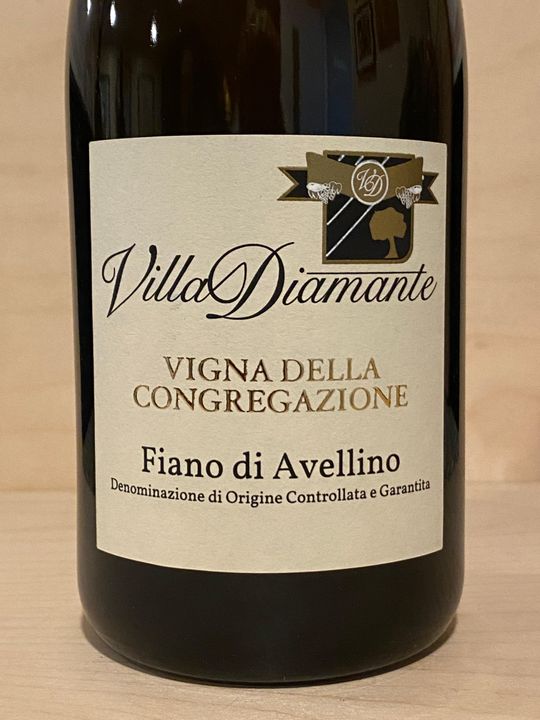
Villa Diamante “Vigna della Congregazione” Fiano di Avellino 2024: Campania, Italy
Grape: Fiano Region/History Notes: This single-parcel Fiano from Villa Diamante carries the Fiano di Avellino designation and is one of just four DOCGs in Campania. As a Riserva it must age for at least one year; Villa Diamante exceeds the requirement with 11 months of lees aging followed by another 8 months in bottle. The diurnal temperature shifts, high-elevation vineyards (1,400ft), and Mediterranean influences make for one of the most expressive Fianos that I have ever tasted! Tasting Notes: Intensely aromatic on the nose, with hints of peach pit, yellow apple skins, fennel bulb, and candied kiwi. This wine is so expressive and delightful. Distinct minerality carries through the finish, giving all those aromatics a beautifully savory edge. Pair with simply seared scallops and let the wine shine, but don't be afraid of bigger flavors. Baked goat cheese with roasted garlic and roasted red peppers would be divine!$58.00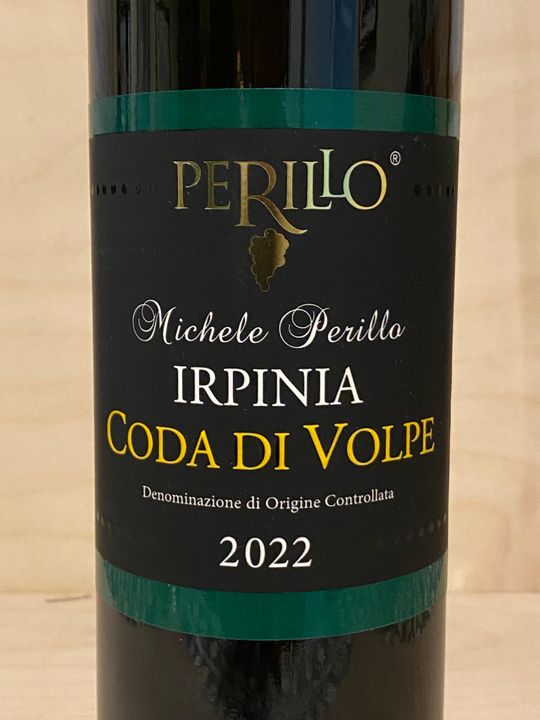
Perillo Coda di Volpe 2023: Campania, Italy
Grape: Coda di Volpe Region/History Notes: Coda di Volpe is already a rarity, but Perillo takes it to another level. Their tiny production comes from vines planted in 1930, grown high in the hills of Castelfranci. The wine spends around two years on its lees before release, allowing this often-overlooked native grape to show just how much complexity and longevity it can possess. Tasting Notes: Yuzu, cantaloupe, nectarine, and dried mango give this wine a distinctly orange-hued flavor profile. With several years of development, hints of nuttiness and a roundness on the finish showcase maturity, without the wine ever feeling old. Herbal characteristics of celery and coriander emerge as it opens, adding another dimension to all that ripe fruit. With so little Coda di Volpe produced in the world, and so few bottles of this particular wine made each year, it's such a treat to taste and experience. I'd love this alongside pork chop with caramelized onions and shaved fennel slaw.$60.00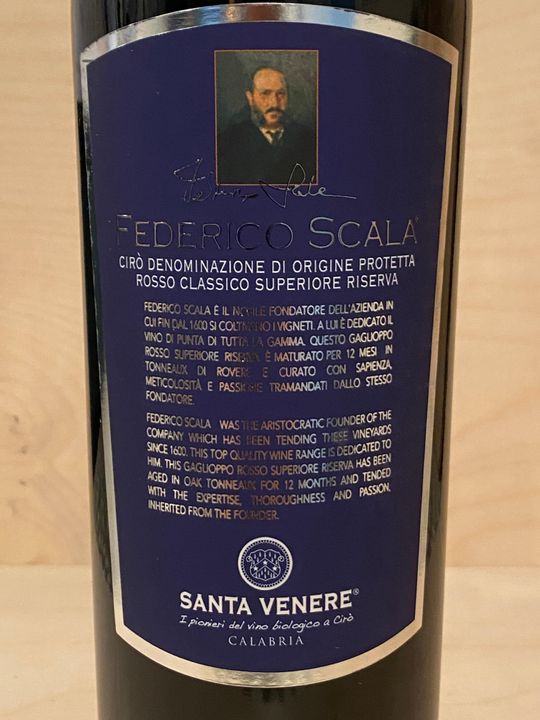
Santa Venere "Federico Scala" Rosso Riserva 2021: Calabria, Spain
Grape: Gaglioppo Region/History Notes: Welcome to Calabria, the toe of Italy’s boot and home to Gaglioppo (gah-YOP-po), a rare native grape that finds its stronghold in the ancient wine region of Cirò along the Ionian Sea. The Scala family has farmed this land for centuries, with Federico Scala transforming the estate into a winery in the 1960s. Named in his honor, this certified-organic Riserva is 100% Gaglioppo, aged 12 months in oak and another 6 months in bottle. Tasting Notes: Plums and pencil shavings! This wine is quite unique. Initially closed off and reserved upon opening, it reveals violets, black and white pepper, cassis and loads more of those purple plums with time in the glass. Medium-bodied but still quite robust, assertive tannins are surprisingly elegant in their integration and a finish that continually lingers. Try a pastrami Reuben for a killer high-low pairing. Or if you’re making an evening out of it, duck breast over mushroom risotto would be stunning.$55.00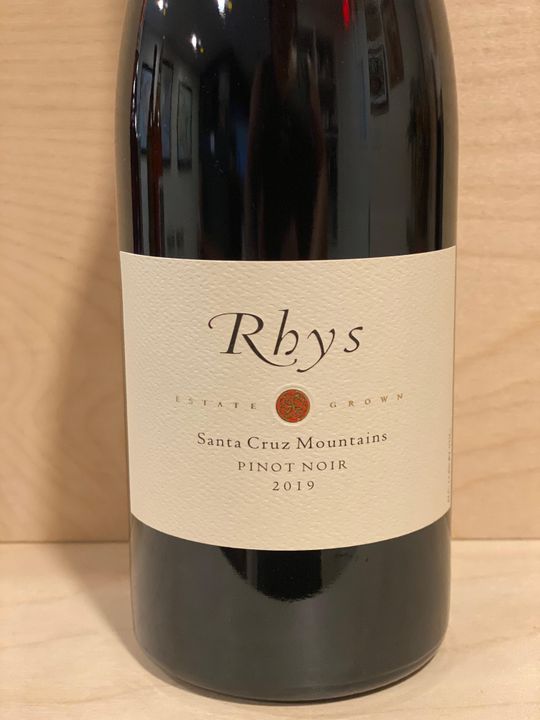
Rhys Santa Cruz Mountains Pinot Noir 2021: Santa Cruz, California
Grape: Pinot Noir Region/History Notes: Rhys’ high-elevation vineyards climb roughly 1,200–1,600 feet, where rocky soils, steep slopes and Pacific influence create a dramatically different environment for Pinot Noir. Founder Kevin Harvey began experimenting with Pinot here in the 1990s, eventually building Rhys around estate-grown Pinot Noir and Chardonnay and a belief that elevation, geology and site should drive the wines. Tasting Notes: This is a far cry from the concentrated, sometimes syrupy Pinot you can find in warmer parts of California. Red currant and roasted strawberry are joined by mushroom and forest floor, beginning to emerge beautifully with seven years of age. There’s an earthy, almost woodsy note, plus the faintest hint of cinnamon that plays beautifully against the fruit. Structured and vibrant with a long savory finish and polished, silky tannins, this is Pinot with plenty of life ahead. Pair with cedar-plank salmon for a match made in heaven.$58.00
Brut Brigade
Ultraviolet California Sparkling Rosé NV: Napa, California
Grape: Pinot Noir Samantha Sheehan has been named one of Food & Wine Magazine’s “15 Women to Watch in Wine” and for good reason! She is always going warp speed with her many projects—Ultraviolet, POE Wines, and Mommenpop Spirits—and she hits the spot with each and every one of her endeavors. There are only 2 wines under the Ultraviolet label: this sparkling rosé and a Cabernet Sauvignon. The sparkling rosé is made from 100% Pinot Noir grapes grown in high-elevation vineyards in Mendocino. She employs the Charmat Method to make this wine, where secondary fermentation happens in tank. The wine spends 8 weeks on the lees before transferring into individual bottles adding some depth and richness. Tasting Notes: I love the silky and playful bubble structure on this wine that makes the peach, apricot, and strawberry notes pop so delightfully on the palate. There are hints of sage and almonds on the finish, but it’s really all about the fruit and is way too easy to drink!$26.00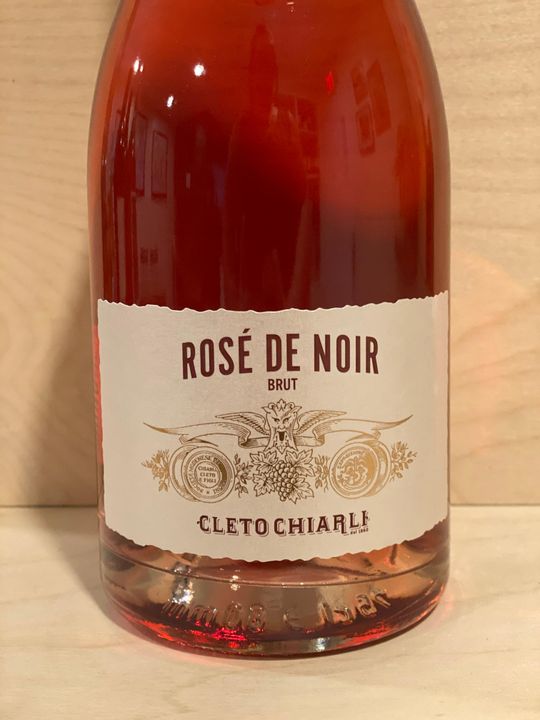
Cleto Chiarli Rosé de Noir Vino Spumante Brut NV: Italy
Grapes: Lambrusco Grasparossa/Pinot Noir Region/History Notes: Cleto Chiarli is the oldest winery in all of Emilia-Romagna and a true pioneer when it comes to Lambrusco. They were the first Lambrusco producer to use the mushroom cork to better preserve the wines lively bubbles, and the first to introduce autoclaves. These pressure-resistant tanks are key to the Charmat (tank) method of sparkling wine production, which highlights the aromatics of the grapes rather than the bready, autolytic character that come from lees aging in traditional-method sparkling wines. Tasting Notes: Beyond the gorgeous bright pink color is a fun wine fruity and floral aromatics of orange blossom and wild strawberries. The palate bursts with ripe, concentrated stone fruit, mango, and red berries. It’s fruit-forward, but the addition of high-acid Pinot Noir keeps it fresh and fun. Try this with a big salad loaded with fun toppings like mango, Gorgonzola, and walnuts.$26.00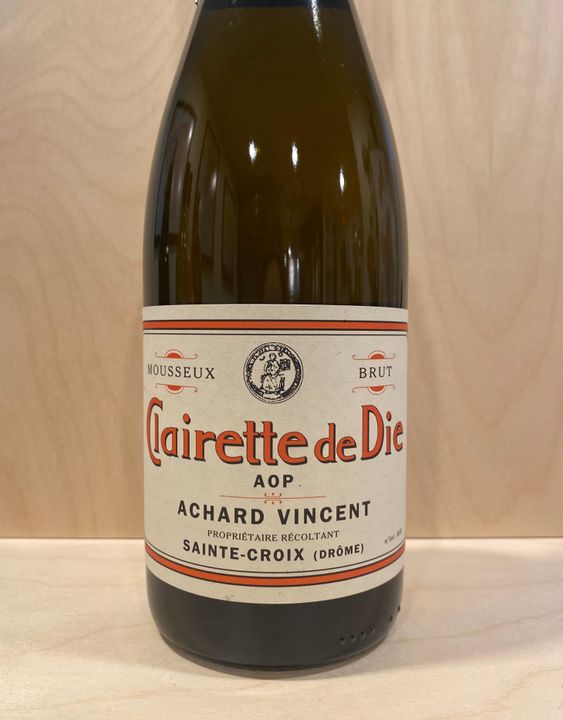
Dom. Achard-Vincent Clairette de Die Brut NV: Rhone Valley, France
Grape: Clairette Region/History Notes: Domaine Achard-Vincent is a sixth-generation, 11-hectare estate in the Southern Rhône Valley, along the Drôme River. The family has farmed organically since 1968 and earned Demeter biodynamic certification in 2009. While the region is known for semi-sweet sparkling wines made via the méthode Dioise ancestrale, this estate’s Clairette de Die is a 100% Brut made using the méthode traditionnelle—like Champagne. Tasting Notes: An intriguing nose of florals, citrus, and a fresh “grapey” note. On the palate: sweet almond cake with lemon icing and a hint of ginger. Perfect for brunch—expect compliments.$36.00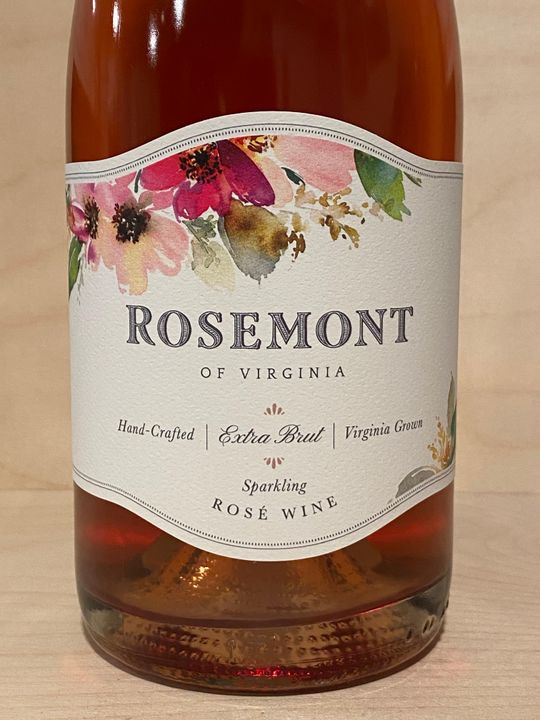
Rosemont Extra Brut Sparkling Rosé NV: La Crosse, Virginia
Grape: Chambourcin Region/History Notes: Chambourcin is one of Virginia’s most successful hybrid grapes, developed in France by breeder Joannes Seyve and commercially available since 1963. Rosemont practices whole-cluster pressing and uses only the free-run juice. After 8 months on light lees, a second fermentation happens in pressurized tank via Charmat Method. It’s bottled unfiltered with ZERO dosage: less than 1 g/L residual sugar. Tasting Notes: Tangy, citrusy and unapologetically dry! Think freeze-dried strawberries straight from a bowl of Special K, tart grapefruit and lemon, all carried by tiny, bright, lively bubbles. The finish is bone-dry and almost chalky, with a little lemon-meringue softness rounding out all that mouthwatering acidity. I want this with a salmon poke bowl piled high with avocado, sesame and, very importantly- those crispy fried onion crunchies!$27.00
Rosé Sampler
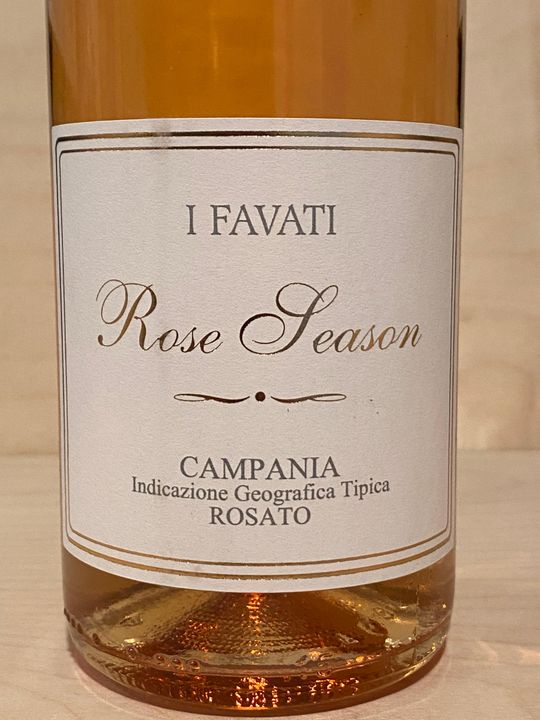
I Favati "Rose Season" Rosato 2024: Capania, Italy
Grape: Aglianico Region/History Notes: “Rosé Season” is made entirely from Aglianico grown in Montemarano, in the heart of Irpinia. Aglianico is normally a famously late-ripening red grape, but here the fruit is harvested early to create a rosato that maintains freshness while still showing the grape's naturally bold personality. At 14.5% ABV, this isn't trying to be a barely-there Provence-style rosé. It has serious substance! Tasting Notes: Classically herbaceous, richer, fuller-bodied, and more savory than your typical rosé, and I am here for it. Flinty, smoky vibes initially on the nose open into deep black cherry, blackberry, spice, and tri-colored peppercorn. Roasted nectarines and apricots emerge through the mid-palate, leading into a rich, sultry finish. This is the perfect rosé to carry you straight into fall and winter. Hello, Thanksgiving wine! Think butternut squash soup, roasted root veggies, mashed potatoes, or basically anything cozy and autumnal. You get the point!$38.00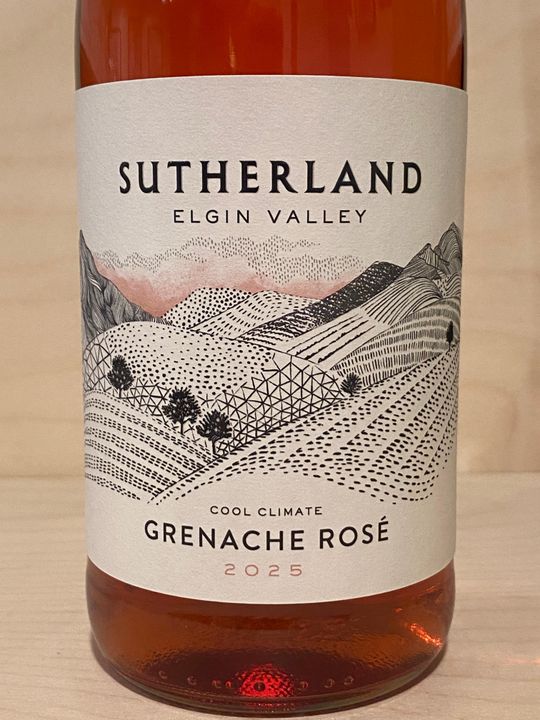
Sutherland Grenache Rosé 2025: Stellenbosch, South Africa
Grape: Grenache Region/History Notes: After establishing Thelema in Stellenbosch, Gyles Webb went searching for a cooler corner of the Cape and in 2002 found an apple orchard in Elgin, just 9 km from the Atlantic Ocean. Today it is home to Sutherland Vineyards, where the maritime climate provides a dramatically different growing environment. This rosé comes from vines planted in 2006 on ancient soils. An overnight maceration on the skins gives the wine a vibrant pink color that almost looks like cherry juice. Tasting Notes: Candied strawberry, crushed pink flowers, peaches and apricots radiate, followed by dried herbs and a tropical streak of dried plantain and mango. My mouth is watering just smelling it! Juicy and extremely fruit-forward, yet completely dry, with a savory herbal edge balancing all that exuberant fruit. Full-bodied and flavorful, this is the perfect rosé to transition into cooler months. Pair with sticky ribs or roasted butternut squash with fresh thyme and oregano.$20.00
Idlewild Flower Flora & Fauna Rosé 2025: North Coast, California
Grapes: Nebbiolo/Barbera/Dolcetto/Grignolino Region/History Notes: Idlewild has a pretty unique mission: take the native grapes of Piedmont and see what they can become in the rugged hills of Northern California. Winemaker Sam Bilbro works primarily with varieties like Nebbiolo, Barbera, Dolcetto, Arneis and Cortese, using minimalist winemaking to let California terroir speak through very Italian grapes. Fox Hill Vineyard in Mendocino, with rocky, elevated slopes and 20 to 30-year-old vines, forms the core of the Flora & Fauna blends. Tasting Notes: Savory at first, this rosé takes a little time for the fruit to open up. When it does, nectarine, peach and dried apricot take the spotlight. Dried herbs and flinty minerality add another savory dimension, with plenty of structure and bright acidity carrying the finish. Treat this more like a structured white wine when it comes to food. Serve alongside smoked turkey or a rosemary-rubbed pork tenderloin. And pile on the garlic!$28.00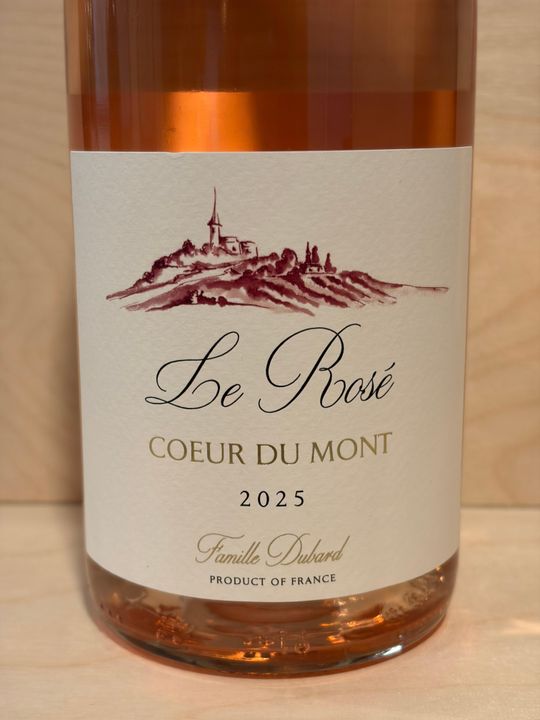
Famille Dubard Coeur du Mont "Le Rosé" 2025: France
Grapes: Cabernet Sauvignon/Merlot Region/History Notes: Created in 2009, the Vin de France classification gave French winemakers the freedom to focus on creativity and quality without the restrictive varietal, regional, or aging requirements of the AOC system. This blend of 70% Cabernet Sauvignon and 30% Merlot is fermented and aged entirely in stainless steel to preserve its freshness, vibrant fruit, and natural acidity. Tasting Notes: Light and delicate in color, this rosé offers ripe strawberries, red cherries, cream, and buttery biscuits reminiscent of classic strawberry shortcake. Bright acidity highlights fresh citrus, juicy yellow peaches, and just-picked strawberries. Though completely dry, it finishes with beautiful softness and subtle texture. Pair with a brunch board loaded with cheeses or a simple strawberry salad!$20.00
Gourmet
Pantry
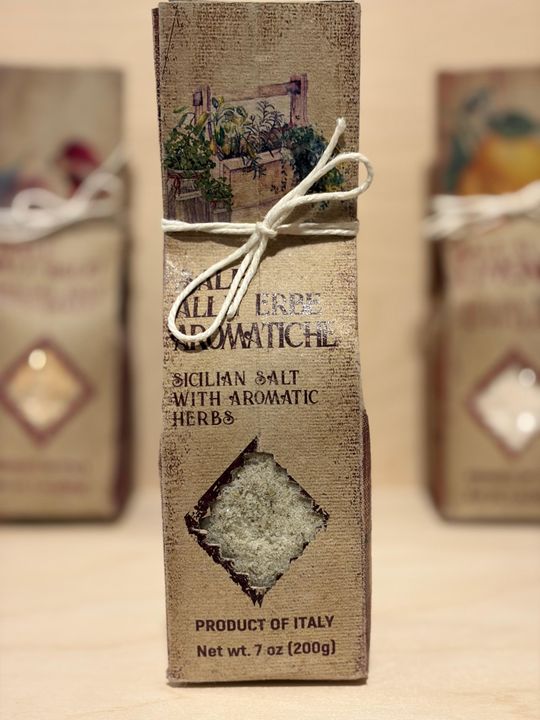
Artigiani dei Sapori Sicilian Sea Salt w/ Aromatic Herbs
$11.00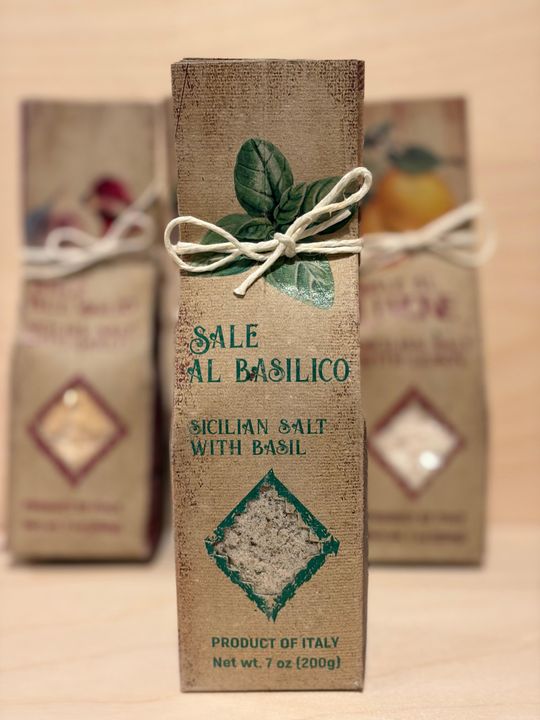
Artigiani dei Sapori Sicilian Sea Salt w/ Basil
$11.00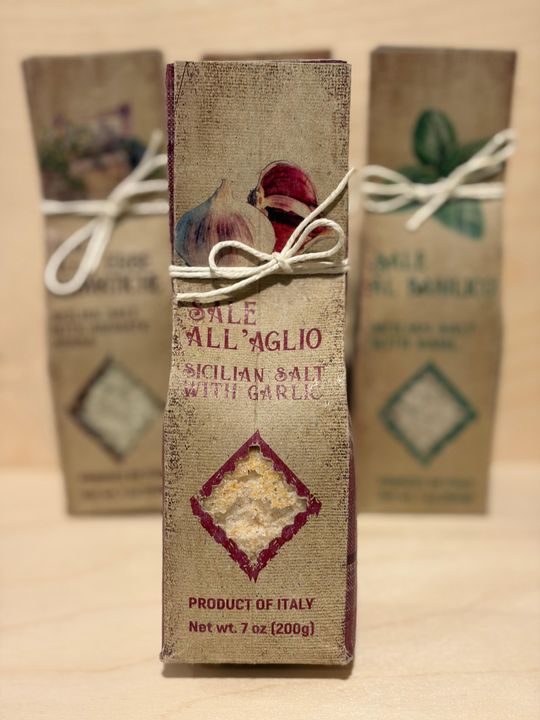
Artigiani dei Sapori Sicilian Sea Salt w/ Garlic
$11.00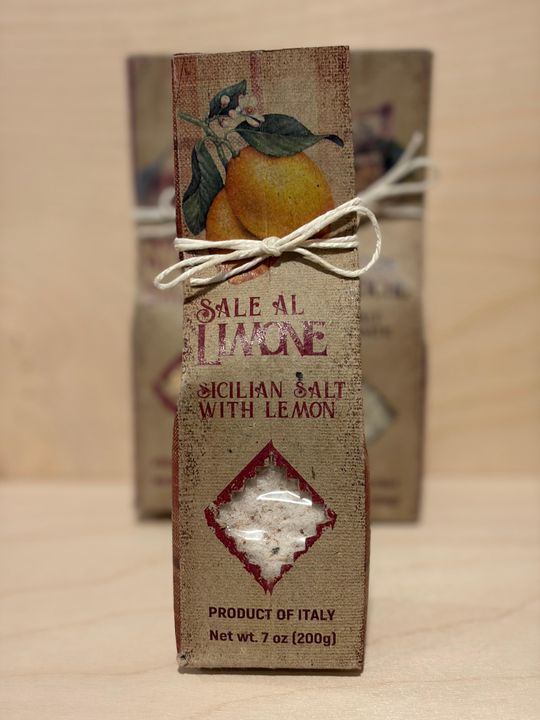
Artigiani dei Sapori Sicilian Sea Salt w/ Lemon
$11.00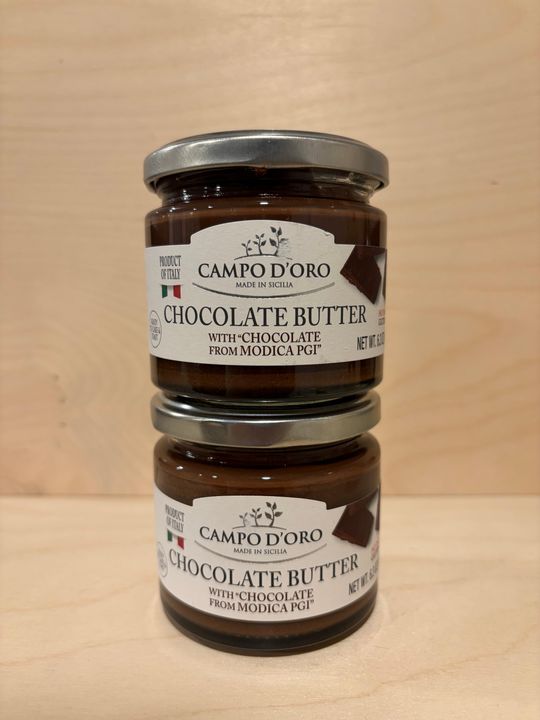
Campo D'Oro Chocolate Butter 6.3oz
$13.00
Campo D'Oro Eggplant Caponata 6.3oz
$13.00
Campo D'Oro Lemon Curd 13.8oz
$13.00
Campo D'Oro Pistachio Pesto 6.3oz
$13.00
Gourmet Line "Selection" Truffle Box w/ Recipes
$65.00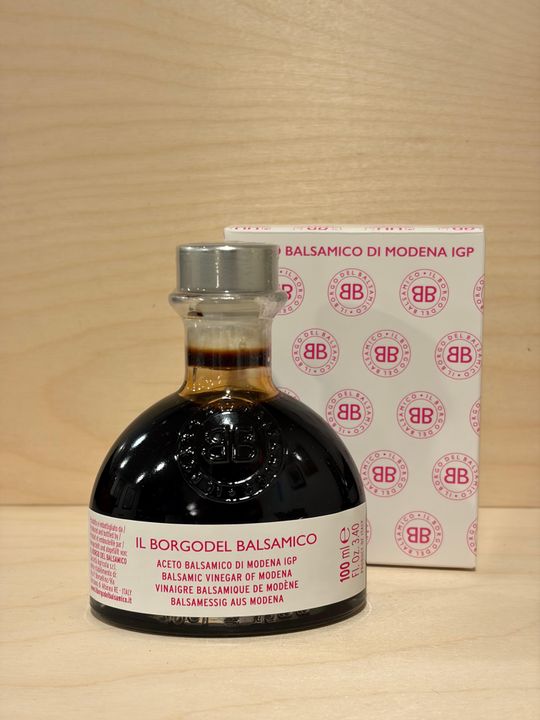
Il Bogro del Balsamico 3.3fl oz
$30.00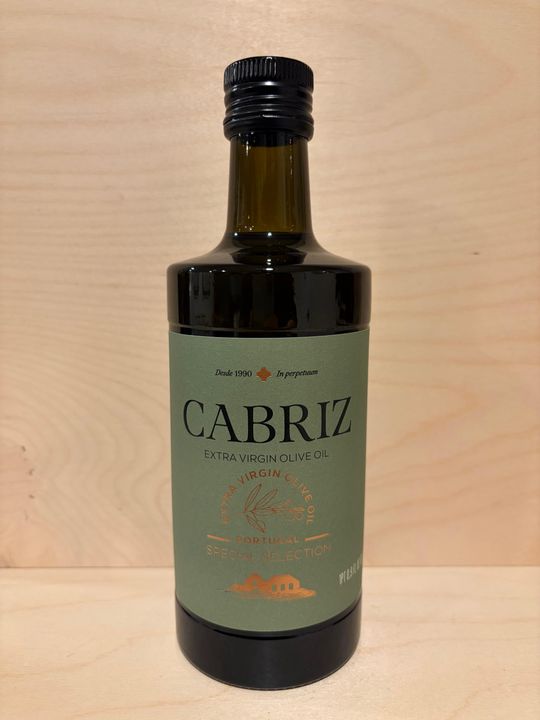
Quinta do Cabriz Extra Virgin Olive Oil
$25.00Ritrovo Selections Salt Stacks: 6 Mini Salt Jars
$33.00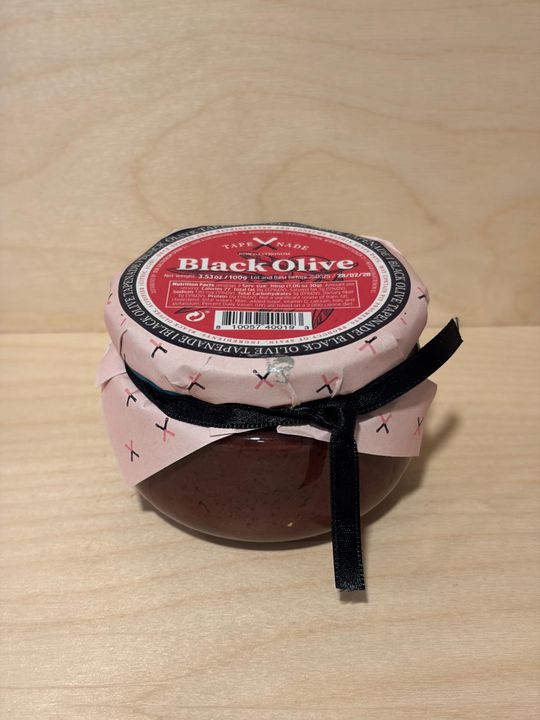
Don Gastronom Black Olive Tapenade
One of the most famous Mediterranean appetizers. It is used worldwide as a tapa, spread on toast, as a condiment for pasta and many meat dishes, and as a dressing for fresh salads.$8.00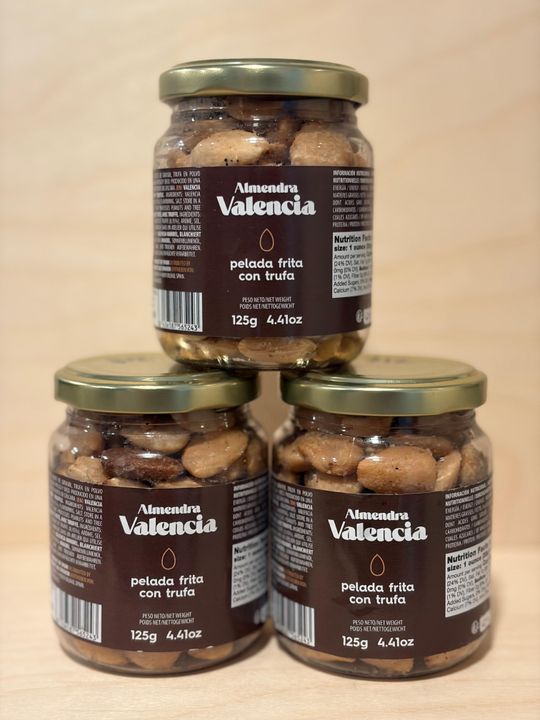
Don Gastonom Valencia Almonds w/ Truffle
Sourced only from the best and most authentic varieties from Spain: Valencia and Marcona. Valencia almonds offer a crunchy texture and exquisite aroma and flavor. Blanched and fried with the precise touch of salt and olive oil, and for an extra creative twist, these are enhanced with Truffle.$9.00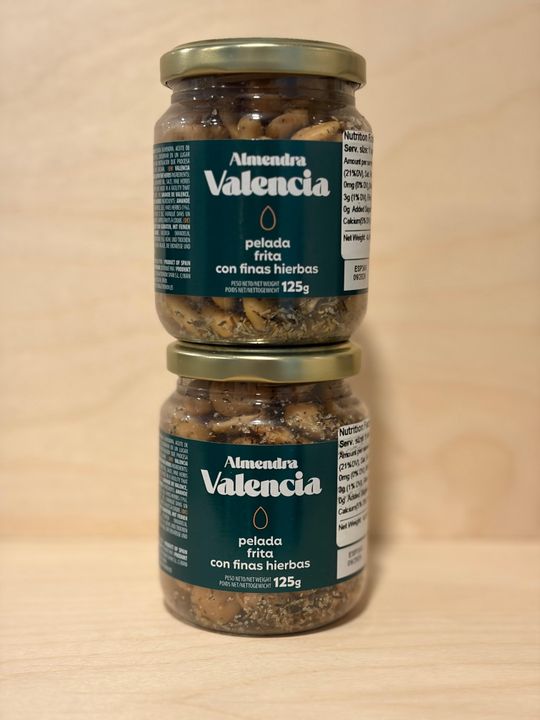
Don Gastrónomo Valencia Almonds w/ Fine Herbs
$9.00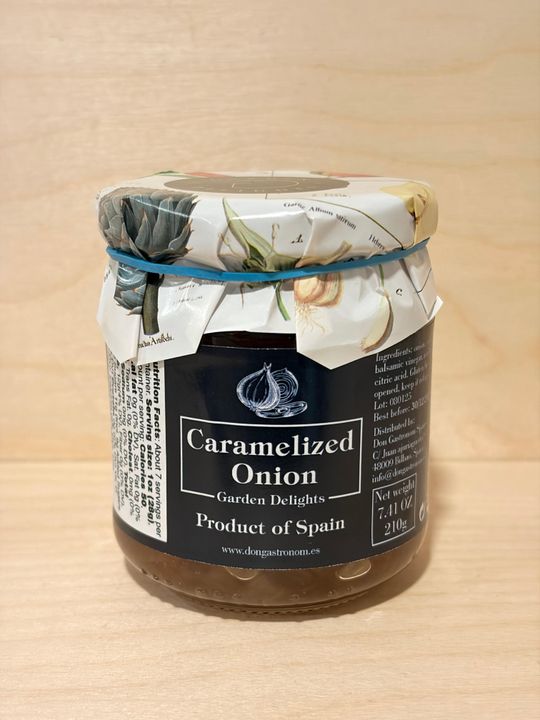
Garden Delights Caramelized Onion Jam
Thin strips of onions slow-cooked with a hint of caramel, providing an irresistible sweet and sour flavor. Balsamic vinegar adds an acidic touch that complements the overall sweetness. A delicious addition to any dish and an addiction for anyone.$10.00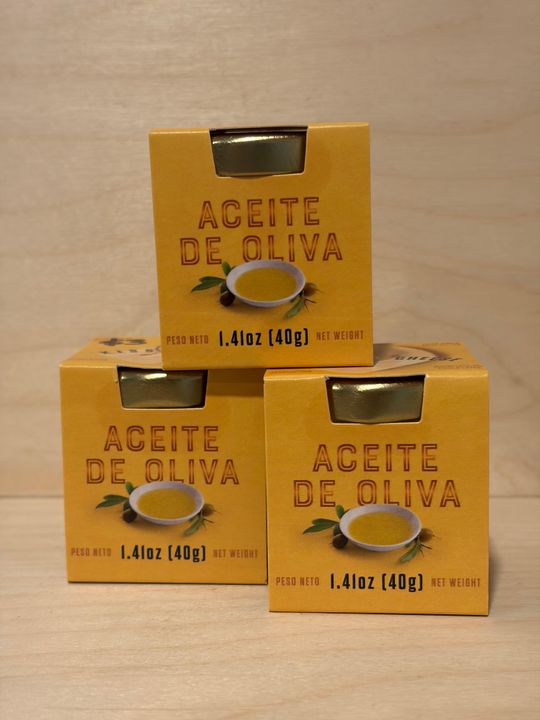
Kiss the Cheese: Extra Virgin Olive Oil Jam
To pair with all kinds of cheeses, especially hard paste like Manchego, Comté, Parmesano, Idiazabal, Gouda, Gruyère.$3.00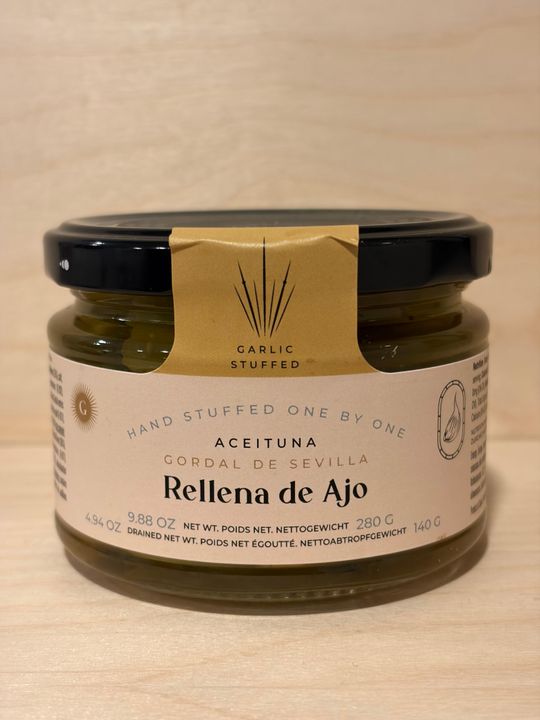
Trina Olivas: Gordal Olives from Seville w/ Garlic
Perfect for snacking, appetizers and as a tapa itself. Internationally known as Queen olives. They are highly appreciated for being juicy and extremely tasty.$11.00
Trina Olivas: Manzanilla Olives w/ Almonds
Perfect for snacking, appetizers and as a tapa itself. Pleasantly bitter with almond notes and a firm texture. They are rated worldwide as the finest gourmet table olives.$11.00
Trina Olivas: Pitted Kalamata Olives
$10.00
Gift Items

Bumper Sticker
$5.00
Vino Culture Sticker
$3.00
Glass Charms- Numbers
$8.00
Glass Charms- cork
$12.00
Polishing Cloth
$15.00
RiedelDecanter
$30.00
Cheese Knife Set
$15.00
Wine Away
$12.00Gift Bags
$3.00
Silver Vino Culture "Be a Wine Nerd" Wine Key
$12.00
Mirage Vino Culture "Be a Wine Nerd" Wine Key
$19.00
"Love you, Mom" Gift Basket
Your mom deserves some wine & chocolate! Gift basket includes sommelier-curated items arranged in a wooden wine box with a top. Box will be wrapped in cellophane with a burlap bow and a personalized, handwritten card with whatever you'd like to say! 3 bottles of wine with prices removed on review tag... ~Mary Taylor Touraine Rosé, France ~Jansz Premium Sparkling Rosé in a gift box, Australia ~Beatrice Nero d'Avola Red Wine, Italy Plus the following items... ~Specialty Portuguese Olive Oil ~Specialty honey or jam ~Italian sea salt with herbs ~6 individually wrapped chocolates ~Red wine stain remover wipes Free local delivery Friday & Saturday$140.00
All hours
| Sunday | 12:00 pm - 5:00 pm |
| Monday | Closed |
| Tuesday | 11:00 am - 7:00 pm |
| Wednesday | 11:00 am - 7:00 pm |
| Thursday | 11:00 am - 7:00 pm |
| Friday | 11:00 am - 8:00 pm |
| Saturday | 11:00 am - 8:00 pm |
Restaurant info
Boutique Wine Shop with sommelier-curated retail selections, local delivery, educational classes, tastings, and events! For online ordering, all orders will need to be confirmed to schedule a delivery date. Please reach out if you have any questions! WineSales@VinoCultureVA.com 757-904-1220
Location
130 Granby St, Suite 100, Norfolk, VA 23510